
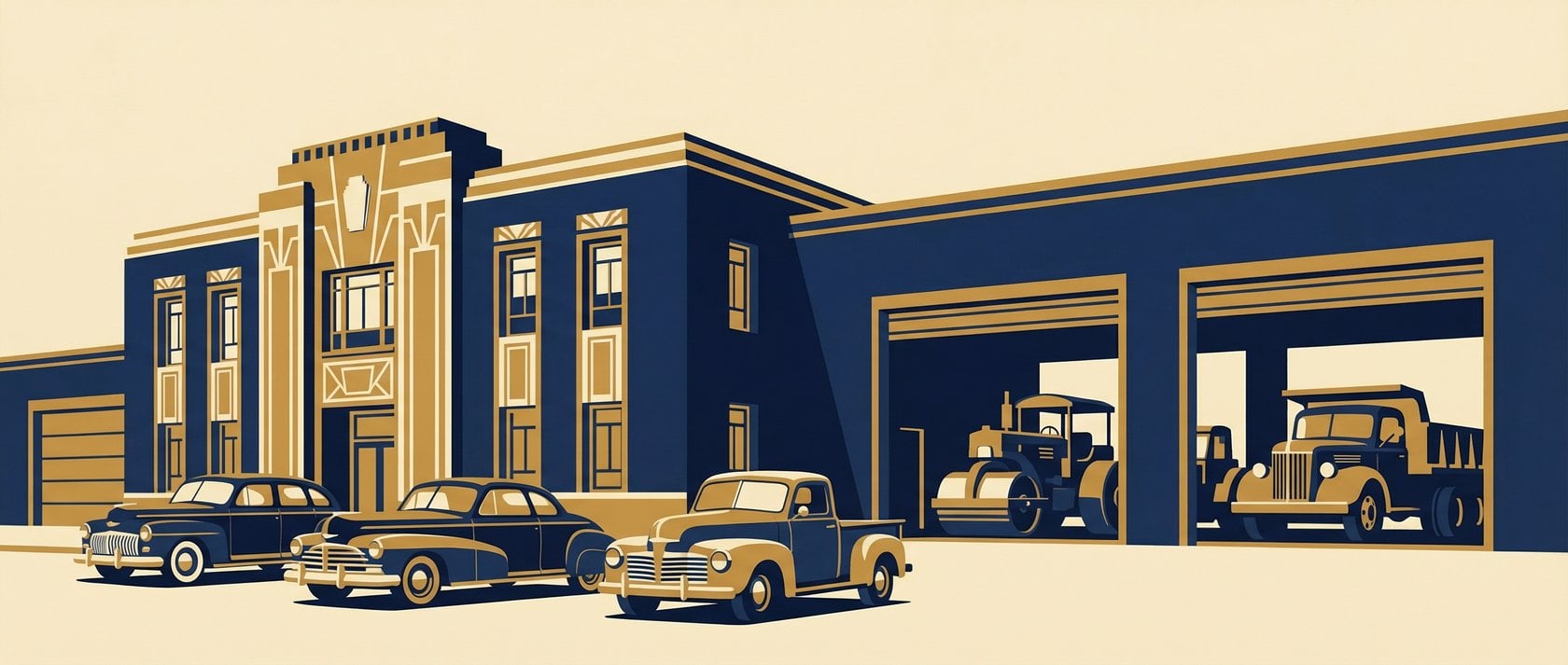

This property has a documented history as a public works and maintenance facility going back to 1908. Historical insurance policies issued during operations at this property and through 1986 could fund a cleanup.
This property has a documented history of railroad operations extending to at least 1908, when a trestle bridge was constructed on or adjacent to the site; warehouse structures associated with those railroad activities date to the 1940s and 1970s. Contamination — petroleum hydrocarbons, polycyclic aromatic hydrocarbons (PAHs), arsenic, lead, and creosote components — is attributed to decades of railroad maintenance and repair activities conducted at the facility. Excavation of contaminated materials occurred as part of construction work in 2016, and the site remains under active operation, maintenance, and monitoring. That history could support an insurance cost recovery claim against carriers who issued insurance policies 40+ years ago.
Why Historical Insurance Policies May Be Accessible
Pre-1986 Commercial General Liability (CGL) policies were occurrence-based and did not contain an effective pollution exclusion in Washington. If contamination occurred while those policies were active, those historical insurance carriers may still have a legal obligation to fund the cleanup costs, even if the business closed or the property changed hands.
The creosote, PAHs, petroleum hydrocarbons, and heavy metals found at this property trace to railroad operations that began more than seven decades before 1986, when occurrence-based Commercial General Liability policies carried no effective pollution exclusion. The site is formally classified as Awaiting Cleanup, meaning the primary remediation costs are still ahead. Historical carriers who issued CGL policies to operators of this facility during its pre-1986 decades of railroad use may be obligated to fund those upcoming cleanup expenditures.
Restorical's role is to locate viable historical policies, determine whether a successful coverage claim is possible, and assist our clients and their legal counsel to obtain insurance coverage. Restorical then manages the claim, including accounting, to ensure the cleanup is funded in a timely manner.
What We Look For
- Historical insurance policies (pre-1986)
- Policy numbers, carrier names, and coverage periods
- Connection between contamination timing and policy period
- Evidence linking cleanup obligation to insured activity
What We Deliver
- Historical Coverage Chart
- Trigger Analysis & Property/Policy Nexus
- Coverage strategy with recommendations
- Insurance funding for your remediation
- Claims Management & Forensic Accounting
The Restorical Proven Process
Ready to learn more?
Contact UsThis analysis is preliminary and based on publicly available records. Restorical Research is not a law firm and does not provide legal advice.