
PFAS Cleanup Funding
Don’t let “forever chemicals” drain your current capital. Restorical Research uncovers historical pre-1986 insurance assets to pay for PFAS cleanup, site investigations, and legal defense.
Find Your Policy

The PFAS Remediation Crisis
Per- and polyfluoroalkyl substances (PFAS) are commonly known as “forever chemicals” due to their persistent nature. They were created in the 1930s and used in everything from household products to industrial manufacturing.
By the 1970s, doctors found proof that PFAS were entering the human bloodstream. By the 1990s, it was clear that the general public was widely exposed. Because these chemicals are unhealthy and stay in the body for years, the EPA began working with large companies in the early 2000s to phase out a few specific types of PFAS. However, many other types are still made and used today.
Under current EPA rules, you can be held “strictly liable” for legacy PFAS cleanup if it’s found on your property. This means you may have to pay for the remediation even if you did not cause the pollution or know it was there when you bought the property. For many property owners who discover PFAS, the cost to test and treat this contamination is a major financial burden.
Funding Your PFAS Cleanup
The cost of PFAS remediation can be catastrophic, easily exceeding a company’s available financial reserves. Restorical Research helps you find the money to pay for these massive projects. You do not have to use your company’s cash flow to cover a multi-million dollar liability.
In environmental claims, insurance coverage is typically triggered by when contamination occurred, not when it was discovered or when regulators later required cleanup. Many PFAS releases took place before pollution exclusions were added to standard general liability policies. As a result, policies issued in the 1960s, 70s, and early 80s may still provide coverage for PFAS contamination identified years later.
We use insurance archaeology to locate and reconstruct those historical policies and pursue the coverage tied to those periods— turning decades-old insurance assets into a financial lifeline that prevents someone else’s contamination from dictating your company’s financial future.

How We Secure Your PFAS Cleanup Funding
Finding lost insurance policies: We search for old insurance records from decades ago that your business can use to pay for today’s PFAS cleanup and testing.
Analyzing your coverage: Our team reviews every detail of your old policies to see exactly how much money is available to help with your specific PFAS problem.
Expert strategy & advice: We use our massive database of past claims to create a plan to get you funded without having to go to court, working directly with your lawyers to ensure your case for funding is as strong as possible.
Managing your claim: Once the insurance money is approved, we stay by your side to ensure your bills are paid on time, and the work keeps moving forward.
Forensic accounting: Our in-house accounting team tracks every invoice and payment to keep the insurance companies accountable, working with your bookkeeper or CFO in real time, so you always know your project is fully funded.
Businesses We Work With
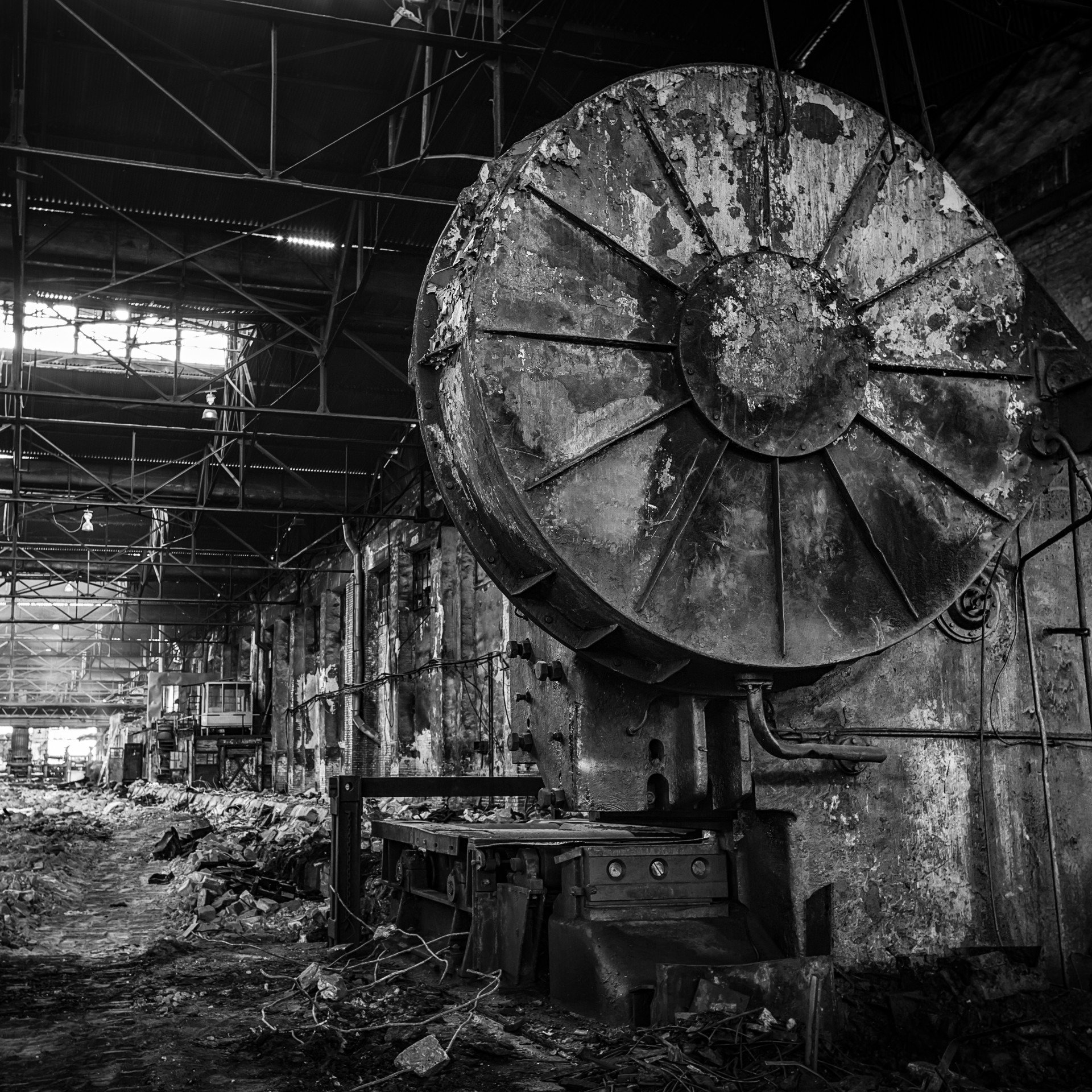
Industrial & Manufacturing
Factories used water- and heat-resistant PFAS for decades to make products. Historic disposal practices, floor drain discharges, and wastewater releases can now trigger costly site investigations and long-term remediation obligations.
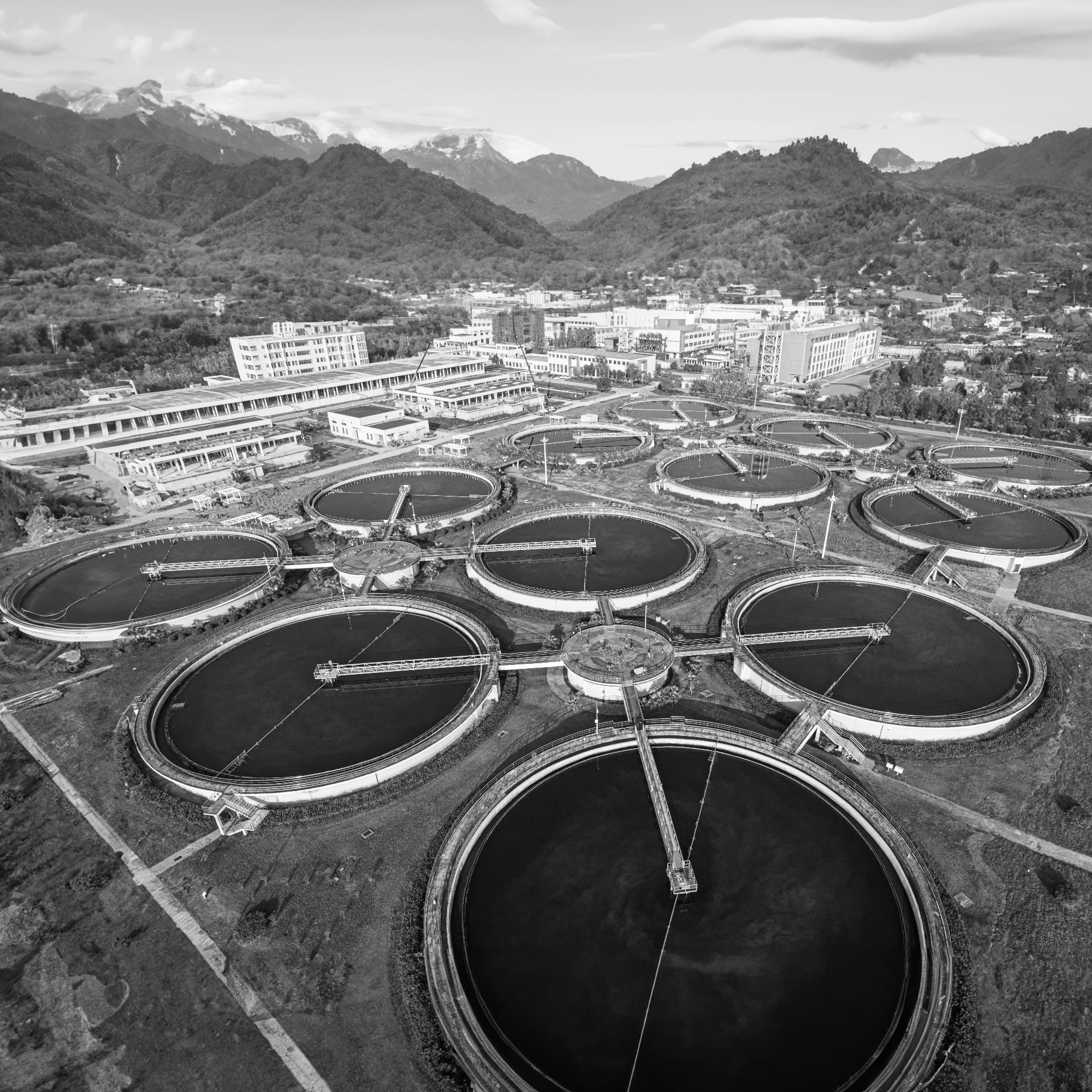
Water & Wastewater Utilities
Enforceable limits have been established for certain PFAS compounds in drinking water systems. Treatment upgrades, filtration media replacement, and long-term monitoring requirements can create significant burdens for both public and private utilities.

Auto Body & Car Dealerships
PFAS were used in chrome plating and seat coatings for years. Residual contamination in soil, wash bays, or drainage systems can surface decades later during property transactions or redevelopment.

Landfills
The EPA is focused on landfills because PFAS from decades of waste can leak into the groundwater. Leachate management, groundwater monitoring, and treatment upgrades can quickly escalate into multi-million dollar capital projects.

Dry Cleaners
Many dry cleaners used stain-resistant chemicals that contained “forever chemicals.” For a small business, a cleanup order can be a business-ending event. Testing requirements alone can disrupt operations and threaten the long-term viability of family-owned facilities.
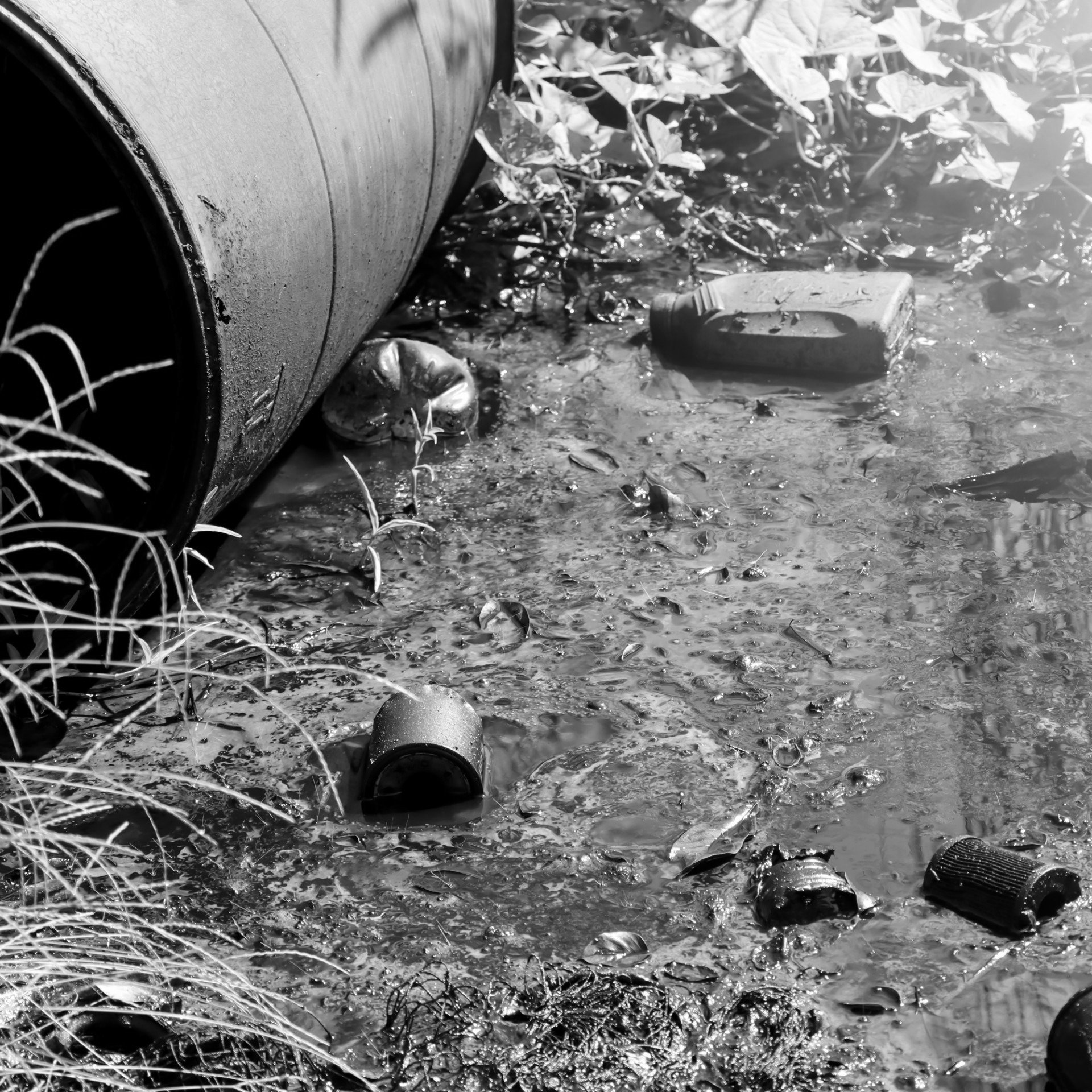
Bulk Plant Facilities
Fuel depots and bulk plants often have contamination from fire drills or old spills. Historical use of AFFF and other suppression systems can create complex soil and groundwater issues that require extensive corrective action.
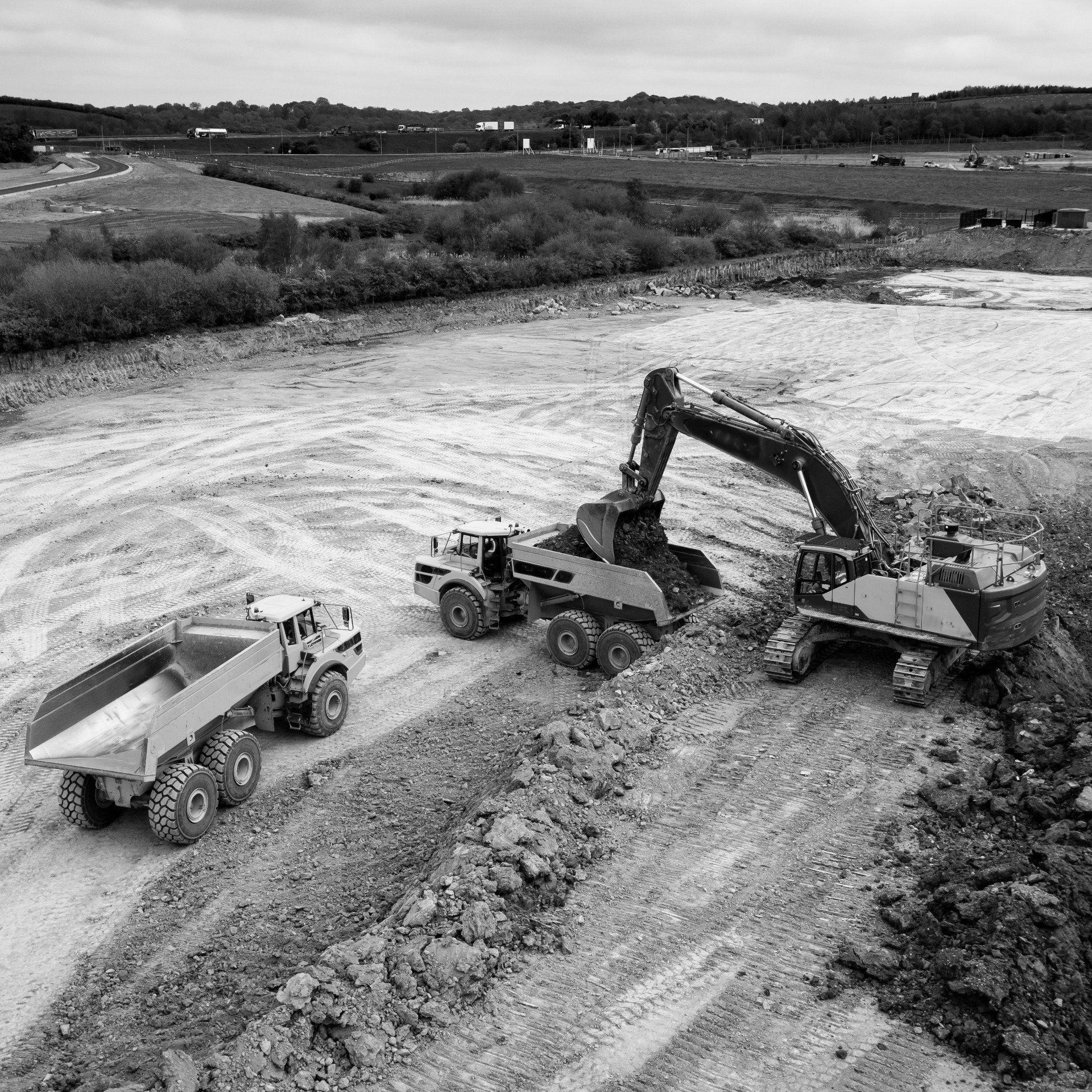
Brownfields & Redevelopment
Buying or selling land with PFAS can stop a deal in its tracks. Environmental due diligence findings can delay financing, reduce property value, or shift unexpected cleanup responsibility to the current owner.
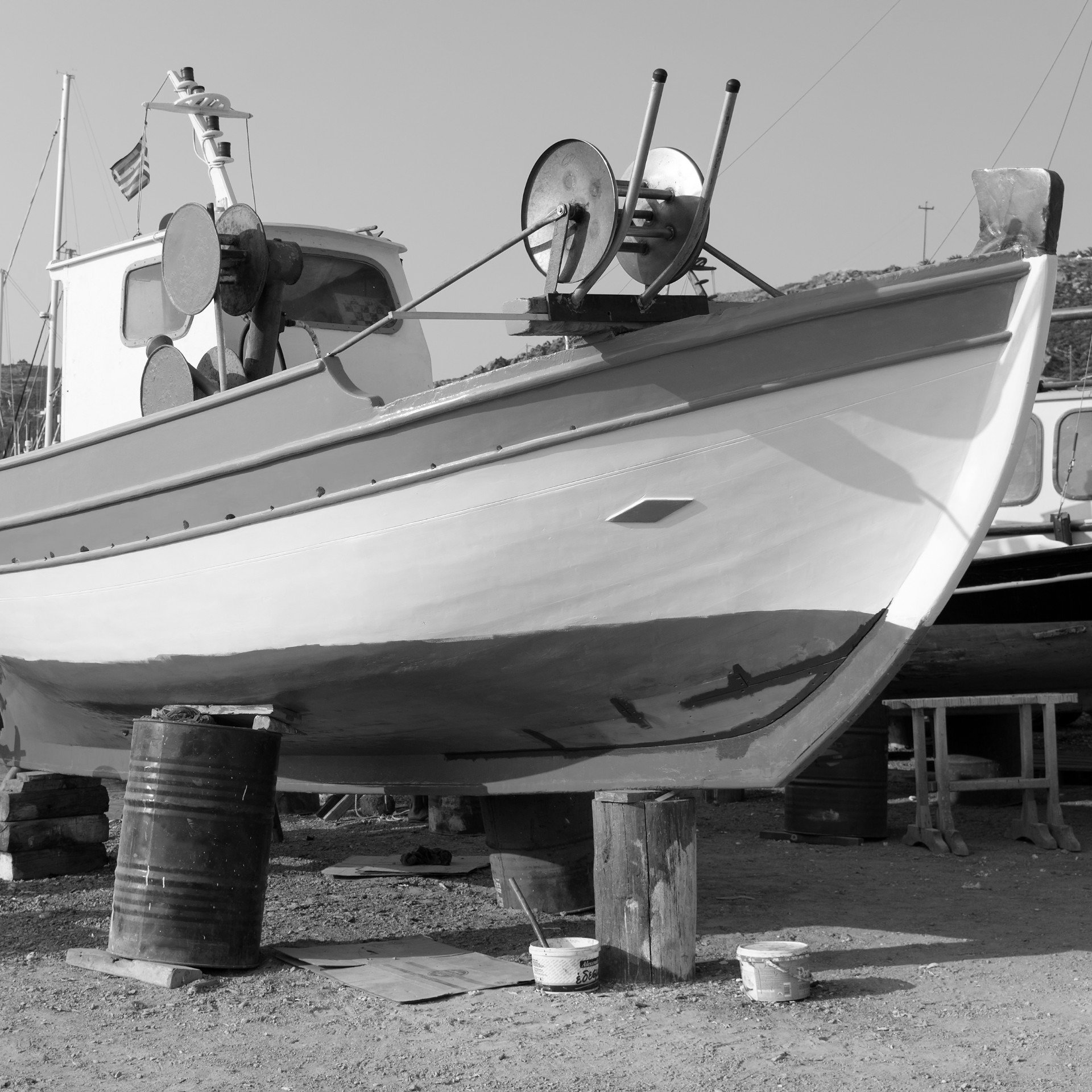
Waterfront & Maritime
Shipyards and ports used specialized coatings and foams that often lead to water contamination. Sediment impacts and shoreline migration can expand the scope of remediation beyond the original source area.

Airports & Fire Training
Certain aqueous film-forming foams (AFFF) historically used for fuel fire suppression contained PFAS and have been a major source of contamination. Training areas, hangars, and stormwater systems often require extensive investigation and long-term treatment when PFAS-containing foams were used.
Case Studies
See how we turn “lost” insurance policies into millions of dollars for PFAS remediation. These case studies show how our proven insurance archaeology process secures the funding needed to pay for expensive testing and cleanup projects.

Frequently Asked Questions
Under a federal law called Superfund (CERCLA), the EPA follows a rule known as “strict liability”. This means you are responsible for the cleanup just because you currently own the property, regardless of whether you were negligent or if the pollution happened decades before you bought the land. Because this liability is “retroactive,” you can be forced to pay for government cleanup costs and natural resource damages caused by past owners.
Most modern insurance policies include “pollution exclusions” that prevent them from paying for chemical cleanups. However, the policies you owned between the 1950s and 1990s usually do not have these exclusions, which is why they are the best source of funding today.
You do not need to have the physical documents in your possession to start the process. We use our Proven Process, and specimen policy database, to find and rebuild your old policies using public records and industry databases.
In most cases, no, our goal is to secure funding through a “no-litigation” approach. We present the evidence of your old coverage and the legal proof of the claim, so the insurance company agrees to pay for the work without a long and expensive court battle.
Historical funds can be used to pay for everything from the initial soil and water testing to the long-term cost of high-tech water treatment systems. It also covers the legal fees and forensic accounting required to manage the project.
We work to make this process accessible for business owners facing catastrophic liabilities. Contact us for a consultation so we can review your site history and explain how our fee structure works to protect your company’s cash flow.
Years in Business
Allows us to be the leading insurance archaeology and claims management firm in the country
Million Recovered
We uncover hidden assets for our clients, and we excel at obtaining coverage for their environmental liabilities
Policyholder Clients Served
We only work for policyholders and property owners and do not offer our services to insurance companies
Historical Policy Database
Restorical has been collecting, analyzing, and cataloging historical insurance policies spanning the 1950s-1990s.
Our proprietary database with carrier-specific detail is leveraged for our clients on a daily basis