
Residential
We help homeowners fund cleanup of heating oil tank contamination, or pollution migrated from a neighboring property, using historical liability policies, such as homeowners policies, that may still provide coverage.

Why Residential Properties Need Insurance Archaeology Services
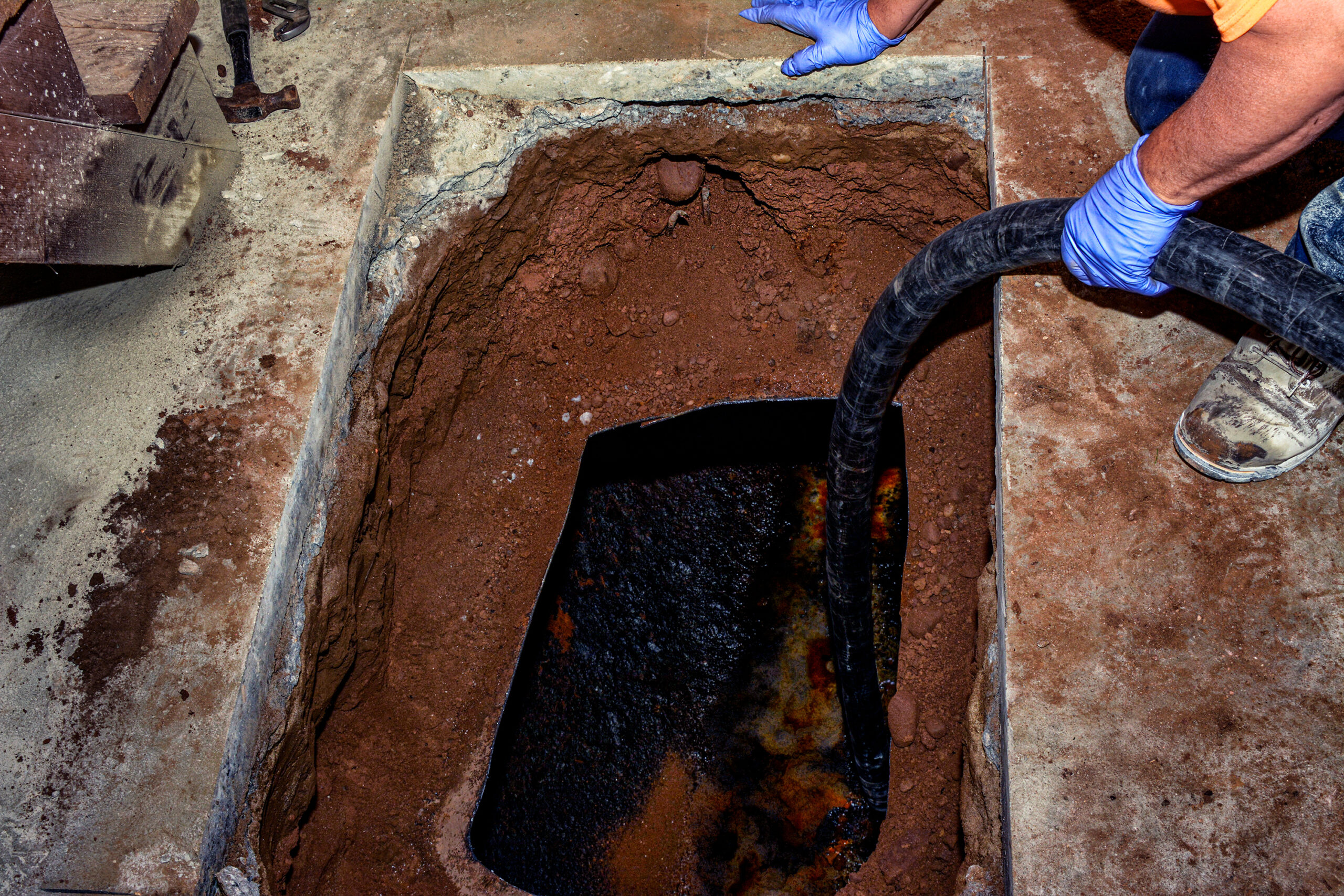
For much of the twentieth century, many homes were heated using fuel stored in underground storage tanks (USTs) installed close to the house to minimize piping distance. Some of these tanks were decommissioned and left buried in place when homes switched to electric or gas heat, while others are still in active use today. Either way, these tanks have the potential to leak and become a source of soil and groundwater pollution, sometimes affecting neighboring properties long after the original heating system was decommissioned.
“Homeowners’ insurance policies, which function as a type of General Liability coverage, may respond to environmental claims tied to a historical release, even decades after the fact.”
Both types of exposure intersect with insurance archaeology in the same way. Homeowners’ insurance policies function as a type of General Liability coverage. Before insurers began routinely excluding pollution from these policies in the mid-1980s, a homeowner’s policy, or the General Liability policy held by a neighboring commercial property, may still respond to a claim tied to a historical release. If pollution from an old heating oil tank or a neighboring property affected soil or groundwater years or decades ago, a claim may be filed against whichever policy was in effect at the time of that release, not the homeowner’s current policy.

How We Can Help
Whether the source is a forgotten heating oil tank or contamination that migrated from a neighboring property, environmental liability can be a significant and unexpected burden for a homeowner. From initial assessment through claim resolution, our process identifies and activates historical insurance assets that may fund the cleanup process:
Find Your Policy1.
Using our proprietary database, we identify and analyze historical homeowners’ and General Liability policies, including those held by past owners or neighboring commercial properties, that were in effect before pollution exclusions took effect and that may respond to contamination-related claims.
2.
Researching the history of the property and surrounding parcels, our team establishes a timeline that establishes when the pollution may have occurred.
3.
We match environmental findings, such as site assessments or regulatory notices, to the historical policies in effect at the time, determining which coverage periods and insurers may be responsible for funding cleanup.
4.
We provide a coverage strategy outlining the path to insurance funding and work collaboratively with homeowners and their legal counsel to tender claims and manage the process.
Key Services We Provide Residential Clients
These are the services we most often use to help residential homeowners recover funding for legacy contamination.
Finding Lost Insurance Policies
We search title records, mortgage files, and historical carrier archives to locate homeowners’ policies that may no longer be in the homeowner’s possession.
Insurance Policy Reconstruction
When original policy documents can’t be located, we reconstruct coverage terms from secondary evidence such as underwriting files and industry filings.
Trigger Analysis
We determine which policy years respond to a historical release of pollution, whether it originated on the property or migrated from a neighboring site.
Real Estate Advisory
For homeowners preparing to sell or refinance a property with a known or suspected history of contamination, we advise on how historical coverage can factor into the transaction.
Cost Recovery
Once coverage is identified, we help homeowners pursue and recover the cleanup costs owed under historical policies, working alongside legal counsel where needed to see the claim through to funding.
Mitigate Environmental Cleanup Costs
We identify historical policies that may apply to a contamination event, so homeowners can use insurance funding to cover cleanup costs rather than paying out of pocket.
Case Studies
Insurance Archeology for Residential Properties
Starting in the mid-1980s, insurers began adding language to General Liability policies that excludes pollution-related claims from coverage. Policies written before that language became standard may not carry that exclusion, which is what allows them to potentially respond to a historical contamination claim today.
That’s common, and it’s part of what we research. We trace historical ownership and operations at the source property to identify which insurer may be responsible, even if the current owner has no connection to what happened decades earlier and/or on an adjacent parcel.
It depends more on when the responsible policy was written than on your home’s age alone. A newer home can still be affected if a neighboring commercial property operated and held a qualifying policy before the mid-1980s cutoff.
In many cases, resolving a known contamination issue before a sale can simplify the transaction rather than complicate it. We can advise on timing and disclosure alongside your real estate and legal counsel.
Typically, the property address, and any existing environmental reports or regulatory correspondence. We can help fill in gaps in that history as part of our research.