Fire Departments
We help fire departments, fire districts, and fire authorities fund environmental remediation by recovering funding from historical General Liability Policies that were in place when contamination began from legacy operations.
Why Fire Departments Need Insurance Archaeology Services
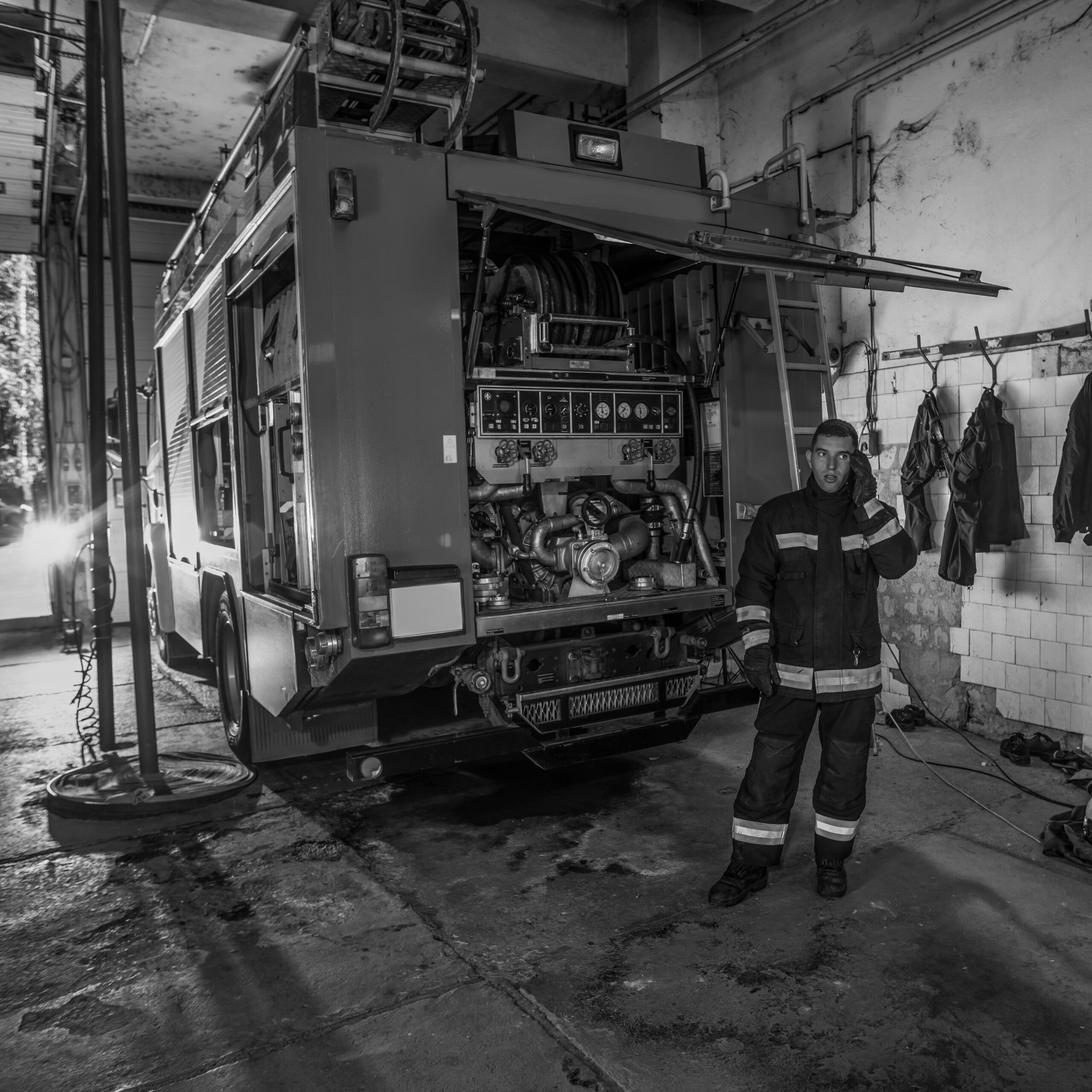
For decades, fire departments across the country trained firefighters using aqueous film-forming foam (AFFF), burned structures at dedicated training sites, and maintained vehicle fleets from facilities with aging fuel infrastructure, often without knowing what those practices would leave behind.
Today, the departments, districts, and authorities that own or operate those properties are facing the consequences. Per- and polyfluoroalkyl substances (PFAS) from AFFF discharges at training grounds, petroleum releases from fueling areas, combustion byproducts from live-fire burn sites, and industrial solvents from equipment maintenance areas have all contributed to environmental liabilities now surfacing at fire stations and training facilities nationwide. Contamination from training grounds has migrated intosoil, groundwater, and adjacent surface water, expanding the scope of investigation, remediation, and regulatory obligation with each new finding.
Before the mid-1980s, municipal fire departments, volunteer fire departments, industrial fire brigades, and fire district authorities routinely purchased General Liability Policies to protect against operational risks. Many of those policies were issued before effective pollution exclusions became standard, meaning they may still respond to contamination tied to historical operations at fire stations and training facilities.
When properly identified and evaluated, these historical policies can serve as a significant source of funding for environmental remediation, reducing the financial burden on the departments and administrators who had no part in the practices that caused the contamination in the first place.
How Restorical Can Help
Environmental remediation at fire stations and training facilities can represent one of the most significant financial burdens a department, district authority, or municipal government will ever face. Investigation, cleanup, and long-term monitoring costs can span decades, and regulatory requirements tend to expand as new contamination is identified. Our role is to identify and activate historical insurance assets that can help fund these obligations before the contamination wreaks havoc on budgets.
Find Your Policy1.
We locate and analyze historical General Liability Policies issued before the effective date of pollution exclusions that may respond to contamination arising from fire department and fire district operations.
2.
We research the operational history of fire stations and training facilities, including AFFF use and storage, live-fire training grounds, apparatus fueling areas, and equipment maintenance operations, to identify historical occurrences and past practices that may trigger historical insurance coverage.
3.
We match environmental site assessments, regulatory orders, and cleanup plans to historical policies, determining which contamination events fall within coverage periods and which insurers are responsible for funding cleanup.
4.
We collaborate with environmental consultants and legal teams to prepare claim documentation, including coverage analyses, site findings, and formal notices to carriers, ensuring the historical coverage record is complete and defensible.
5.
We assist with the organization, submission, and tracking of cleanup costs to ensure available insurance funding is properly accessed and managed throughout the remediation process.
Case Studies
The following case studies illustrate how Restorical has helped fire departments and related authorities identify and recover funding from historical insurance policies to address contamination tied to legacy fire operations.