
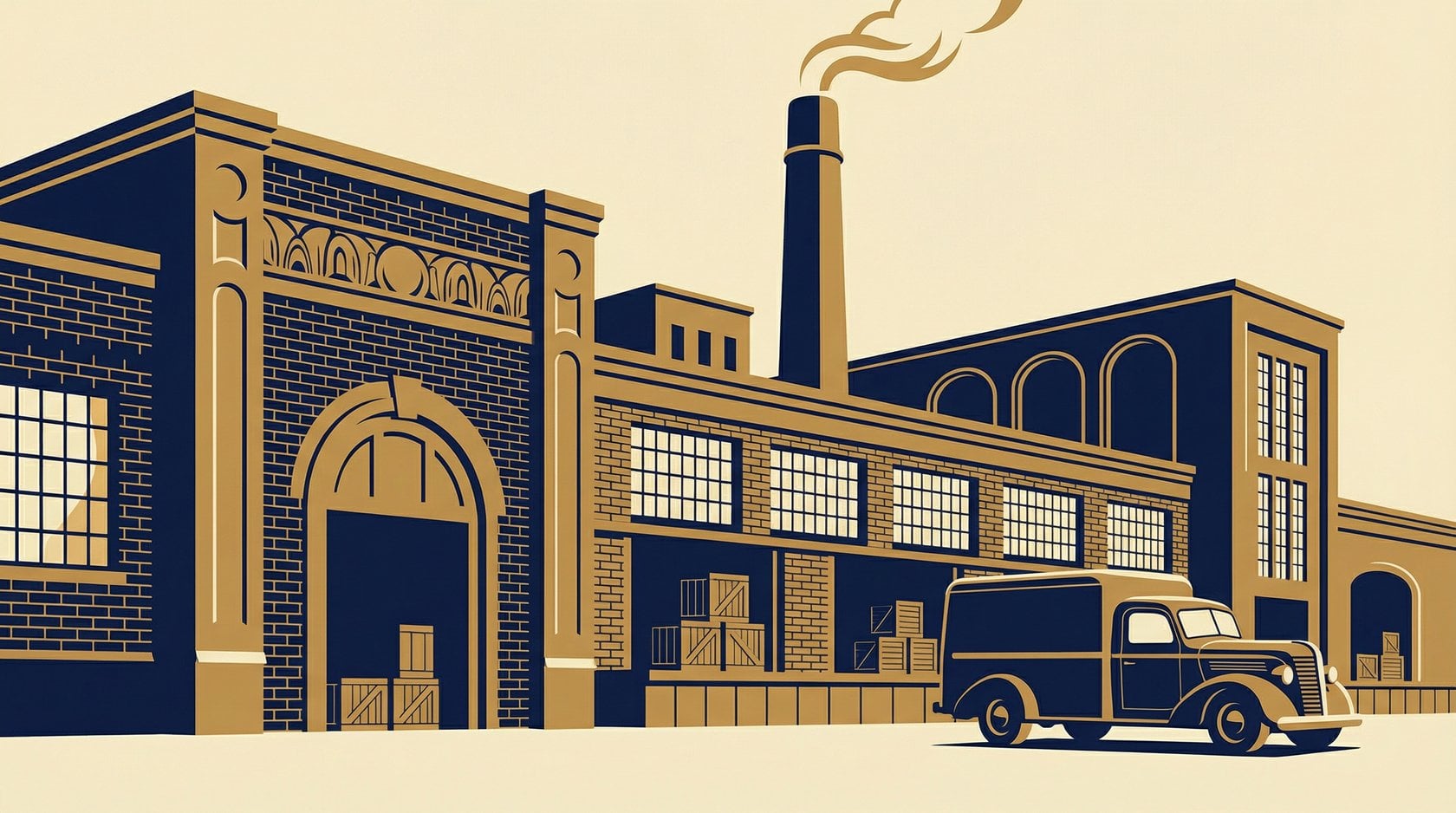

This property has a documented history as a industrial and manufacturing facility predating 1986. Historical insurance policies issued during those prior operations and through 1986 could fund a cleanup — and recover costs already spent.
The Seattle Maritime Academy property on Salmon Bay was part of an industrial waterfront district from the late 1800s, with a railroad line documented by 1899, the Phoenix and Eureka Sawmills operating by 1905, and shingle milling activity continuing at least through 1966, when the mill burned for the last time. Contamination at the site is attributed to wood waste and fire-damaged fill from those mill operations, creosote-treated railroad ties and a timber bulkhead, and petroleum releases associated with railroad use. Cleanup under the Voluntary Cleanup Program has included excavation of over 3,000 cubic yards of contaminated soil and subsequent capping, with ongoing subsurface investigations, monitoring well installation, aquifer testing, and groundwater monitoring continuing under regulatory oversight. That history could support an insurance cost recovery claim against carriers who issued insurance policies 40+ years ago.
Why Historical Insurance Policies May Be Accessible
Pre-1986 Commercial General Liability (CGL) policies were occurrence-based and did not contain an effective pollution exclusion in Washington. If contamination occurred while those policies were active, those historical insurance carriers may still have a legal obligation to fund the cleanup costs, even if the business closed or the property changed hands.
The polycyclic aromatic hydrocarbon, petroleum hydrocarbon, and arsenic contamination at this property originated from sawmill and railroad operations that predate 1986 by the better part of a century. Occurrence-based Commercial General Liability policies issued to the operators of those mills and rail facilities during the pre-1986 era carried no effective pollution exclusion under Washington law and remain enforceable today. The remediation costs already incurred — soil excavation, capping, well installation, and multi-year groundwater monitoring — and the costs of cleanup work still to come represent expenditures the historical carriers may be obligated both to recover and to fund going forward.
Restorical's role is to locate viable historical policies, determine whether a successful coverage claim is possible, and assist our clients and their legal counsel to obtain insurance coverage. Restorical then manages the claim, including accounting, to ensure the cleanup is funded in a timely manner.
What We Look For
- Historical insurance policies (pre-1986)
- Policy numbers, carrier names, and coverage periods
- Connection between contamination timing and policy period
- Evidence linking cleanup obligation to insured activity
What We Deliver
- Historical Coverage Chart
- Trigger Analysis & Property/Policy Nexus
- Coverage strategy with recommendations
- Insurance funding for your remediation
- Claims Management & Forensic Accounting
The Restorical Proven Process
Ready to learn more?
Contact UsThis analysis is preliminary and based on publicly available records. Restorical Research is not a law firm and does not provide legal advice.