
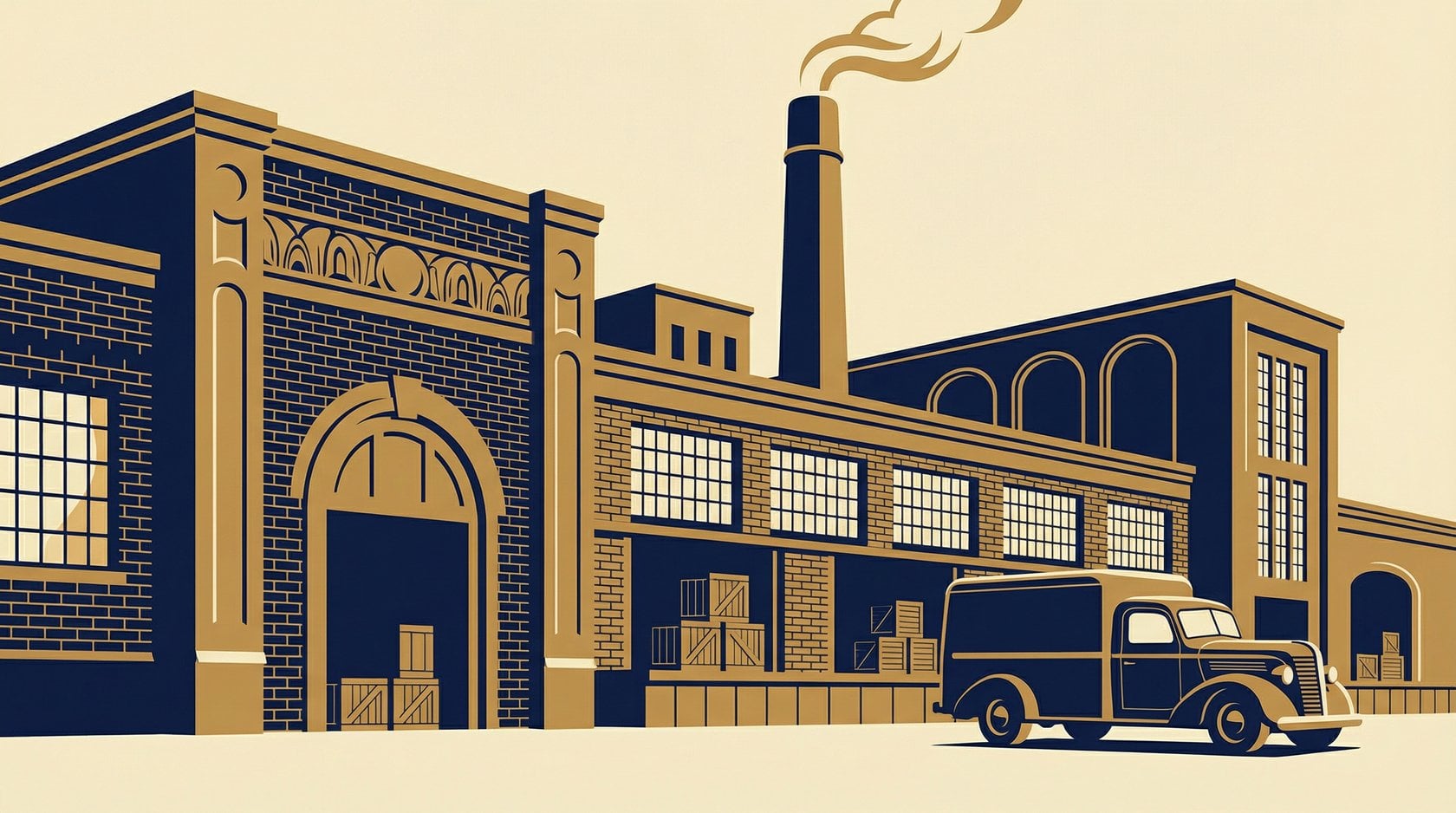

This property has a documented history as a industrial and manufacturing facility going back to 1948. Historical insurance policies issued during those prior operations and through 1986 could fund a cleanup.
Mastercraft Metal Finishing has operated as an electroplating facility since 1948, providing nickel, chrome, and gold plating and anodizing services using cyanide-based processes, cold solvent cleaning, and alkaline cleaning. The current owner acquired the business in January 1984 and inherited hazardous waste accumulated by the prior operator. Active management measures have included on-site cyanide destruction, off-site hazardous waste disposal, filter press operation, and manual pH neutralization, with monitoring wells in place to assess the site. Planned remediation work includes floor and ventilation upgrades, secondary containment installation, and removal of hazardous waste from facility floors. That history could support an insurance cost recovery claim against carriers who issued insurance policies 40+ years ago.
Why Historical Insurance Policies May Be Accessible
Pre-1986 Commercial General Liability (CGL) policies were occurrence-based and did not contain an effective pollution exclusion in Washington. If contamination occurred while those policies were active, those historical insurance carriers may still have a legal obligation to fund the cleanup costs, even if the business closed or the property changed hands.
Electroplating operations at this site — cyanide baths, heavy-metal plating, and solvent cleaning — began in 1948 and continued uninterrupted through the January 1984 ownership transfer, meaning CGL policies issued to both the prior operator and the incoming owner fall within the pre-pollution-exclusion window. That 1984 transaction is particularly significant: the new owner explicitly inherited the prior owner's accumulated hazardous waste, creating a documented chain of contamination liability that spans multiple policyholders and policy periods. The remediation costs now facing the property — cyanide destruction, secondary containment, floor rehabilitation, and long-term monitoring — represent exactly the expenditures that historical occurrence-based carriers from either ownership era may be obligated to fund.
Restorical's role is to locate viable historical policies, determine whether a successful coverage claim is possible, and assist our clients and their legal counsel to obtain insurance coverage. Restorical then manages the claim, including accounting, to ensure the cleanup is funded in a timely manner.
What We Look For
- Historical insurance policies (pre-1986)
- Policy numbers, carrier names, and coverage periods
- Connection between contamination timing and policy period
- Evidence linking cleanup obligation to insured activity
What We Deliver
- Historical Coverage Chart
- Trigger Analysis & Property/Policy Nexus
- Coverage strategy with recommendations
- Insurance funding for your remediation
- Claims Management & Forensic Accounting
The Restorical Proven Process
Ready to learn more?
Contact UsThis analysis is preliminary and based on publicly available records. Restorical Research is not a law firm and does not provide legal advice.