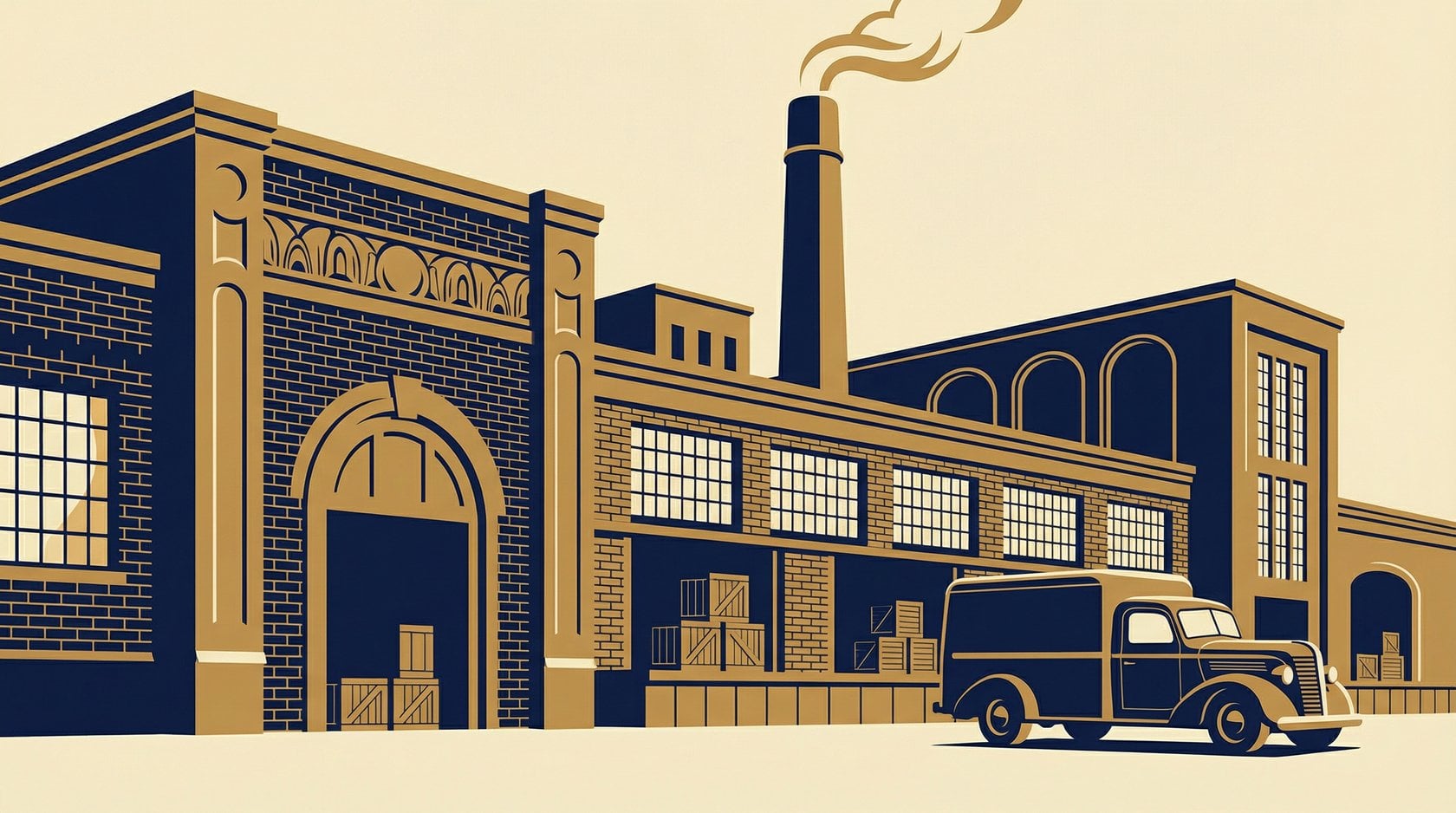
This property has a documented history as a industrial and manufacturing facility predating 1986. Historical insurance policies issued during operations at this property and through 1986 could fund a cleanup.
The Manke Lumber Co Inc. facility in Sumner has operated as a sawmill and wood treating operation for decades, with contamination first documented when the site was added to the state contaminated sites list in 1991. The facility's Alkaline Copper Quaternary (ACQ) Plant pressure-treats lumber with chemicals that introduced arsenic, chromium, and copper into the soil; illegal dumping of oils and antifreeze on the property has been documented as ongoing for many years. Cleanup measures to date include cessation of tram use for source control, disposal of investigation-derived waste, and operation of a stormwater treatment system under NPDES compliance monitoring. Planned remediation includes institutional controls, potential soil excavation and replacement with clean fill or capping, and waste characterization for any removed material. That history could support an insurance cost recovery claim against carriers who issued insurance policies 40+ years ago.
Why Historical Insurance Policies May Be Accessible
Pre-1986 Commercial General Liability (CGL) policies were occurrence-based and did not contain an effective pollution exclusion in Washington. If contamination occurred while those policies were active, those historical insurance carriers may still have a legal obligation to fund the cleanup costs, even if the business closed or the property changed hands.
The arsenic, chromium, and copper contamination at this property originated from wood treating chemical processes that were active well before 1986, when occurrence-based Commercial General Liability policies had no effective pollution exclusion and were still the industry standard. The documented dumping of oils and antifreeze over many years further ties the site's contamination profile to that pre-1986 operational history. The property owner now faces a defined and substantial remediation program — institutional controls, soil excavation or capping, and long-term monitoring — that historical carriers whose policies covered sawmill and wood treating operations during that era may be obligated to fund.
Restorical's role is to locate viable historical policies, determine whether a successful coverage claim is possible, and assist our clients and their legal counsel to obtain insurance coverage. Restorical then manages the claim, including accounting, to ensure the cleanup is funded in a timely manner.
What We Look For
- Historical insurance policies (pre-1986)
- Policy numbers, carrier names, and coverage periods
- Connection between contamination timing and policy period
- Evidence linking cleanup obligation to insured activity
What We Deliver
- Historical Coverage Chart
- Trigger Analysis & Property/Policy Nexus
- Coverage strategy with recommendations
- Insurance funding for your remediation
- Claims Management & Forensic Accounting
The Restorical Proven Process
Ready to learn more?
Contact UsThis analysis is preliminary and based on publicly available records. Restorical Research is not a law firm and does not provide legal advice.