
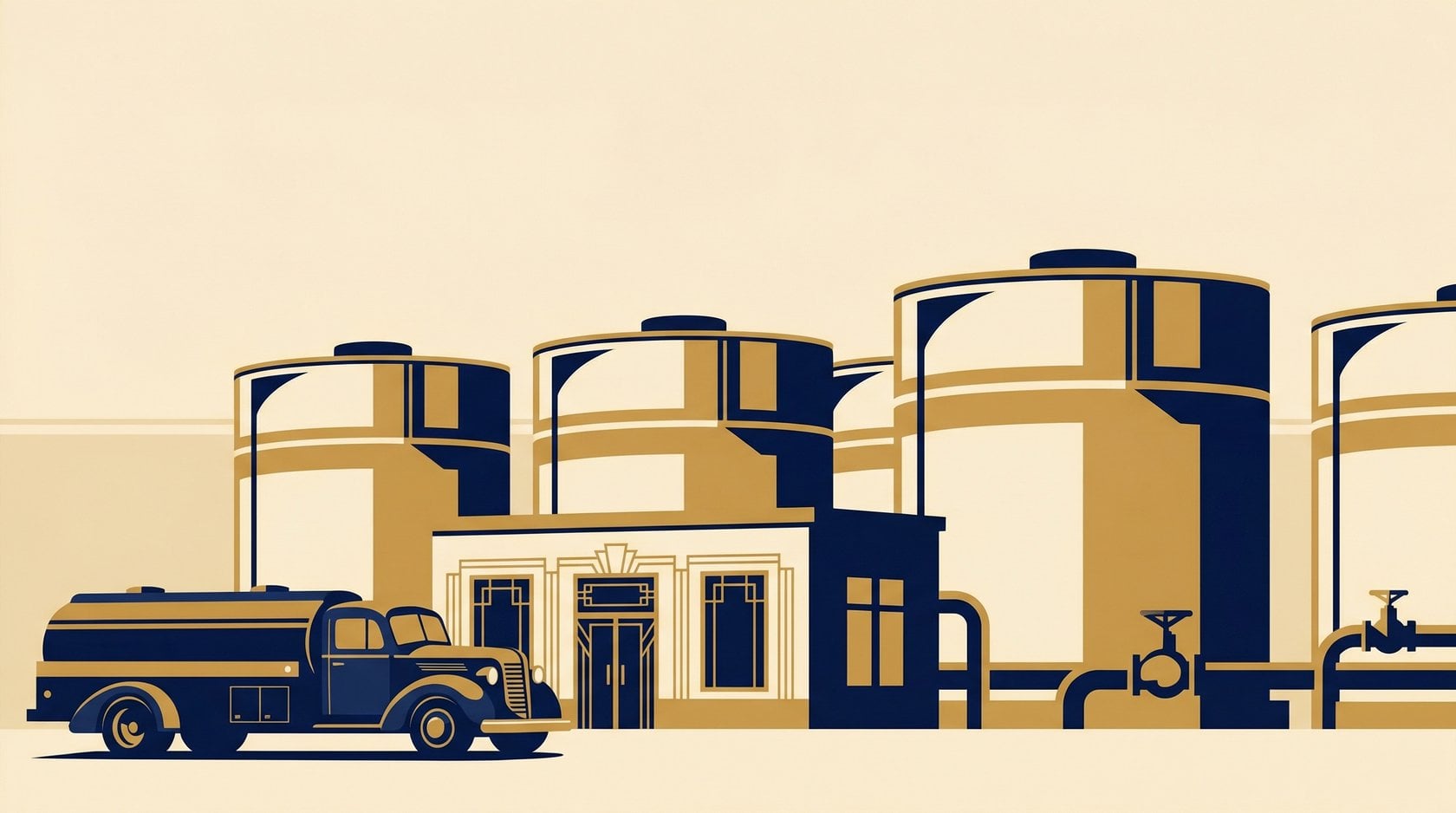

This property has a documented history as a bulk fuel distribution terminal going back to 1973. Historical insurance policies issued during operations at this property and through 1986 could fund a cleanup.
Laurehurst Oil Co has owned this bulk diesel distribution facility since 1973, and prior owners operated it for the same fuel-storage and distribution purposes before that date. The site functions as a fueling depot for commercial tanker trucks leased to independent fuel distributors and also dispenses diesel directly to private vehicles. A 1990 cleanup project recovered approximately 16 gallons of free product and water-fuel mix from sumps and a dry well, and excavated 458 cubic feet (25.21 tons) of petroleum-affected soil and gravel for landfill disposal. Site investigators noted that the majority of petroleum hydrocarbons found at depth were residual contamination from spills predating the 1990 incident; the property remains under Standard Cleanup with further remediation awaiting. That history could support an insurance cost recovery claim against carriers who issued insurance policies 40+ years ago.
Why Historical Insurance Policies May Be Accessible
Pre-1986 Commercial General Liability (CGL) policies were occurrence-based and did not contain an effective pollution exclusion in Washington. If contamination occurred while those policies were active, those historical insurance carriers may still have a legal obligation to fund the cleanup costs, even if the business closed or the property changed hands.
Laurehurst Oil Co's ownership since 1973 — combined with prior owners' use of the same bulk diesel depot before that — means occurrence-based CGL policies covering operations at this property span more than a decade before 1986. The residual hydrocarbons investigators found at depth are explicitly tied to historical tanker-fleet fueling operations of that earlier era, not the 1990 incident in isolation, which means the triggering releases trace directly to the pre-1986 policy window. Historical carriers who issued CGL coverage to Laurelhurst Oil Co or its predecessors during those years may be obligated to fund the cleanup costs this facility now faces.
Restorical's role is to locate viable historical policies, determine whether a successful coverage claim is possible, and assist our clients and their legal counsel to obtain insurance coverage. Restorical then manages the claim, including accounting, to ensure the cleanup is funded in a timely manner.
What We Look For
- Historical insurance policies (pre-1986)
- Policy numbers, carrier names, and coverage periods
- Connection between contamination timing and policy period
- Evidence linking cleanup obligation to insured activity
What We Deliver
- Historical Coverage Chart
- Trigger Analysis & Property/Policy Nexus
- Coverage strategy with recommendations
- Insurance funding for your remediation
- Claims Management & Forensic Accounting
The Restorical Proven Process
Ready to learn more?
Contact UsThis analysis is preliminary and based on publicly available records. Restorical Research is not a law firm and does not provide legal advice.