
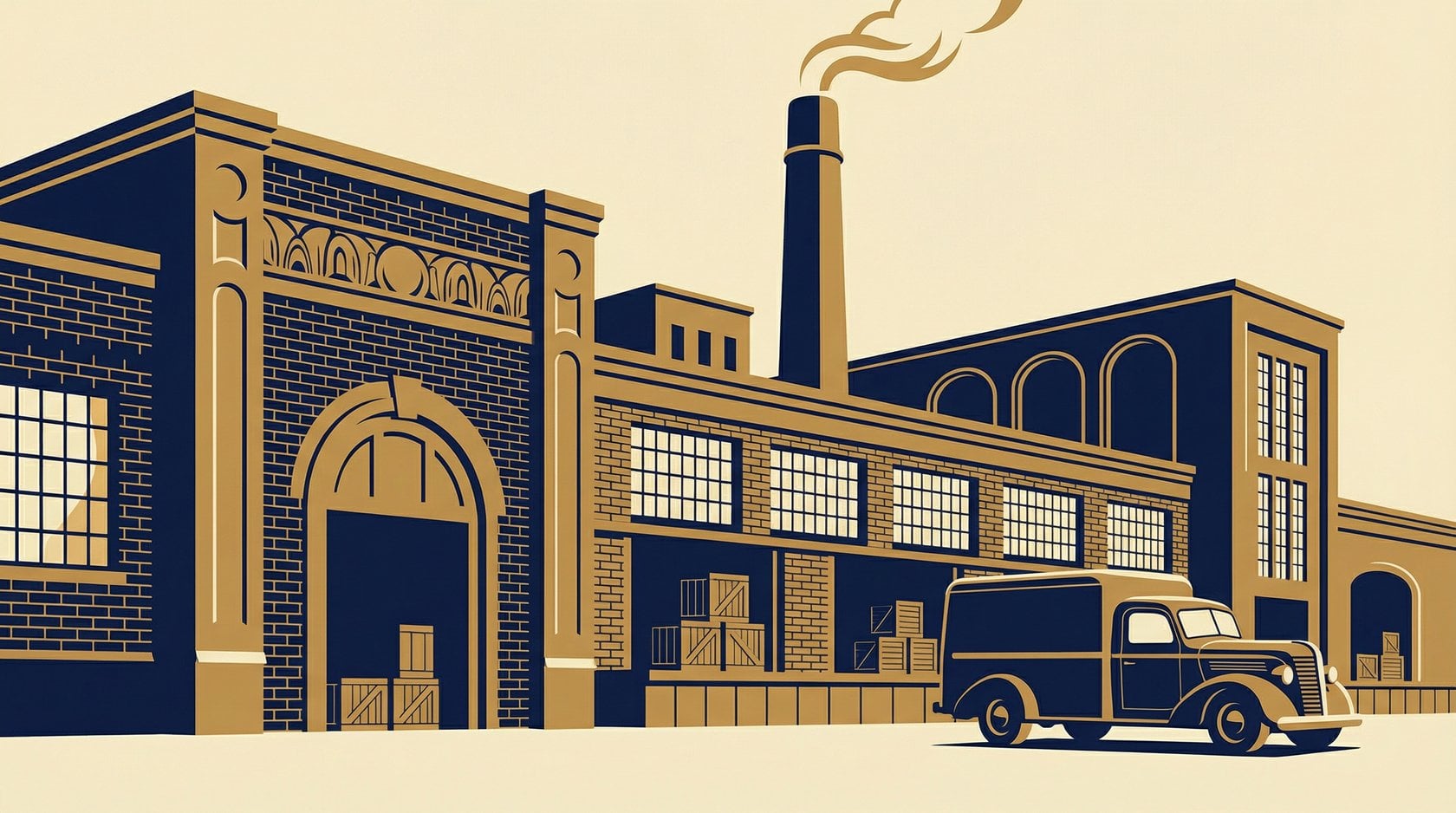

This property has a documented history as a industrial and manufacturing facility predating 1986. Historical insurance policies issued during those prior operations and through 1986 could fund a cleanup.
The Last Chance Mine, part of the Knob Hill Mine Complex in Ferry County, operated as a gold and silver mine from before 1910 through 1940, leaving behind three waste rock piles, a filled stope, two adits, and a shaft. An initial investigation has been completed, identifying elevated metals in the waste rock as the primary contamination concern. Remediation to date has been limited to filling an erosion pit and using metal debris as fill at the adjacent Lone Pine Mine; no active cleanup has commenced under the Standard Cleanup program. That history could support an insurance cost recovery claim against carriers who issued insurance policies 40+ years ago.
Why Historical Insurance Policies May Be Accessible
Pre-1986 Commercial General Liability (CGL) policies were occurrence-based and did not contain an effective pollution exclusion in Washington. If contamination occurred while those policies were active, those historical insurance carriers may still have a legal obligation to fund the cleanup costs, even if the business closed or the property changed hands.
Mining operations at the Last Chance Mine ended in 1940 — more than four decades before the 1986 threshold after which occurrence-based Commercial General Liability policies began incorporating effective pollution exclusions. The elevated metals contamination tied to the waste rock piles left by those gold and silver extraction operations represents the type of long-tail, ongoing release that pre-1986 CGL policies were written to address. Historical carriers who issued policies to operators during the mine's decades of active production may remain obligated to fund the investigation and remediation costs the property owner now faces.
Restorical's role is to locate viable historical policies, determine whether a successful coverage claim is possible, and assist our clients and their legal counsel to obtain insurance coverage. Restorical then manages the claim, including accounting, to ensure the cleanup is funded in a timely manner.
What We Look For
- Historical insurance policies (pre-1986)
- Policy numbers, carrier names, and coverage periods
- Connection between contamination timing and policy period
- Evidence linking cleanup obligation to insured activity
What We Deliver
- Historical Coverage Chart
- Trigger Analysis & Property/Policy Nexus
- Coverage strategy with recommendations
- Insurance funding for your remediation
- Claims Management & Forensic Accounting
The Restorical Proven Process
Ready to learn more?
Contact UsThis analysis is preliminary and based on publicly available records. Restorical Research is not a law firm and does not provide legal advice.