
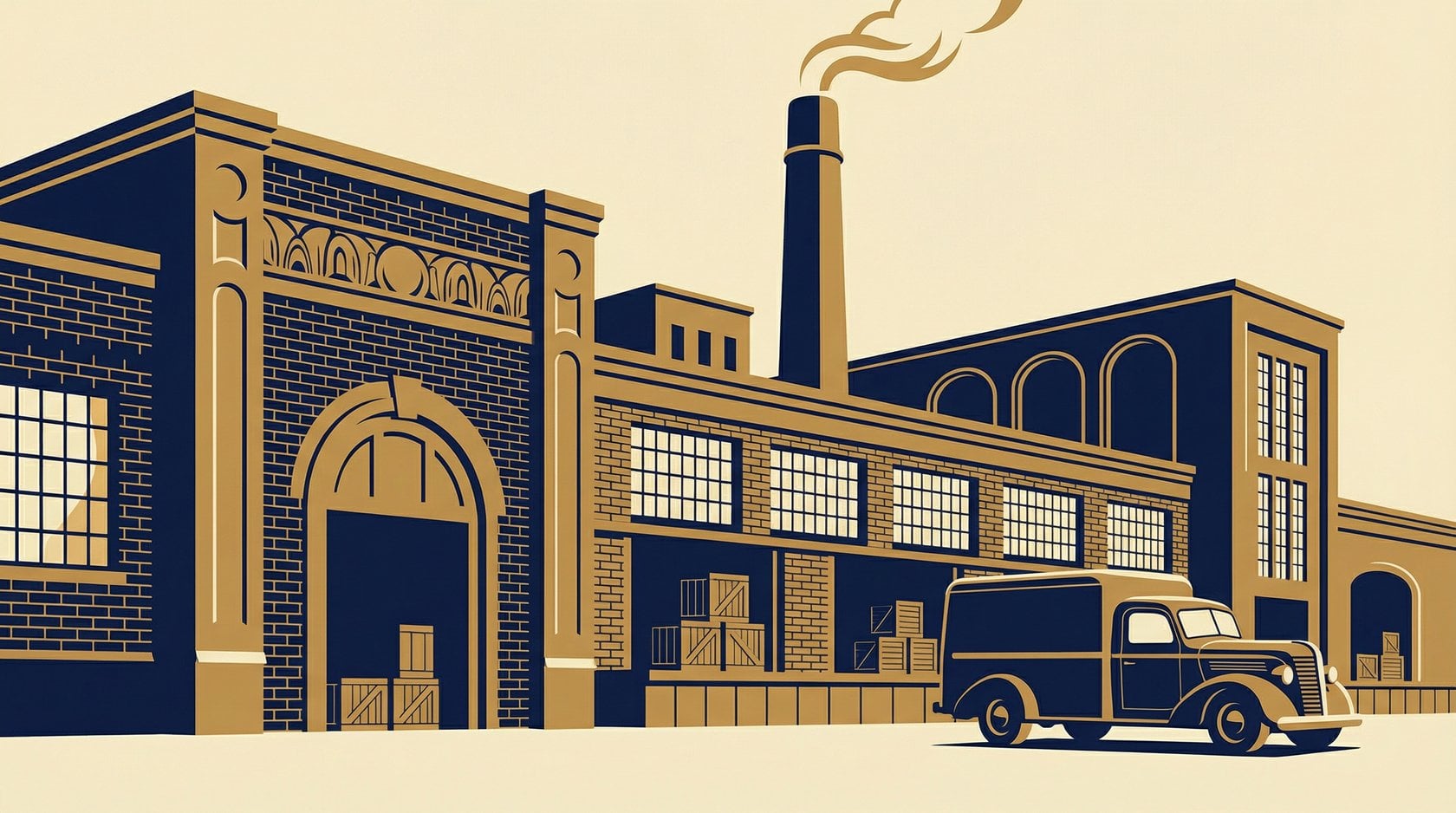

This property has a documented history as a industrial and manufacturing facility going back to 1927. Historical insurance policies issued during operations at this property and through 1986 could fund a cleanup — and recover costs already spent.
The Everett Mill has operated as a sulfite pulp and paper mill since at least 1927, producing bleached sulfite pulp and tissue products across a large industrial complex with multiple pulp machines, digesters, boilers, and a wastewater treatment facility — discharging effluent to the East Waterway from 1929 to 1964. Cleanup activities have included removal of numerous underground and aboveground storage tanks between 1989 and 2002, excavation of petroleum-contaminated soils, and recovery of 23,000 gallons of liquid-phase hydrocarbons. Ongoing remediation involves PCB equipment removal, groundwater monitoring, trench construction, site capping, and general site remediation by the US Navy. The facility remains in active industrial operation. That history could support an insurance cost recovery claim against carriers who issued insurance policies 40+ years ago.
Why Historical Insurance Policies May Be Accessible
Pre-1986 Commercial General Liability (CGL) policies were occurrence-based and did not contain an effective pollution exclusion in Washington. If contamination occurred while those policies were active, those historical insurance carriers may still have a legal obligation to fund the cleanup costs, even if the business closed or the property changed hands.
Contamination at this site — petroleum hydrocarbons from storage tanks installed and operated across multiple decades before 1986, and PCBs from industrial equipment with roots in the same era — originates from operations that predate the 1986 occurrence-based CGL policy shift by more than fifty years. The remediation record here is extensive: tank removals, soil excavation, 23,000 gallons of hydrocarbon recovery, PCB equipment removal, long-term groundwater monitoring, and US Navy site work — all traceable to pre-1986 industrial releases. Historical carriers who issued CGL coverage to the Everett Mill's operators during those decades may be obligated to fund ongoing cleanup costs and to recover expenditures already incurred.
Restorical's role is to locate viable historical policies, determine whether a successful coverage claim is possible, and assist our clients and their legal counsel to obtain insurance coverage. Restorical then manages the claim, including accounting, to ensure the cleanup is funded in a timely manner.
What We Look For
- Historical insurance policies (pre-1986)
- Policy numbers, carrier names, and coverage periods
- Connection between contamination timing and policy period
- Evidence linking cleanup obligation to insured activity
What We Deliver
- Historical Coverage Chart
- Trigger Analysis & Property/Policy Nexus
- Coverage strategy with recommendations
- Insurance funding for your remediation
- Claims Management & Forensic Accounting
The Restorical Proven Process
Ready to learn more?
Contact UsThis analysis is preliminary and based on publicly available records. Restorical Research is not a law firm and does not provide legal advice.