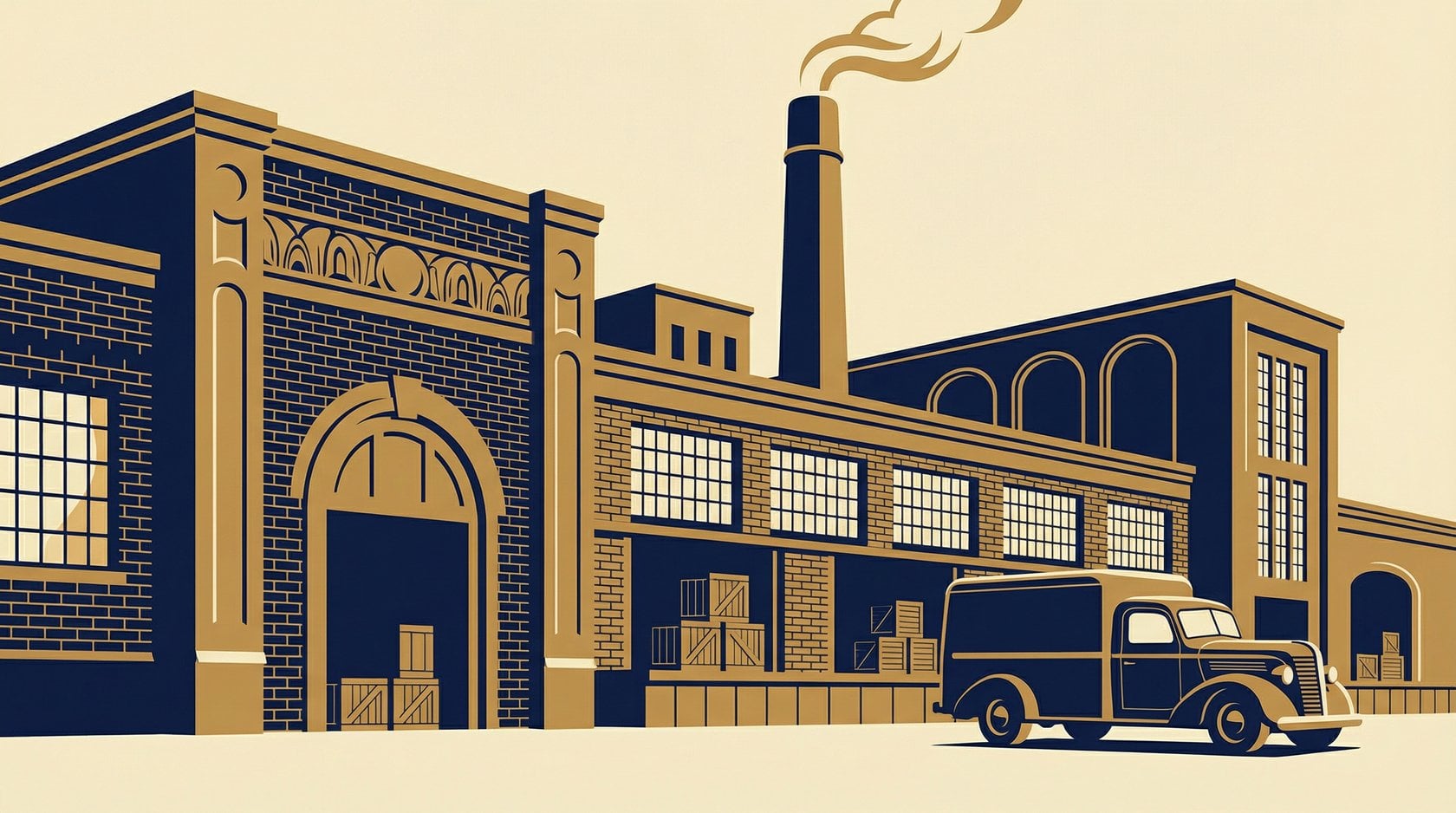
This property has a documented history as a industrial and manufacturing facility going back to 1891. Historical insurance policies issued during those prior operations and through 1986 could fund a cleanup.
The Keystone Mine site in Chewelah, Stevens County encompasses the former United Copper Group Mines, which began operations in 1891 and produced copper, silver, and minor gold through a peak production period spanning 1906 to 1920, with milling operations running from 1913 through the mid-1920s. Active mining ceased in 1931; the mines were briefly reopened in the 1950s, with concentrate shipments recorded into 1962, after which the property was left inactive and abandoned. Ongoing drainage from the UC#2 adit — approximately 20 gallons per minute — has required multi-year dewatering efforts and a collection pond to manage flow, and no active cleanup has yet commenced under the Standard Cleanup program. That history could support an insurance cost recovery claim against carriers who issued insurance policies 40+ years ago.
Why Historical Insurance Policies May Be Accessible
Pre-1986 Commercial General Liability (CGL) policies were occurrence-based and did not contain an effective pollution exclusion in Washington. If contamination occurred while those policies were active, those historical insurance carriers may still have a legal obligation to fund the cleanup costs, even if the business closed or the property changed hands.
The contamination at this property — acid mine drainage and heavy metals transported from waste rock and tailings — is the direct legacy of industrial mining operations that began in 1891 and ran across multiple active periods, all predating 1986 by decades. Occurrence-based CGL policies issued to the mine operators during those pre-1986 windows had no effective pollution exclusion under Washington law and remain enforceable today. The investigation and remediation costs the property owner faces to address this long-running metals contamination could plausibly be funded by historical carriers whose policies were in force during the mine's operational era.
Restorical's role is to locate viable historical policies, determine whether a successful coverage claim is possible, and assist our clients and their legal counsel to obtain insurance coverage. Restorical then manages the claim, including accounting, to ensure the cleanup is funded in a timely manner.
What We Look For
- Historical insurance policies (pre-1986)
- Policy numbers, carrier names, and coverage periods
- Connection between contamination timing and policy period
- Evidence linking cleanup obligation to insured activity
What We Deliver
- Historical Coverage Chart
- Trigger Analysis & Property/Policy Nexus
- Coverage strategy with recommendations
- Insurance funding for your remediation
- Claims Management & Forensic Accounting
The Restorical Proven Process
Ready to learn more?
Contact UsThis analysis is preliminary and based on publicly available records. Restorical Research is not a law firm and does not provide legal advice.