
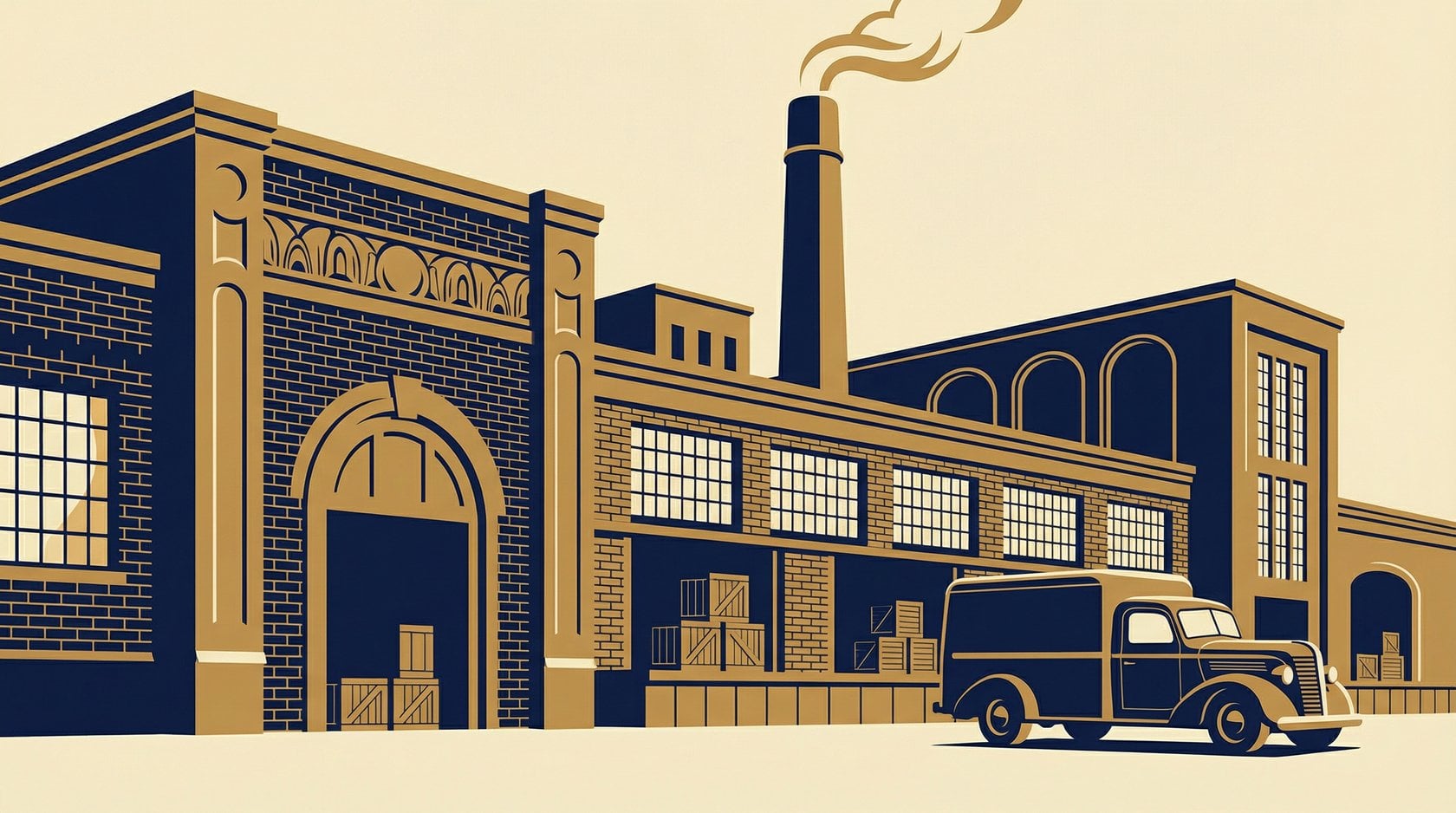

This property has a documented history as a industrial and manufacturing facility going back to 1890. Historical insurance policies issued during those prior operations and through 1986 could fund a cleanup — and recover costs already spent.
This property served as a major railroad yard dating back to the end of the 19th century, developed by Northern Pacific Railroad as a service facility for engine maintenance, freight car repair, and temporary rail cargo storage. Over the decades the yard expanded to include a roundhouse, machine shop, maintenance shops, oil houses, fuel tanks, underground fuel pipelines, car washing areas, and an extensive network of track and drainage infrastructure. Petroleum contamination attributed to these long-standing operations was discovered in the early 1990s, and cleanup has included the excavation of approximately 10,000 cubic yards of contaminated soil in 1994, thermal desorption treatment of that material, and installation of an impervious liner in a stormwater detention pond to prevent further infiltration of oily residues. Cleanup work is ongoing under the Standard Cleanup program. That history could support an insurance cost recovery claim against carriers who issued insurance policies 40+ years ago.
Why Historical Insurance Policies May Be Accessible
Pre-1986 Commercial General Liability (CGL) policies were occurrence-based and did not contain an effective pollution exclusion in Washington. If contamination occurred while those policies were active, those historical insurance carriers may still have a legal obligation to fund the cleanup costs, even if the business closed or the property changed hands.
Petroleum contamination at this site traces directly to railroad fueling, maintenance, and storage operations that ran continuously for nearly a century before 1986 — the year occurrence-based Commercial General Liability policies stopped reliably covering pollution claims in Washington. The documented remediation costs already incurred — large-scale soil excavation, thermal treatment, and engineered containment — along with any future cleanup obligations represent expenditures that historical carriers who issued CGL policies during those pre-1986 decades of operation may be obligated both to reimburse and to fund going forward.
Restorical's role is to locate viable historical policies, determine whether a successful coverage claim is possible, and assist our clients and their legal counsel to obtain insurance coverage. Restorical then manages the claim, including accounting, to ensure the cleanup is funded in a timely manner.
What We Look For
- Historical insurance policies (pre-1986)
- Policy numbers, carrier names, and coverage periods
- Connection between contamination timing and policy period
- Evidence linking cleanup obligation to insured activity
What We Deliver
- Historical Coverage Chart
- Trigger Analysis & Property/Policy Nexus
- Coverage strategy with recommendations
- Insurance funding for your remediation
- Claims Management & Forensic Accounting
The Restorical Proven Process
Ready to learn more?
Contact UsThis analysis is preliminary and based on publicly available records. Restorical Research is not a law firm and does not provide legal advice.