
Property owners and developers managing brownfield contamination have two potential funding sources available beyond paying out of pocket or drawing from a general fund: government grants and historical commercial general liability insurance. Each covers a distinct phase of the cleanup process, and in some cases both can be used on the same project.
This guide explains what each source covers, when they can be used together, and what applies when they can’t. The discussion is limited to soil and groundwater contamination.
What Is a Brownfield and How Does Contamination Occur?
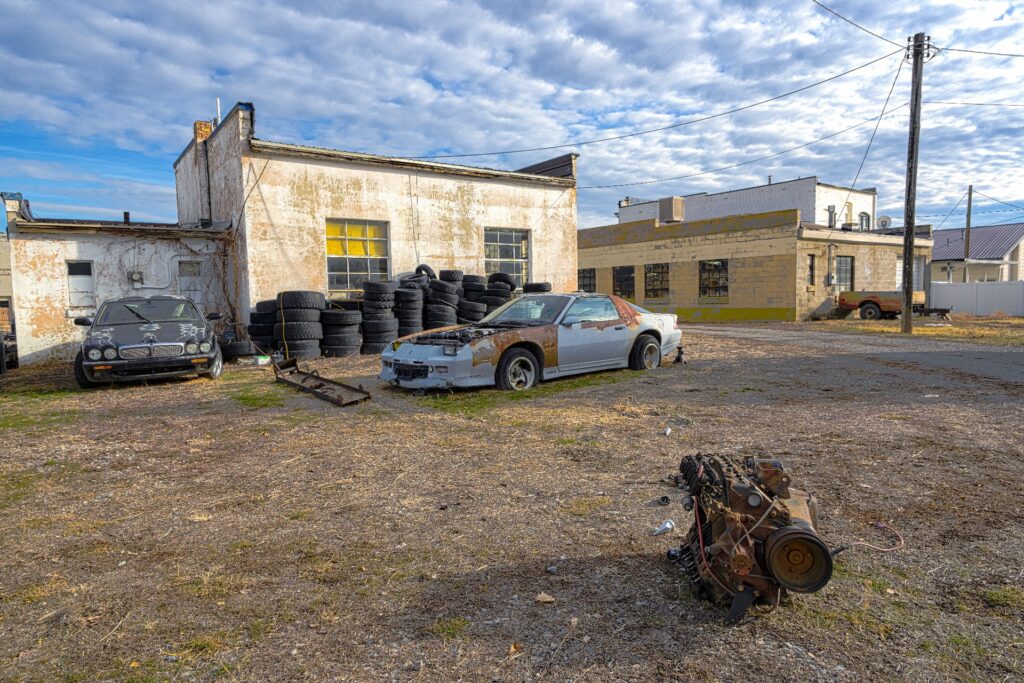
A brownfield is a property where the presence or potential presence of contamination complicates reuse or redevelopment. Most brownfield sites carry the environmental legacy of prior industrial or commercial operations, including facilities that handled petroleum products, solvents, metals, and other hazardous materials that cause contamination over decades of use.
In many cases, the property owner facing a cleanup obligation today had nothing to do with the operations that caused the problem. Contamination passes with the property through sale, inheritance, or corporate succession, leaving current owners responsible for conditions they didn’t create. That dynamic is central to how brownfield funding programs are structured.
Why Grant Funding Is Available for Brownfields and Who Qualifies
Brownfield contamination is not only a private problem. Sites that go unaddressed threaten the health of surrounding communities, suppress neighboring property values, and keep potentially productive land out of use for years or decades.
Government grant programs exist because these consequences extend well beyond the property line, and because the private owners left holding contaminated property often lack the resources to address it on their own.
Grant eligibility reflects that logic, though the specific criteria depend on the type of contamination and the applicant. For most brownfield sites, eligible applicants are public entities such as cities, counties, housing authorities, states, tribes, and certain nonprofits. Private property owners generally cannot apply directly.
Sites listed on the National Priorities List, or subject to certain federal or state enforcement actions, are typically ineligible regardless of who owns them. For petroleum-contaminated sites specifically, the presence of a viable responsible party, meaning a solvent prior operator who can be compelled to fund the cleanup, is an additional disqualifying factor.
For private property owners and developers, the path to grant funding typically runs through a municipality or public agency rather than a direct application, making early coordination with local government an important step in any brownfield funding strategy.
What Government Grant Funding Covers
Government grant programs address brownfield contamination at two distinct stages: investigation and cleanup. The distinction matters because the two stages carry different eligibility requirements, different funding limits, and very different levels of accessibility.
Assessment Grants
Assessment grants fund the investigation process. For most property owners, this is the most accessible form of brownfield grant funding available. The EPA administers some of the most widely used federal assessment programs, and most states run parallel programs of their own. Local and regional sources add further options depending on location. Assessment funding covers two phases of environmental investigation:
- Phase I assessments review historical property records to identify potential contamination sources.
- Phase II assessments involve soil and groundwater sampling to confirm the presence, type, and extent of contamination.
Cleanup Grants
Cleanup grants fund remediation activities, but they are considerably more limited than assessment funding. They are competitive, capped, and carry eligibility requirements that many sites won’t meet.
A 20% cost share is required, meaning the applicant must contribute funds equal to 20% of the EPA’s grant award in the form of money, labor, materials, or services applied to eligible cleanup expenses. Cleanup grants are capped at $500,000 per award, so at that maximum, the match represents $100,000 the applicant must identify and commit before grant funds are spent on cleanup. For municipalities and public agencies managing contaminated sites they didn’t create and didn’t budget for, that obligation is a meaningful barrier to applying in the first place.
The challenge extends beyond the match. Remediation costs at brownfield sites frequently exceed what a single cleanup grant can cover. A property that qualifies for the maximum award may still face a substantial gap between what the grant provides and what the cleanup actually costs. The practical result is that government grant funding reliably covers the investigation phase but does not guarantee coverage of cleanup costs. Identifying other funding sources early, ideally before the grant application is submitted, is a necessary part of any realistic brownfield funding strategy.
What Historical Commercial General Liability Insurance Covers

Commercial general liability policies issued before the mid-1980s predate the standard pollution exclusion that is now routine in modern coverage. Many of those older policies covered third-party property damage caused by gradual pollution, including the kind of soil and groundwater contamination common to brownfield sites. Because these policies were occurrence-based, each year that contamination was actively migrating could represent a separate coverage trigger with its own policy limits. A site with a long contamination history may correspond to multiple policy years, each potentially carrying its own available coverage.
For property owners managing brownfield contamination, historical commercial general liability (CGL) insurance is most relevant to the cleanup phase, which is typically the highest cost in any remediation project. These policies can often be located and reconstructed, even when the originals are long gone, using carrier records, industry databases, and secondary evidence.
When Historic Insurance and Grant Funding Can Be Used Together
Using government grants and historical CGL coverage on the same project is possible and can have distinct advantages.
Grant funding covers the investigation that identifies the contamination and documents how far it has traveled. If that investigation confirms an impact to a third party, such as contamination migrating beyond the property boundary or reaching a public water source, a historical CGL claim may be available to fund the cleanup of the contamination. The scenarios that qualify include:
- A neighboring property: Soil or groundwater contamination that has migrated onto land owned by another party, whether a private business, a residential neighbor, or another commercial landowner.
- The public groundwater supply: Contamination that has reached a municipal or shared groundwater source used by parties beyond the original property boundary.
- A public right of way: Contamination found beneath a public road, sidewalk, or utility corridor.
In each case, the property owner faces potential liability for damage to someone else’s property. That is the kind of claim a pre-regulatory CGL policy is designed to cover. The investigation of grant funds may produce exactly the evidence needed to pursue that claim, connecting the environmental record to the insurance record in a way that supports recovery across multiple policy years.
How Historical Insurance Research Strengthens a Brownfield Grant Application
For applicants working toward a brownfield cleanup grant, historical insurance research is worth pursuing before the application is submitted. EPA’s brownfields grant program outlines the requirements for assessment, cleanup, and other grant types, including the cost share obligations and funding limits applicants must plan around. Historical CGL coverage can address each of the major financial challenges those requirements create.
- It can strengthen the application itself. Demonstrating that insurance proceeds may be available to fund a portion of the cleanup shows grant reviewers that additional dollars are in play. A project with a realistic path to full funding beyond the grant is a stronger candidate than one that depends entirely on the award.
- It may satisfy the cost share requirement. Insurance proceeds recovered through historical CGL coverage may be applied toward the 20% match, reducing the out-of-pocket contribution the applicant would otherwise need to raise before the grant can be used.
- It can cover what the grant does not. Awards are competitive and capped, and the amount provided is often less than the amount requested. Historical CGL coverage, when it can be located and applied, may address cleanup costs the grant leaves unfunded.
Restorical Research locates and reconstructs historical insurance policies for property owners managing environmental contamination. Working exclusively on the policyholder side, Restorical searches for pre-regulatory CGL coverage that may predate current ownership and uses that coverage to help fund cleanup costs. For brownfield sites where off-site migration has been confirmed, or where the question of historical coverage simply hasn’t been asked yet, contact Restorical Research today for a complimentary case review.