
Many small businesses discover environmental contamination years after operations have changed or properties have been sold. Liability insurance purchased decades ago can help cover these costs, but those old policies are often missing or incomplete. Fortunately, businesses can still prove coverage existed through secondary evidence and access insurance funds without the original policy in hand.
In this guide, we’ll explain what secondary evidence for insurance coverage is, why it matters for environmental cleanup, and how professionals use it to reconstruct missing policies. You’ll also learn what types of documentation can support a claim, how the judicial process evaluates secondary evidence, and when to contact insurance archaeology experts to help recover insurance coverage.
What Is Secondary Evidence for Insurance Policies and Why Does It Matter?
Secondary evidence refers to any documentation that helps prove an insurance policy existed when the original cannot be found. Courts and insurers accept this form of proof when it’s credible, consistent, and supported by multiple sources. It allows them to establish the key terms of coverage, such as limits, exclusions, and policy periods, even when the original policy documents are missing.
For many small businesses, this evidence can be the key to unlocking valuable coverage. Older commercial general liability policies, especially those written before 1986, often provided broader protection for pollution, including contamination that occurred gradually over time. These policies can still apply when contamination is discovered decades later.
Reconstructing coverage through secondary evidence helps business owners access funds for environmental cleanup, investigation, and legal defense. In many cases, this coverage makes the difference between a financially manageable remediation and an overwhelming expense.
Common Forms of Secondary Evidence
When a policy can’t be located, the goal is to collect reliable documentary evidence that proves coverage existed and outlines key details such as the insurer, dates, and policy type. The following materials often serve as accepted forms of secondary evidence:
- Correspondence with insurance brokers, such as letters, invoices, or handwritten notes, confirming coverage terms, policy numbers, or renewals.
- Accounting and financial records, such as canceled checks, premium payment ledgers, invoices, or tax returns, that reference insurance expenses and premiums paid.
- Certificates of insurance are often retained by vendors, landlords, or clients as proof of liability coverage during a specific period.
- Internal company documents, including risk management reports, claim logs, safety audits, and internal memoranda referencing insurance carriers or policy numbers.
- Third-party records, such as documentation held by regulators, lenders, or business partners, as proof of insurance for compliance or financing.
- Prior claim files or loss runs are records from past insurance claims that identify carriers and coverage periods.
- Policy index cards or schedules serve as summaries maintained by brokers, corporate secretaries, or risk managers listing active policies by year.
- Board minutes or corporate correspondence, including official communications discussing the purchase, renewal, or cancellation of insurance policies.
- Regulatory filings and permits, such as environmental or operational filings, that included proof of insurance as part of state or federal compliance.
- Archived insurer records, like microfilm or database entries from insurers that confirm issued policies, even if the full document no longer exists.
Each piece of evidence builds a more complete picture. The more sources that independently point to the same carrier, dates, and coverage details, the stronger the foundation for reconstructing a policy and recovering insurance funds for remediation.
Insurance Archaeologists and Secondary Evidence

When historical insurance policies go missing, insurance archaeologists track down the evidence needed to prove coverage and identify the insurance companies that issued policies decades ago. Their work combines investigative research, environmental knowledge, and legal awareness to reconstruct coverage history. Rather than relying on a single document, they piece together multiple records to create a complete and verifiable timeline of insurance coverage.
Insurance archaeologists understand how insurers operated during different eras and how policy language evolved over time. This expertise allows them to interpret old forms, determine which policies may apply to environmental contamination, and evaluate what evidence will hold up with insurers or in court. The general rule in these cases is that consistent, credible evidence can establish valid coverage even when the original policy has been lost.
Hypothetical Case Example: Reconstructing Coverage Using Secondary Evidence
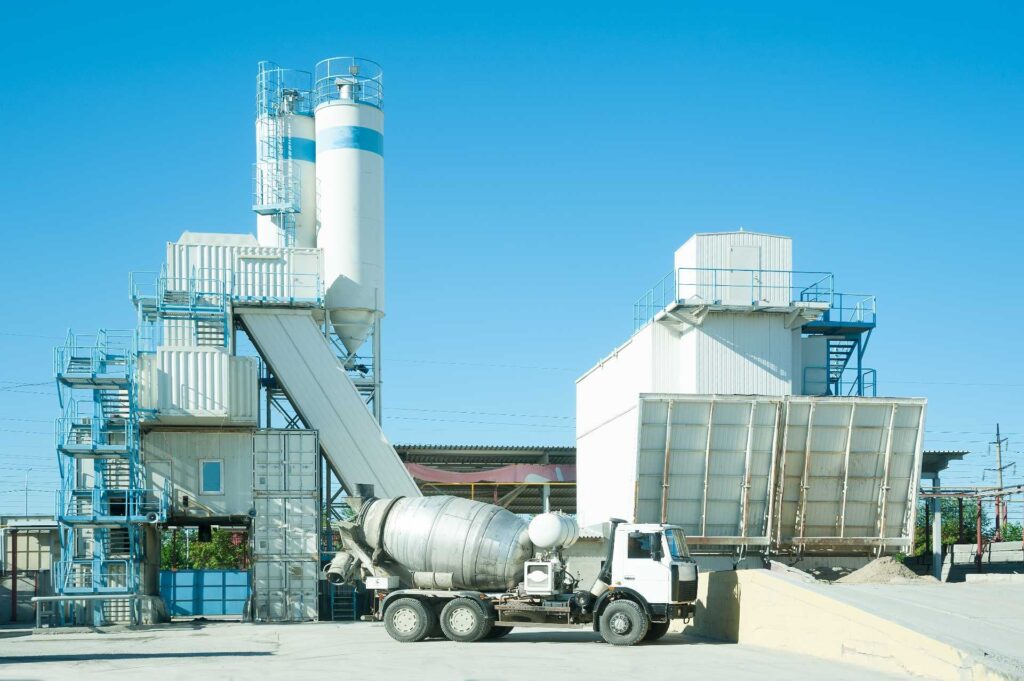
This example is drawn from one of Restorical Research’s past engagements and illustrates how secondary evidence can be used to recover historical insurance coverage.
A long-standing concrete and asphalt batch plant was forced to shut down after regulators discovered contamination threatening a nearby drinking water supply. The business faced millions in cleanup costs but had no record of its historical insurance policies. Decades of ownership changes and mergers had erased the paper trail, leaving the owners convinced they had no coverage to fall back on.
Our insurance archaeologists pieced together the company’s corporate lineage and operational history. Through accounting records, broker correspondence, and old premium invoices, they uncovered consistent references to multiple insurers spanning nearly half a century.
Armed with that documentation, the insurance archaeologists worked alongside legal counsel to present the findings to each insurer. The court found the evidence sufficient to confirm historical coverage, leading insurers to fund every phase of site remediation and post-cleanup monitoring. What started as a potential financial collapse ended with full coverage recovery.
Challenges and Misconceptions About Secondary Evidence
Recovering coverage through secondary evidence is a viable strategy for business owners, but several common obstacles can slow or complicate the process. Recognizing these challenges and how insurance archaeologists address them helps clarify what’s possible.
- Assuming missing policies mean no coverage. Many businesses give up when they can’t locate their original insurance documents. In reality, credible secondary evidence can prove coverage existed and is still valid.
- Incomplete or fragmented records. Decades of office moves, reorganizations, or poor storage can scatter key documents. Insurance archaeologists piece together such evidence from multiple sources to rebuild a full coverage history when the burden shifts to proving lost coverage.
- Corporate changes or name variations. Mergers, acquisitions, and rebrandings often obscure which entity held the policy. Establishing corporate succession ensures coverage follows the responsible business.
- Defunct or merged insurance carriers. Carrier mergers and dissolutions make it difficult to locate the modern insurer responsible for old policies. Experts trace these transitions through regulatory filings and market records.
- Inconsistent or unauthenticated evidence. Handwritten notes or photocopies may lack clear verification. Cross-referencing multiple independent sources helps confirm authenticity and avoid disputes that could involve unwarranted complexities.
- Missing or ambiguous policy terms. Even when coverage is proven, the limits and exclusions may not be. Insurance archaeologists use standard policy forms from the same era to reconstruct missing terms.
- Insurer skepticism or delay. Some insurers initially question reconstructed coverage. Presenting a clear, well-documented evidence trail supported by expert testimony often leads to a successful resolution.
- Time sensitivity and regulatory pressure. Environmental agencies may require immediate action before coverage is confirmed. Early involvement of insurance archaeologists can preserve evidence and prevent rushed or incomplete claims.
When to Contact an Insurance Archaeologist
Many businesses wait until cleanup orders or lawsuits arrive before seeking help, but reaching out early can save significant time and money. Contacting an insurance archaeologist is especially important if you’ve been notified of contamination, if the business has changed hands over the years, or if older insurance records are missing. The same applies if you’re buying or selling a property with legacy pollution or if regulators, lenders, or an advisory committee are asking for proof of coverage.
Early involvement helps preserve evidence, coordinate with legal and regulatory teams, and build the coverage history needed for remediation. The instant rule specifies that timely documentation prevents complications, and simply preferring early consultation gives you the strongest chance of recovery. Insurance archaeologists can identify relevant policies, verify secondary evidence, and help secure insurance funds that offset or fully cover cleanup costs.
If you believe your business may have historical coverage that could help pay for environmental cleanup or legal defense, contact Restorical Research to evaluate your site’s recovery potential.