
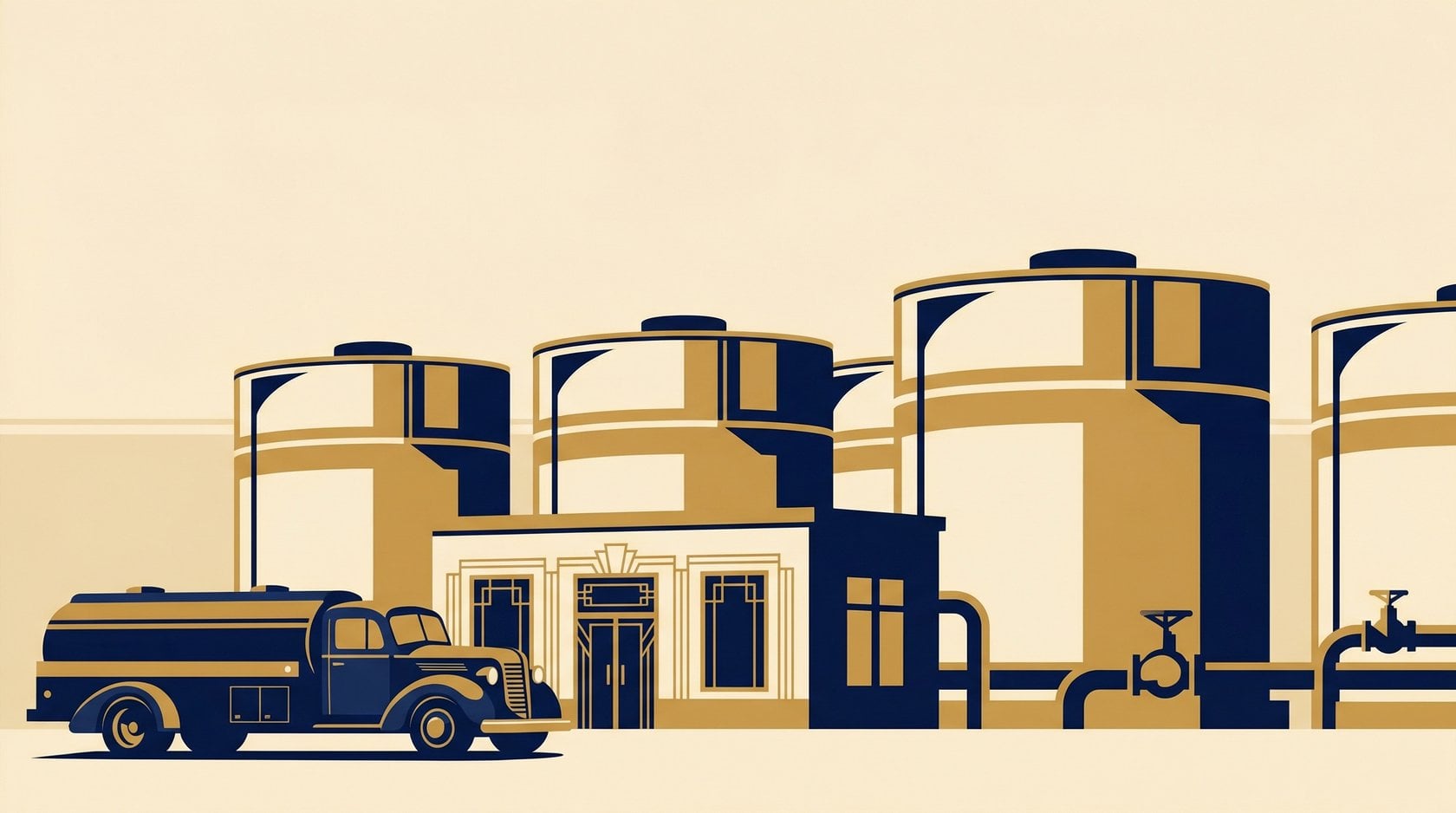

This property has a documented history as a bulk fuel distribution terminal predating 1986. Historical insurance policies issued during those prior operations and through 1986 could fund a cleanup.
This property operated as a bulk fuel distribution facility — the Standard Oil site at the Madison Avenue and Parfitt Way intersection on Bainbridge Island — distributing stove, furnace, and fuel oil to the surrounding area before closing in the mid-1970s. A Site Hazard Assessment has documented contamination linked to a historic release from an old delivery line at the site. Past activity included removal of the storage tanks, with one empty 500-gallon aboveground storage tank remaining on-site; no active remediation is currently underway. That history could support an insurance cost recovery claim against carriers who issued insurance policies 40+ years ago.
Why Historical Insurance Policies May Be Accessible
Pre-1986 Commercial General Liability (CGL) policies were occurrence-based and did not contain an effective pollution exclusion in Washington. If contamination occurred while those policies were active, those historical insurance carriers may still have a legal obligation to fund the cleanup costs, even if the business closed or the property changed hands.
Fuel oil distribution at this property occurred entirely before 1986, and the contamination traced to an old delivery line and a historic release originated during the era when occurrence-based Commercial General Liability policies had no effective pollution exclusion. The facility's closure in the mid-1970s places the contamination-causing operations squarely within the window those pre-1986 policies were written to cover. The cleanup costs this site faces — investigation, design, and future remediation — could plausibly be funded by historical carriers whose policies were in force while petroleum products were actively stored and distributed here.
Restorical's role is to locate viable historical policies, determine whether a successful coverage claim is possible, and assist our clients and their legal counsel to obtain insurance coverage. Restorical then manages the claim, including accounting, to ensure the cleanup is funded in a timely manner.
What We Look For
- Historical insurance policies (pre-1986)
- Policy numbers, carrier names, and coverage periods
- Connection between contamination timing and policy period
- Evidence linking cleanup obligation to insured activity
What We Deliver
- Historical Coverage Chart
- Trigger Analysis & Property/Policy Nexus
- Coverage strategy with recommendations
- Insurance funding for your remediation
- Claims Management & Forensic Accounting
The Restorical Proven Process
Ready to learn more?
Contact UsThis analysis is preliminary and based on publicly available records. Restorical Research is not a law firm and does not provide legal advice.