
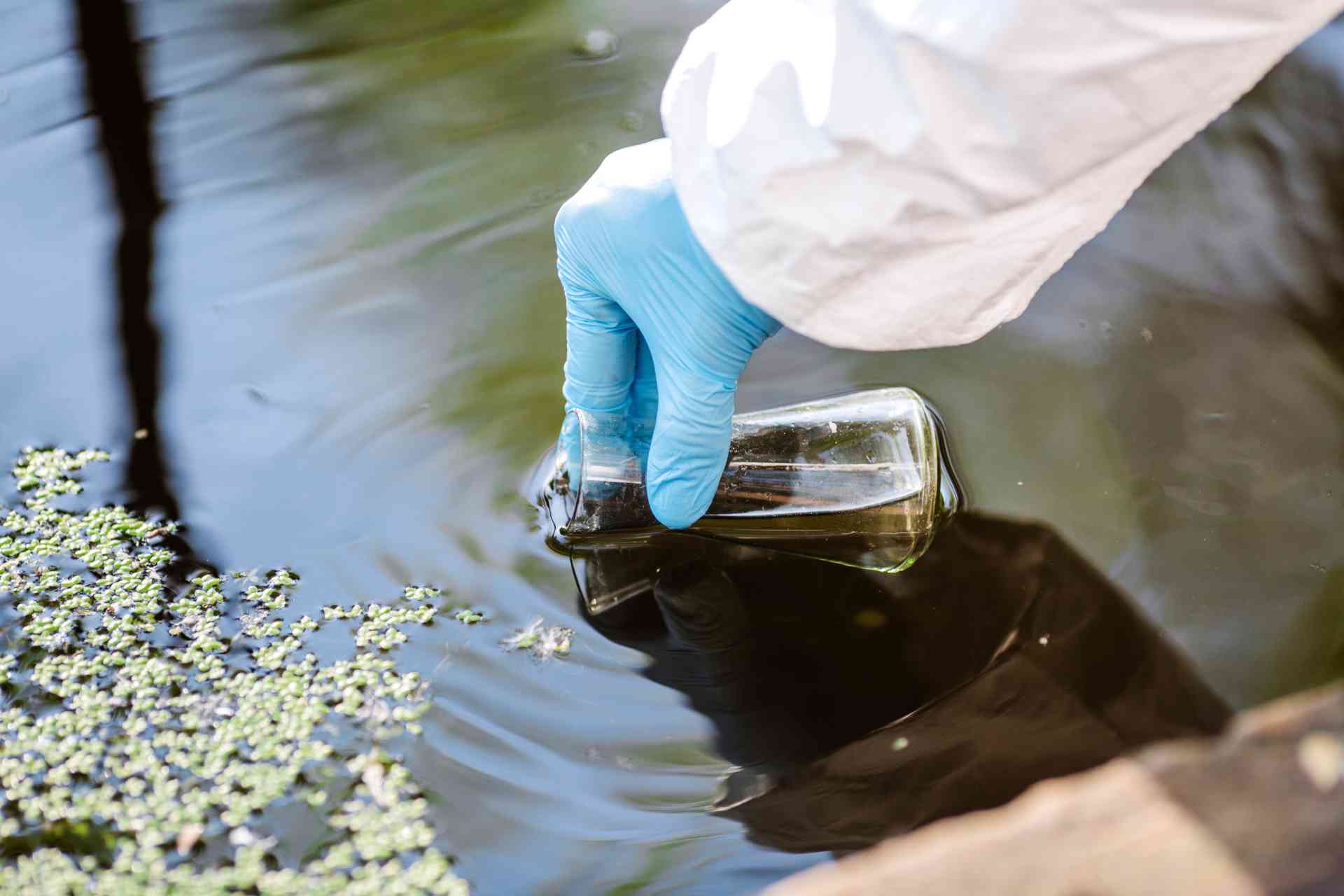
Soil and groundwater remediation is the process of cleaning up contaminants absorbed into the ground through spills, leaks, or years of industrial or commercial activity. These contaminants can include petroleum, solvents, heavy metals, and other chemicals that pose risks to human health, drinking water, and the environment.
When contamination is discovered, remediation focuses on identifying where land pollutants are located, how far they’ve spread, and what actions are needed to remove or contain them safely. Depending on the site, this can mean excavating affected soil, treating groundwater in place, or installing systems that prevent further migration.
For business and property owners, soil and groundwater remediation is often more than an environmental responsibility. It’s a legal and financial obligation. State or federal regulators typically require cleanup before a property can be redeveloped, sold, or certified as safe for future use. Even when not legally mandated, many owners choose to remediate voluntarily to protect property value, attract buyers or tenants, and prevent future liability. Remediation is a cornerstone of environmental management across industries, restoring land and groundwater so they can be used safely again.
How Soil and Groundwater Contamination Occurs
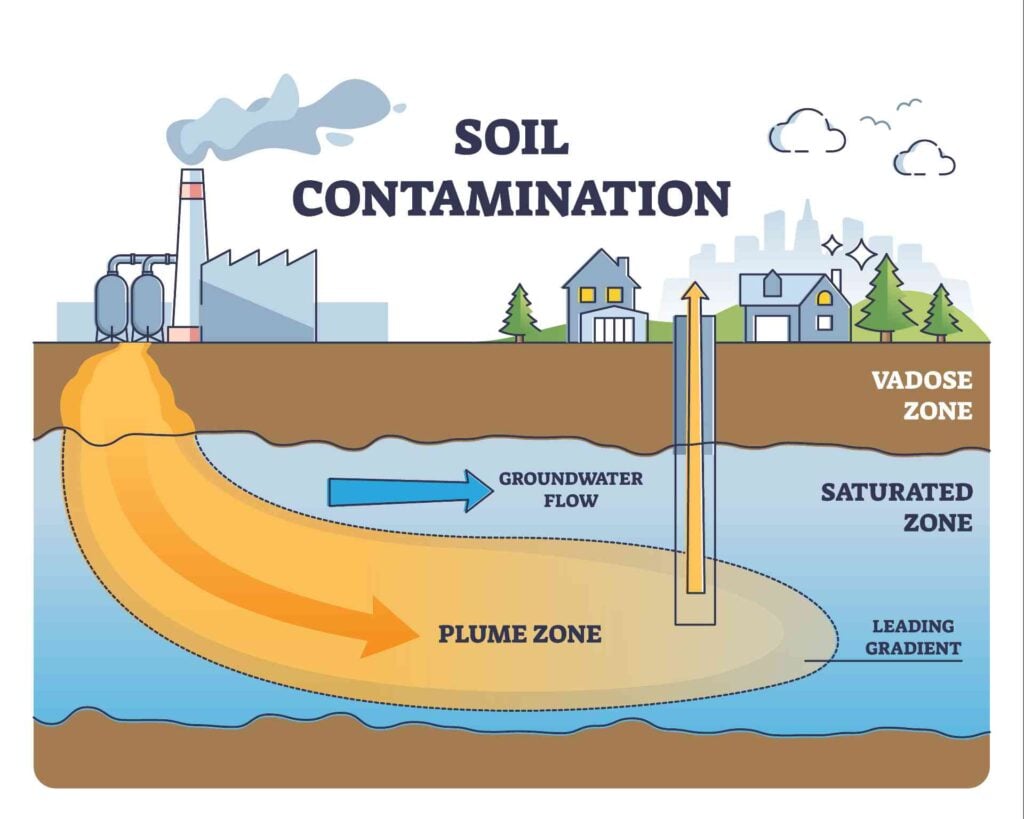
Soil and groundwater contamination, often from routine business activities, can develop gradually, going unnoticed for years. When chemicals, fuels, or waste materials are spilled or stored improperly, they can seep into the ground and migrate through the soil until they reach the water table. Once contaminants enter the groundwater, they can move far beyond the source, affecting neighboring properties, wells, and ecosystems. Common sources of groundwater contamination include:
- Leaking underground storage tanks (USTs): Older steel tanks, often used at gas stations for gasoline and diesel, corrode over time, allowing petroleum and related chemicals to leak into surrounding soil and groundwater.
- Dry cleaning operations: Many dry cleaners historically used perchloroethylene (PCE), a chlorinated solvent that can migrate deep underground and persist for decades without breaking down.
- Industrial waste, degreasing, and solvent use: Factories, machine shops, and repair facilities frequently used degreasing chemicals like trichloroethylene (TCE), which can volatilize into soil gas and contaminate groundwater.
- Fuel handling and storage at commercial sites: Gas stations, transportation yards, and bulk plant facilities may have experienced fuel spills or overflows during routine operations, leaving residual petroleum hydrocarbons behind.
- Agricultural and farming activities: Fertilizers, herbicides, pesticides, organic contaminants, and other forms of agricultural runoff applied to farmland can leach nitrates, phosphates, and other chemicals into groundwater, especially in sandy or shallow soils.
- Landfills, disposal, and hazardous waste sites: Older dump sites without liners or leachate controls often release a mixture of organic waste, metals, and chemicals that migrate downward into groundwater over time.
- Legacy infrastructure and fill materials: Historical industrial fill, buried drums, or contaminated building materials can continue releasing pollutants long after a property’s original use has ended.
Why and When Remediation Is Required
Environmental remediation becomes necessary when contamination poses a risk to people, property, or the environment, or when regulators require cleanup to bring a site back into compliance. Many small business owners first encounter this process during a property transaction, redevelopment project, or permit review. Others discover contamination unexpectedly during maintenance or environmental testing.
Remediation is typically required when contamination levels exceed state or federal standards. These standards, set by agencies such as the Environmental Protection Agency (EPA) or state environmental departments, are designed to protect drinking water sources, soil quality, and public health. Even if contamination doesn’t yet threaten nearby wells or surface water, the mere presence of regulated substances in soil or groundwater can trigger mandatory investigation and cleanup. Common situations that require remediation include:
- Property sales or refinancing: Environmental due diligence often reveals legacy contamination that must be remediated before a lender or buyer proceeds.
- Redevelopment or construction: Excavation and grading can expose contaminated soil that was previously buried or contained.
- Regulatory enforcement: Agencies may issue cleanup orders when monitoring data or inspection results show contamination above acceptable limits.
- Leaking infrastructure: Failing underground tanks, lines, or sumps can release pollutants that require immediate action.
- Environmental complaints or health impacts: Reports of odors, discolored water, or illness linked to site activities can trigger investigations and cleanup requirements.
Ignoring known contamination can have serious financial and legal consequences. Regulators may impose penalties, restrict property use, or require costly emergency measures if contamination spreads. Even without formal enforcement, unresolved environmental issues can reduce property value, deter investors, and complicate future sales.
How Soil and Groundwater Remediation Works
Most groundwater and soil remediation follows a structured process designed to identify contamination, develop an appropriate cleanup strategy, and verify that the problem has been resolved. While every site is unique, most projects move through four main stages: investigation, remedy selection, implementation, and closure.
1. Investigation and Mapping
The first step is understanding what contaminants are present, how far they’ve spread, and how they interact with local soil and groundwater. This is generally accomplished through Phase I and Phase II environmental site assessments, where environmental consultants collect samples, analyze lab results, and create maps showing the extent of contamination. This data provides the foundation for selecting the right cleanup approach.
2. Remedy Selection
Once the scope is clear, engineers and environmental professionals evaluate cleanup options based on factors like contaminant type, geology, accessibility, and regulatory requirements. The goal is to choose a strategy that’s both effective and economically feasible while minimizing disruption to property use.
3. Implementation
During implementation, the chosen methods, such as excavation, in-situ treatment, or groundwater pumping, are carried out under regulatory oversight. This phase may take months or years, depending on site complexity, and it often includes installing treatment systems and monitoring wells to track progress.
4. Monitoring and Closure
After cleanup, long-term monitoring ensures contaminant levels continue to decline and remain below regulatory limits. When agencies determine the site meets cleanup criteria, it’s granted “closure,” confirming that no further remediation is required. Many properties continue to undergo periodic testing to verify ongoing safety.
Remediation is a collaborative effort involving consultants, engineers, regulators, and property owners. The process requires careful planning and documentation at each stage to create records that are essential when pursuing cost recovery through historical insurance coverage.
Common Techniques for Remediating Contaminated Soil and Groundwater
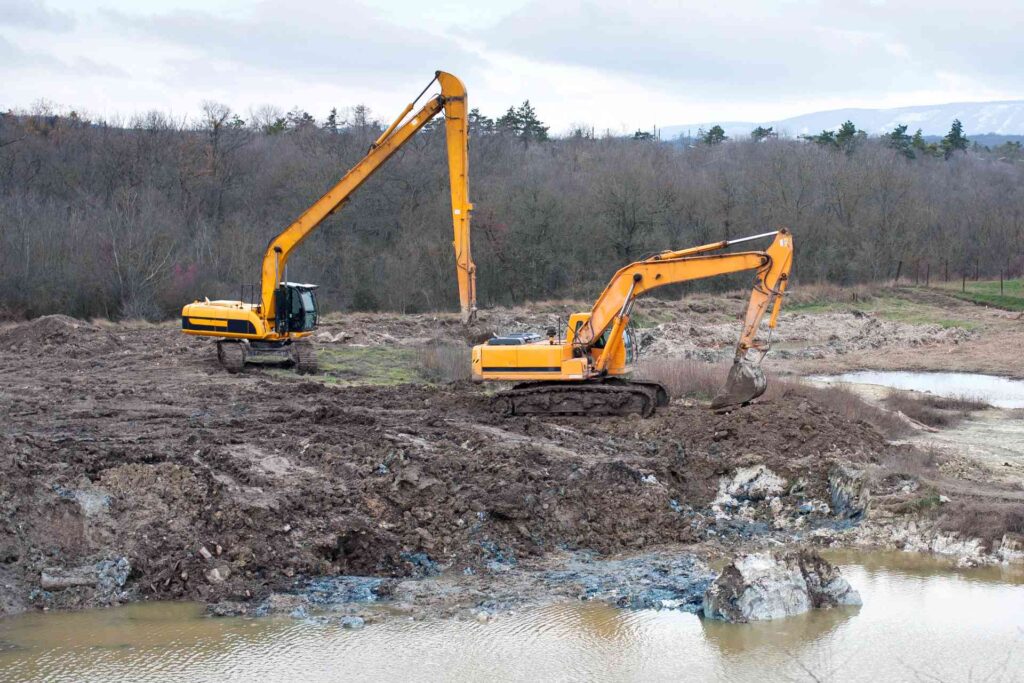
Remediation methods are selected based on the site’s conditions, the contaminants involved, and the cleanup goals. Most projects use a combination of these techniques to meet regulatory standards efficiently and safely.
| Remediation Technique | Description |
|---|---|
| Excavation and off-site disposal | This method removes contaminated soil from the ground and transports it to an approved disposal facility, replacing it with clean fill to eliminate pollution sources near the surface. Soil washing is sometimes used alongside excavation to separate and remove contaminants from soil particles using water or chemical solutions before disposal or reuse. |
| Soil vapor extraction (SVE) and air sparging | These techniques use air movement to remove volatile contaminants from the subsurface. SVE pulls vapors out of the soil, while air sparging injects air below the water table to push volatile compounds upward for treatment. |
| Pump and treat | This approach pumps contaminated groundwater to the surface, treats it using filtration or chemical treatments, and then returns the cleaned water to the aquifer or discharges it safely. |
| In-situ chemical oxidation/reduction (ISCO/ISCR) | In-situ remediation injects reactive chemicals directly into the contaminated area underground, where they break down pollutants such as solvents or petroleum compounds into less harmful substances. |
| Bioremediation and enhanced natural processes | This method uses or stimulates naturally occurring microorganisms to break down contaminants through biological processes into harmless byproducts, often by adding nutrients or oxygen to support microbial activity. |
| Thermal treatment (in-situ or ex-situ) | Thermal treatment applies heat to polluted soil or groundwater, vaporizing or destroying pollutants like solvents and hydrocarbons that are difficult to remove through other means. |
| Hydraulic or physical containment | This approach installs barriers such as slurry walls, caps, or cutoff trenches around a contaminated site to prevent the spread of pollutants through soil or groundwater movement. |
| Monitored natural attenuation (MNA) | MNA relies on natural biological, chemical, and physical processes to gradually reduce high concentrations of contaminants over time, with periodic monitoring to ensure that cleanup goals are being met. |
Other Forms of Environmental Remediation
While soil and groundwater remediation are among the most common and costly forms of cleanup, they’re only one part of environmental remediation that addresses contamination across different media. Each type of remediation targets specific pollutants and environmental pathways but shares the same goal: restoring land, water, and air to safe and usable conditions.
| Form of Remediation | Description |
|---|---|
| Sediment remediation | This process removes or stabilizes contaminated sediments in rivers, lakes, and harbors, often through dredging, capping, or in-situ treatment to protect aquatic life and downstream water quality. |
| Surface water remediation | Surface water remediation treats pollutants in ponds, streams, and reservoirs using filtration, aeration, or chemical processes to restore safe water conditions and prevent recontamination from surrounding land. |
| Vapor intrusion mitigation | This approach prevents harmful vapors from underground contamination, such as volatile organic compounds (VOCs), from entering buildings by installing vapor barriers or sub-slab ventilation systems. |
| Air remediation | Air treatment systems remove airborne contaminants or industrial emissions using technologies like carbon filtration, catalytic oxidation, or scrubbing systems to meet regulatory air quality standards. |
| Building material abatement | This process eliminates hazardous substances such as asbestos, lead-based paint, PCBs, or mold from buildings to make them safe for renovation, demolition, or continued use. |
| Landfill and mine reclamation | These projects stabilize waste areas by installing liners, caps, and leachate or gas collection systems to prevent further environmental release and enable safe reuse of the land. |
| Radiological remediation | A specialized cleanup that removes or isolates radioactive materials from soil, water, and structures, ensuring compliance with strict exposure limits for workers and the public. |
| Ecological restoration | After contaminants are removed, restoration efforts rebuild natural habitats and ecosystems, such as wetlands, riparian zones, and native vegetation, to restore ecological health and biodiversity. |
| Wastewater remediation | This process treats contaminated or used water from industrial, commercial, or municipal sources to remove pollutants before it’s discharged or reused, protecting surrounding soil, groundwater, and surface water from further contamination. |
Funding Groundwater and Soil Remediation
Remediation can be one of the most significant unexpected costs a property owner faces. Expenses depend on the size of the site, the type of contaminants involved, and how far they’ve spread. Even relatively small projects can reach hundreds of thousands of dollars once site assessments, regulatory oversight, and long-term monitoring are factored in.
Funding often comes from a combination of private and public sources. Property owners or responsible parties typically bear initial cleanup costs, while state or federal programs may provide financial assistance for certain cleanup efforts, especially those affecting public health or community redevelopment. In some cases, local grants or brownfield programs can help offset investigation and planning expenses.
Recover Cleanup Costs Through Restorical Research
Because remediation can take years and require continuous reporting, identifying potential funding early in the process can make the difference between a manageable project and an overwhelming financial burden. For many small businesses, the most significant and often overlooked source of funding lies in historical insurance coverage. Many soil and groundwater cleanup projects trace back to contamination that began decades ago, long before current environmental standards or modern insurance exclusions. During those years, most businesses carried commercial general liability (CGL) policies that covered environmental damage. These older policies can sometimes be recovered and enforced to pay for investigation and cleanup expenses today, even if the policy documents themselves are long lost.
Restorical Research helps property and business owners uncover and recover their remediation costs through insurance archaeology. Our team locates and reconstructs historical insurance policies, reviews coverage terms, and works with environmental consultants and attorneys to prepare claim-ready documentation.
For many small business owners, this process has transformed six- and seven-figure remediation liabilities into fully funded cleanup efforts. If you’re facing soil or groundwater contamination, don’t assume you’re alone in covering the cost. Contact Restorical Research today to find out whether your historical insurance coverage can help pay for remediation and protect your business’s future.