

Groundwater resources are some of the most important on the planet. This water supply provides drinking water for nearly half of the U.S. population, supports agriculture, and feeds into rivers, lakes, and wetlands. Despite its importance, groundwater is often vulnerable to contamination, especially on properties with a history of industrial, agricultural, or commercial use.
For business owners, understanding how groundwater pollution happens is a matter of legal compliance, asset value, and financial risk, in addition to environmental responsibility. Whether you’re planning to redevelop a site, sell a property, or simply ensure safe operations, understanding the sources of groundwater contamination is crucial for making informed decisions.
What Is Groundwater Pollution?
Groundwater pollution occurs when toxic substances seep into the soil and migrate to underground aquifers that store water. These groundwater aquifers can span miles beneath the surface and are often hidden from view, which means contamination can go unnoticed for years, sometimes even decades, until a problem surfaces during property transfer, redevelopment, or environmental testing.
The sources of pollution vary, but the pathways are often the same. Spills, leaks, or improper disposal practices at or near the surface can introduce toxic chemicals and waste into the ground. Rainwater or irrigation can carry those substances deeper, eventually reaching the water table. Once there, contaminants can persist for years, spread beyond the original source, and even disrupt natural habitats connected to springs, wetlands, or surface water, contributing to broader surface water pollution.
Common Groundwater Pollutants
Groundwater pollution accumulates over time, often as a result of routine industrial, agricultural, or commercial activity. Many pollutants persist underground, especially in clay soils or fractured bedrock, where water moves slowly. Understanding what contaminants may be present on your property is the first step toward assessing environmental risk. Many of these pollutants are regulated under federal and state drinking water quality standards due to their significant human health impacts.
The table below outlines some of the most common groundwater contaminants found at contaminated sites, along with their typical sources and known public health risks.
| Groundwater Pollutants | Common Sources | Potential Health Risks |
| Benzene | Gasoline, petroleum refining, leaking underground storage tanks (USTs) | Cancer, blood disorders, nervous system effects |
| Toluene | Paint thinners, adhesives, gasoline | Kidney and liver damage, nervous system effects |
| Xylenes | Fuel, solvents, vehicle emissions | Headaches, dizziness, respiratory issues |
| Ethylbenzene | Gasoline, industrial solvents | Inner ear damage, dizziness, possible cancer risk |
| Methyl Tertiary Butyl Ether (MTBE) | Gasoline additive (especially pre-2005) | Possible carcinogen, foul taste and odor in polluted water |
| Perchloroethylene (PCE) | Dry cleaning, degreasing agents | Liver damage, increased cancer risk |
| Trichloroethylene (TCE) | Metal cleaning, degreasing, industrial solvents | Kidney cancer, immune suppression |
| Carbon Tetrachloride | Industrial degreasers, grain fumigants | Liver and kidney toxicity; probable carcinogen |
| Lead | Industrial waste, leaded pipes, battery disposal | Developmental delays, neurological damage |
| Arsenic | Mining, pesticides, natural deposits | Cancer, skin lesions, cardiovascular disease |
| Nitrates/Nitrites | Fertilizers, animal waste, septic tanks and systems | Methemoglobinemia, thyroid issues |
| Pathogens (E. coli, etc.) | Sewage, septic systems, livestock runoff | Gastrointestinal illness, infections |
| Petroleum hydrocarbons | Fuel leaks, tank spills, garages | Cancer, organ damage, immune suppression |
| Chlorinated solvents | Degreasers, dry cleaners, metal finishing | Liver and kidney toxicity, cancer risks |
| PFAS (e.g., PFOA, PFOS) | Firefighting foam, coatings, plating, manufacturing | Hormonal disruption, liver damage, immune system effects |
| Ammonia | Fertilizers, food processing, sewage | Respiratory irritation, aquatic toxicity |
| Cadmium | Metal plating, batteries, pigments | Kidney damage, bone demineralization |
| Mercury | Mining, landfill leachate, electrical equipment | Neurological disorders, developmental toxicity |
| Chromium-6 | Electroplating, dyes, leather tanning | Lung cancer, liver and kidney damage |
| Selenium | Mining, agriculture, electronics | Hair/nail brittleness, nervous system effects |
| Volatile Organic Compounds (VOCs) | Solvents, paints, fuels, cleaning agents | Organ toxicity, headaches, cancer (depends on compound) |
| Phthalates | Plastics, personal care products, landfill leachate | Endocrine disruption, reproductive effects |
| Manganese | Naturally occurring, industrial runoff | Neurological effects with long-term exposure |
| Radon | Natural uranium decay in soils and rocks | Lung cancer (inhaled via vapor intrusion or water use) |
| Radioactive substances (e.g., Tritium, Cesium-137, Strontium-90) | Nuclear power plants, fuel processing, radioactive waste storage | Increased cancer risk, genetic mutations, and organ damage due to ionizing radiation exposure |
How Industries Contribute to Groundwater Pollution
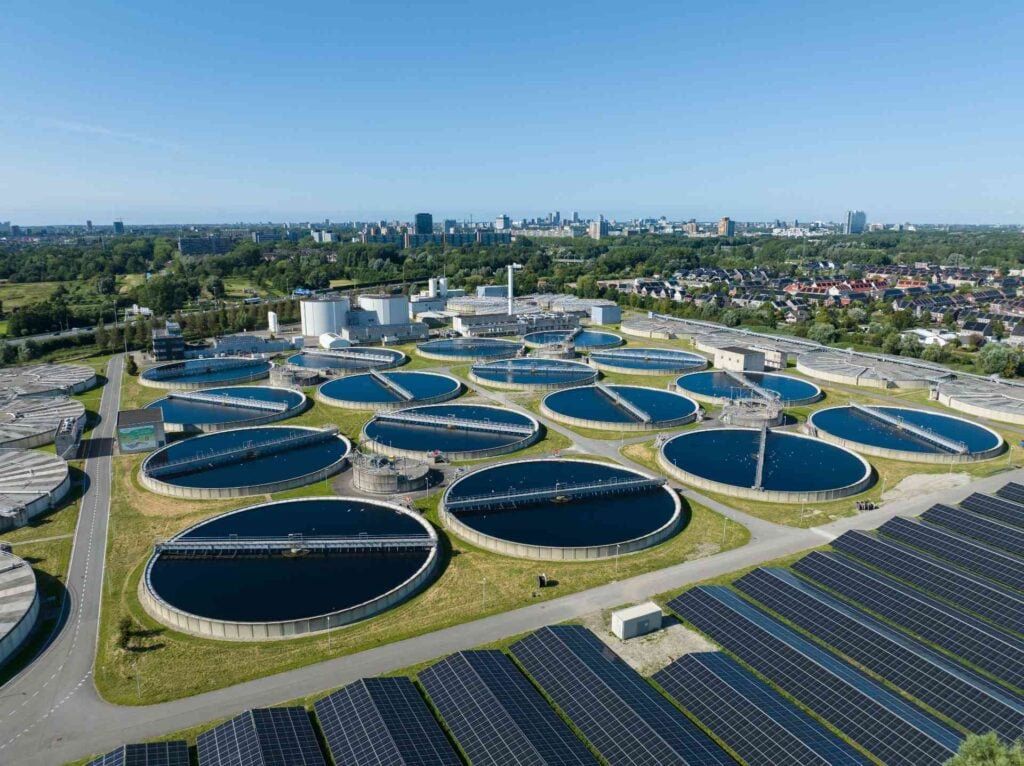
Most groundwater pollution isn’t the result of a single catastrophic spill. It typically builds up gradually as pollutants seep through the soil and accumulate in underground aquifers. For much of the 20th century, the “standard of care” for managing chemicals, fuels, and waste did not account for long-term impacts. Businesses operated with fewer containment measures, and environmental regulations were limited or nonexistent. It wasn’t until the late 1970s and into the 1980s, when agencies such as the Environmental Protection Agency (EPA) began introducing stricter standards, that industries were significantly constrained by best practices and legal requirements.
As a result, many of the contamination sources in the table below began decades ago, often tied to now-obsolete processes, storage methods, or disposal practices. These historical activities have left pollutants in the soil and groundwater that still persist today, creating long-term environmental risks for current property owners.
| Industry | Typical Pollutants | How the Industry Contributes |
| Gas Stations & Fuel Distributors | Petroleum hydrocarbons, benzene, toluene, MTBE | Leaking underground storage tanks (USTs) can release gasoline or diesel into the surrounding soil. Before federal UST regulations were established in 1988, older single-walled steel tanks often developed small holes, cracks, or faulty piping that led to widespread subsurface contamination. |
| Industrial & Manufacturing Facilities | Chlorinated solvents, heavy metals, acids, degreasers | Businesses such as auto shops, dry cleaners, or tenants using industrial chemicals may have operated without proper containment, resulting in subsurface pollution. Federal and state solvent and VOC controls were largely introduced in the 1990s, leaving many older sites without protection. |
| Auto Repair Shops & Dry Cleaners | PCE, TCE, petroleum hydrocarbons, heavy metals | The use and disposal of chlorinated solvents for degreasing and cleaning, often with minimal containment, have left lingering contamination at many legacy sites. Alternatives were not widely explored until EPA research into water-based cleaning methods began in 1997. |
| Landfills & Dump Sites | Leachate (a mix of organics, heavy metals, solvents, pathogens) | Older, unlined landfills generated contaminated liquid, known as leachate, that migrated into aquifers. Federal standards requiring liners were not issued until 1991, meaning earlier facilities often allowed a broad mix of household, commercial, and industrial waste residues to enter groundwater. |
| Farming & Agricultural Operations | Nitrates, ammonia, pesticides, herbicides, pathogens | Fertilizers, manure, and pesticides applied to agricultural land or stored improperly can leach into groundwater, especially in areas with shallow water tables or sandy soils. Federal regulation of nitrate and nitrite levels in drinking water began in 1991, after decades of unregulated use. |
| Waterfront & Maritime Sites | Petroleum hydrocarbons, solvents, heavy metals | Past human activities at ports, shipyards, and bulk handling facilities have included fuel and oil spills, degreasing, and filling with industrial waste, often adjacent to or directly over aquifers. While the SPCC rule under the Clean Water Act was introduced in 1974 to prevent oil discharges, many earlier spills occurred before such measures were in place. |
| Commercial & Mixed-Use Properties | Petroleum hydrocarbons, solvents, nitrates, VOCs | Businesses such as auto shops, dry cleaners, or tenants using industrial chemicals may have operated without proper containment, resulting in subsurface pollution. Federal and state solvent and VOC controls were largely introduced in the 1990s, leaving many older sites without protections. |
| Construction & Demolition Sites | Diesel, oils, concrete washout, VOCs | Activities like fueling, storage of hazardous chemicals, equipment cleaning, and improper waste disposal can lead to spills or runoff. Requirements such as the asbestos NESHAP notification rules in the early 2000s came long after decades of unmanaged demolition debris and chemical runoff. |
| Mining Operations | Arsenic, lead, cadmium, selenium, acid mine drainage | Exposed rock and waste from mining can release acid and heavy metals into the surrounding environment, particularly when tailings or pits are not contained or abandoned. No single federal regulation comprehensively addressed acid mine drainage during much of the industry’s history. |
| Food Processing Facilities | Ammonia, organic waste, grease, nitrates | Effluent from processing, cleaning agents, and spoiled materials can leach into groundwater if systems are overwhelmed, leaking, or not maintained. Federal regulation of ammonia and grease-related groundwater contamination remains fragmented, with many historical discharges occurring without oversight. |
| Hospitals & Medical Facilities | Pharmaceuticals, solvents, radioactive materials | Disposal of medical waste, lab chemicals, or expired medications — especially at older facilities — has led to the release of persistent and bioactive contaminants into groundwater. Federal standards for hazardous waste from healthcare facilities emerged only gradually, leaving earlier operations largely unregulated. |
| Military Installations | PFAS, VOCs, fuels, heavy metals | Training areas, aircraft maintenance zones, and fire suppression testing sites have released long-lasting contaminants into groundwater through repeated use over large areas. PFAS contamination in particular was not addressed by federal guidance until the 2000s, decades after routine use began. |
| Wastewater Treatment Plants | Nutrients, pathogens, pharmaceuticals, industrial waste | Sludge mismanagement, infrastructure leaks, improper water disposal, or accidental overflows of untreated wastewater can lead to direct groundwater contamination. Federal standards for wastewater discharge date back to the 1970s, but older plants often operated with minimal groundwater protection measures. |
| Nuclear Power Plants & Fuel Processing Facilities | Radioactive substances (tritium, strontium-90, cesium-137), heavy metals | Leaks from spent fuel storage pools, underground piping failures, or disposal practices can introduce radioactive isotopes into groundwater over time. Federal oversight under the Atomic Energy Act dates to the 1950s, but even regulated releases may contribute to long-term contamination. |
How Groundwater Pollution Is Discovered
Groundwater contamination often remains hidden for years, sometimes decades, until something triggers a closer look. Because aquifers are underground and contamination can migrate from nearby properties, issues may not be visible until they’re uncovered during investigation or development. Here are the most common ways groundwater pollution is discovered.
- Real estate transactions: Environmental due diligence is a standard part of buying, selling, or refinancing commercial property. A Phase I Environmental Site Assessment (ESA) reviews the site’s history to flag potential risks, and if concerns are identified, a Phase II ESA may follow, which includes soil and groundwater testing.
- Redevelopment or construction projects: Excavation and construction activities often reveal hidden contamination. Even routine digging for utilities or foundation work can expose previously unknown issues.
- Regulatory inspections and permitting: Local, state, or federal agencies may require environmental reviews as part of the development, demolition, or operational permit process. These inspections sometimes uncover legacy contamination or leaking infrastructure.
- Neighboring site investigations: Contamination often crosses property lines. Pollution discovered at one site may prompt testing of adjacent properties, especially if groundwater flow patterns suggest migration.
- Complaints or health incidents: Foul smells, unusual groundwater quality, or health symptoms among nearby residents or employees can lead to testing that reveals deeper groundwater contamination.
- Routine environmental monitoring: Some industrial, utility, or waste-handling sites conduct regular groundwater sampling as part of compliance requirements. These programs can detect contamination before it becomes widespread.
- Stormwater or wastewater discharge monitoring: Facilities with discharge permits, such as those under the Clean Water Act, must monitor runoff and effluent. Abnormal results can prompt deeper investigation, leading to groundwater sampling.
- Voluntary cleanup programs: In some cases, property owners initiate testing proactively by enrolling in voluntary cleanup or brownfield redevelopment programs. These assessments often uncover historical contamination from previous land uses.
Regardless of how it’s discovered, identifying the extent of groundwater pollution is a critical first step. It informs what kind of cleanup is required, how much it might cost, and whether legacy activities or previous tenants may have contributed to the problem.
How Groundwater Pollution Is Cleaned Up
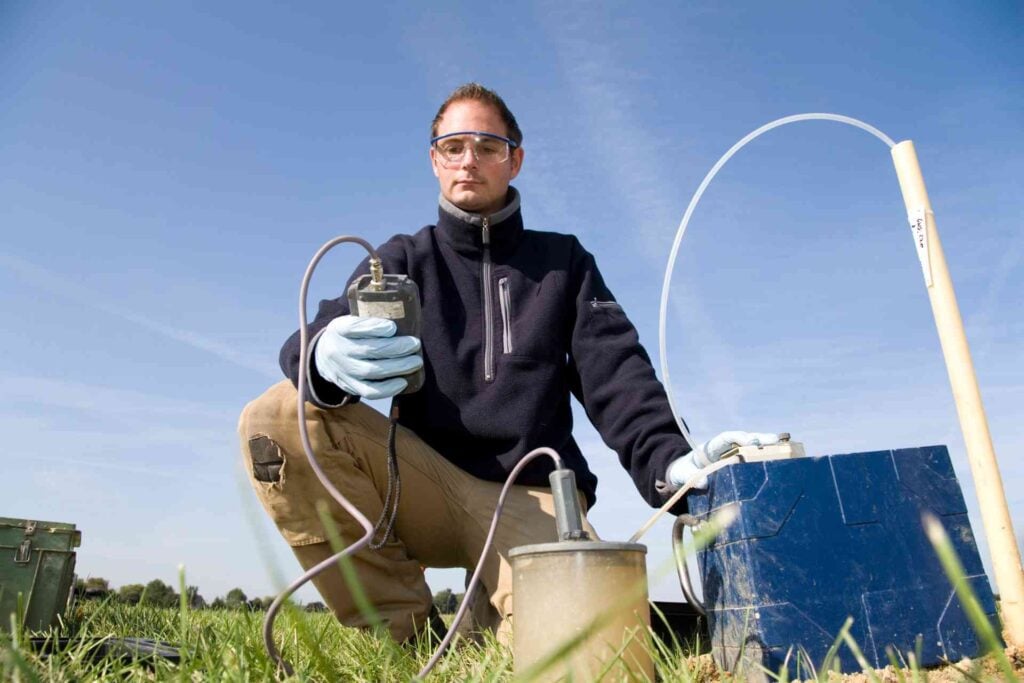
Cleaning up contaminants found in groundwater, also known as remediation, is a complex, highly regulated, and often extremely expensive process. Costs can range from hundreds of thousands to several million dollars, depending on the site’s size, the type of contaminants involved, and the extent of the pollution’s spread.
Cleanup is typically overseen by environmental consultants and regulated by state environmental agencies or the U.S. Environmental Protection Agency (EPA), depending on the site’s size, location, and severity of contamination.
There’s no universal solution. Cleanup methods must be tailored to the unique conditions of each site, including its geology, hydrology, contaminant behavior, and surrounding land use. In many cases, a combination of approaches is used to manage risk and bring a site closer to regulatory closure. Below are the most common polluted groundwater cleanup strategies.
Site Assessment and Delineation
Before any physical cleanup begins, the site is thoroughly investigated. Environmental consultants collect soil and groundwater samples to determine:
- What contaminants are present
- How deep and wide the contamination extends
- Whether the pollution has migrated beyond the property boundaries
This stage, called delineation, can take months and involve dozens of monitoring wells. It’s also where costs begin to add up. Without a clear understanding of the contamination’s scope, choosing an effective and regulator-approved remediation strategy isn’t possible.
Containment
When immediate cleanup isn’t feasible due to cost, technical limits, or risk of making things worse, containment strategies are used to control the spread of contamination:
- Slurry walls, which are low-permeability vertical barriers, are installed underground to prevent the lateral movement of contaminants.
- Caps or surface covers are placed over contaminated areas to keep rainwater from driving other contaminants deeper into the ground.
- Cutoff trenches can divert shallow groundwater flow away from the contamination zone.
These approaches don’t remove pollution but are often necessary to protect surrounding properties or groundwater supplies until full remediation is possible.
Pump-and-Treat Systems
This is one of the most commonly used and most expensive remediation methods. It involves:
- Pumping contaminated groundwater to the surface
- Treating it through filtration, air stripping, activated carbon, or chemical neutralization
- Reinjecting clean water back into the aquifer or releasing it to surface water
Pump-and-treat systems can operate for years or decades, with ongoing costs for electricity, maintenance, and monitoring. It’s reliable but slow and sometimes used in conjunction with other methods to improve results.
In-Situ Treatment
In-situ remediation treats the groundwater in place, without excavation, and can be more cost-effective under the right conditions:
- Chemical oxidation involves injecting reactive compounds, such as ozone, hydrogen peroxide, or permanganate, to break down pollutants.
- Bioremediation introduces or stimulates microbes that naturally degrade common contaminants, especially petroleum-based compounds.
- Air sparging and soil vapor extraction are used to remove volatile organic compounds by forcing air through the subsurface and capturing the resulting vapors.
These methods are ideal for sites where contamination is deep, under buildings, or otherwise difficult to access. However, they still require engineering controls, monitoring, and site-specific testing, which can incur significant upfront costs.
Excavation and Soil Removal
When contamination is shallow and localized, especially near the groundwater source, soil can be physically removed:
- Contaminated soil is excavated and hauled to a licensed disposal facility
- The area is then backfilled with clean soil
This method is often used to address hotspots before initiating longer-term groundwater cleanup. It’s fast and effective for surface contamination, but costs escalate quickly with depth or volume.
Monitored Natural Attenuation (MNA)
In low-risk cases, regulators may approve a plan to let nature do the work under strict monitoring:
- Natural processes, such as dilution, dispersion, microbial activity, and chemical breakdown, slowly reduce contaminant concentrations.
- Property owners must install monitoring wells and submit regular sampling data, which may be required for years.
While MNA may seem straightforward, the long-term monitoring and reporting obligations can be costly and time-consuming. Approval is only granted when evidence shows that contamination will degrade safely over time without human intervention.
Don’t Let Cleanup Costs Derail Your Plans
Groundwater contamination is often invisible, and the consequences can be devastating. For many businesses and property owners, discovering pollution underground can trigger a chain of costly requirements. Depending on the site’s size and the type of contamination, remediation can cost hundreds of thousands or even millions of dollars.
These expenses can halt redevelopment plans, complicate real estate deals, and strain even well-capitalized organizations. Worse still, many of these problems stem from past activities that occurred decades ago, often under different ownership.
What most property owners don’t realize is that the funds to cover these cleanup costs may already exist. Commercial general liability (CGL) policies issued before the mid-1980s often cover environmental damage long before pollution exclusions became the industry standard. Even if you no longer have the paperwork, those insurance policies may still be recoverable and enforceable today.
At Restorical, we help businesses and property owners uncover and capitalize on these historical insurance assets. If you’re facing a cleanup obligation or suspect contamination may exist on your property, our team can help you identify coverage options that can turn an overwhelming financial burden into a manageable path forward.