
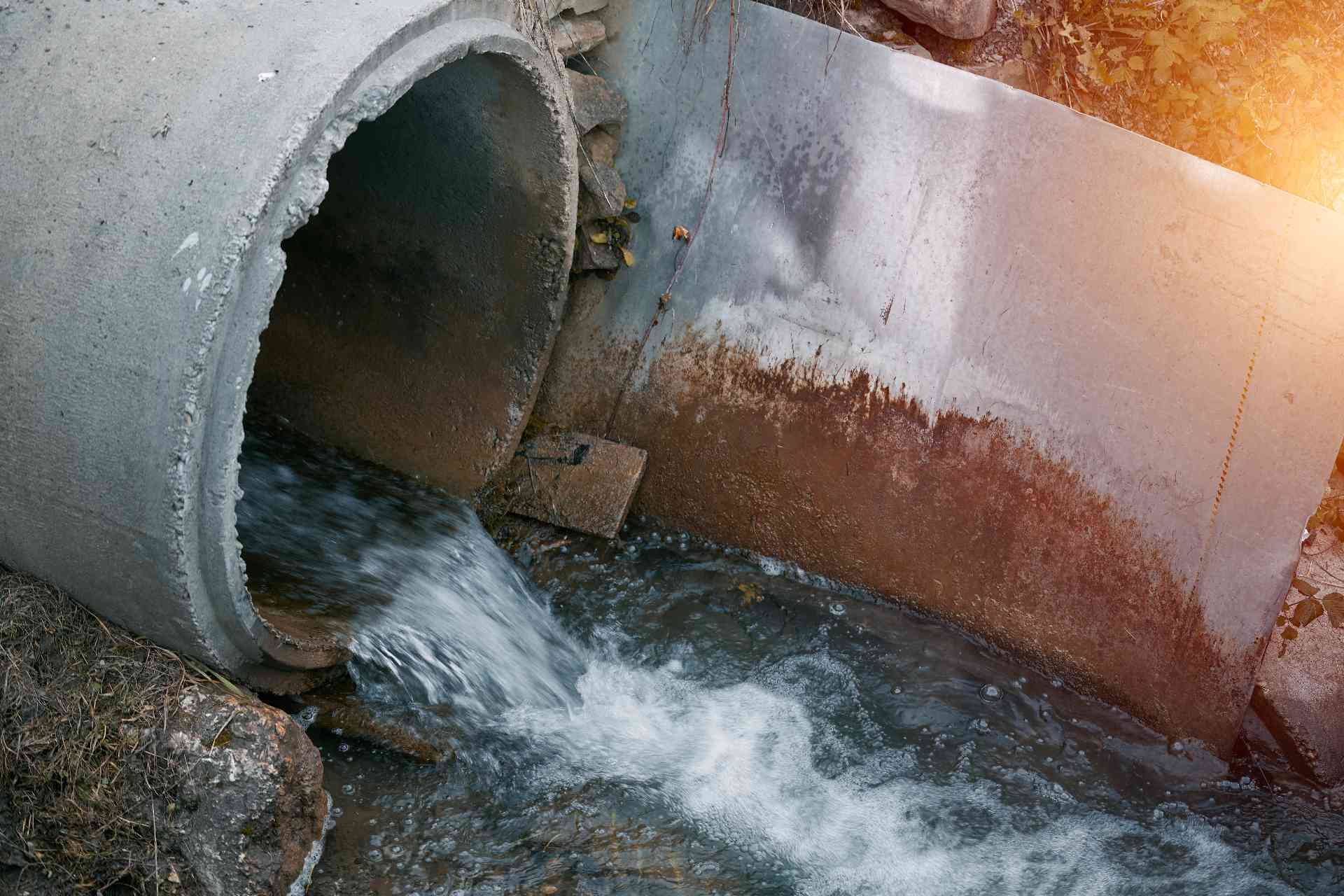
Groundwater contamination is one of the most persistent and costly environmental problems businesses can face. When pollutants seep into subsurface water, the impact can extend far beyond a single property, affecting drinking water supplies, nearby landowners, and entire communities. Cleanup is complex and often mandated by regulators, leaving companies responsible for remediation costs that can reach millions of dollars.
Due to the long lifespan of contaminants and the time it takes for them to surface, liability for groundwater pollution can emerge decades after business operations have ceased or changed. While no specific product called groundwater pollution insurance exists, coverage for groundwater contamination is typically found under environmental or pollution liability policies.
In this guide, we’ll explain how groundwater pollution insurance works, what it covers, what it doesn’t, and why understanding historical coverage is critical for managing long-term environmental liability.
What Is Groundwater Pollution Insurance?
Groundwater pollution insurance refers to coverage that protects businesses and property owners from the costs and liabilities associated with contamination that reaches subsurface water flowing beneath the earth’s surface through soil, sand, and rock formations. It is not a standalone policy but a component of broader environmental or pollution liability coverage. These policies help pay for cleanup expenses, legal defense, and damages that arise when pollutants migrate into groundwater and cause harm to people, property, or natural resources. This type of protection can appear in several types of insurance policies:
- Pollution legal liability (PLL): Provides coverage for third-party bodily injury, property damage, and cleanup costs caused by pollution conditions. PLL policies are often purchased by property owners or operators who want broad protection for both new and existing contamination.
- Site-specific environmental liability (SSEL): Focuses on contamination tied to a particular property, such as an industrial site or redevelopment area. These policies are frequently used during property transfers or redevelopment projects where prior land use may have left behind pollution.
- Contractors’ pollution liability (CPL): Protects contractors and subcontractors when their work unintentionally causes or worsens a pollution event. CPL policies are essential for companies handling excavation, demolition, or waste management projects.
- Historical commercial general liability (CGL): Refers to older liability policies, often written before the mid-1980s, that may still cover groundwater contamination today. Many of these policies predate absolute pollution exclusions, making them a potential source of recovery when modern insurance coverage does not apply.
For businesses with long operating histories, reviewing both past and current insurance policies is critical to identify potential protection. Overlapping layers of modern and historical coverage can make the difference between full remediation funding and significant out-of-pocket expenses.
What Does Groundwater Pollution Insurance Cover?

Groundwater pollution insurance is designed to protect businesses and property owners from the financial consequences of contamination that affects underground water sources. Depending on the policy type and insurer, it can include coverage for cleanup, third-party damages, and legal costs associated with pollution events. Typical areas of coverage include:
- Remediating historical sources: Pays for cleanup when pre-existing contamination is discovered during construction, redevelopment, or regulatory inspections.
- Cleanup costs: Covers expenses related to removing or containing pollutants released during current operations, including soil excavation, groundwater treatment, and system installation.
- Liability claims: Provides protection if a groundwater pollution event leads to lawsuits from neighboring property owners, residents, or regulatory agencies.
- Bodily injury: Addresses medical costs and compensation for individuals harmed by contaminated water or exposure to pollutants.
- Property damage: Covers harm to third-party property caused by migrating contaminants, such as damage to wells, soil, or infrastructure.
- Emergency response costs: Pays for the immediate actions needed to contain a release, prevent further migration, and comply with required notifications to environmental authorities.
- Natural resource damages: Covers the costs of restoring or compensating for damage to ecosystems, vegetation, or wildlife affected by contamination.
- Business interruption: Compensates for income loss and operational downtime resulting from remediation work or regulatory intervention.
- Transportation coverage: Extends protection to pollution events that occur during the transport of hazardous materials or waste to or from a covered location.
- Legal defense: Covers attorney fees, court costs, and settlements tied to groundwater contamination claims.
What’s Not Covered by Groundwater Pollution Insurance?
While groundwater pollution insurance offers broad protection, some important limitations and exclusions determine when coverage applies. Understanding these boundaries helps policyholders recognize potential gaps and identify where historical policies may still offer support. Common exclusions include:
- Known contamination: Pollution that was already identified or reported before the policy began is generally excluded, as insurers expect policyholders to disclose known risks before coverage is issued.
- Intentional acts or negligence: Coverage does not extend to deliberate disposal, concealment, or mishandling of hazardous materials. Policies are designed to respond to accidental or unforeseen releases, not willful actions.
- Gradual pollution under modern exclusions: Many modern general liability policies exclude slow or long-term releases, such as minor leaks that occur over years. However, older pre-exclusion policies may still provide coverage for these events.
- Regulatory fines and penalties: Civil or criminal penalties imposed by government agencies are typically uninsurable under environmental policies.
- Owned property cleanup: Some modern policies limit coverage to third-party damages, excluding cleanup of the insured’s own land or structures unless contamination has migrated offsite.
- Contractual liabilities: Obligations assumed through contracts, such as indemnification agreements, may not be covered unless explicitly stated in the policy.
- Non-pollution events: Environmental policies generally apply only to pollution-related losses. Damage caused by natural disasters, mechanical failure, or unrelated construction defects may not qualify as pollution events.
- Failure to maintain pollution control systems: If contamination results from a business’s failure to maintain required safety or containment systems, coverage may be denied.
- Pre-existing conditions at newly acquired properties: Some policies exclude contamination that existed before the insured purchased or took control of a site, unless specifically endorsed.
- Product-related contamination: Pollution resulting from the insured’s products after sale or distribution (such as leaching from containers or building materials) is often excluded unless covered by a separate product pollution policy.
- Cost estimates exceeding reasonable cleanup standards: Policies may limit coverage to costs deemed reasonable by regulators or insurers, excluding excessive or noncompliant cleanup efforts.
Who Needs Groundwater Pollution Insurance?

Groundwater pollution liability can affect nearly every industry that handles fuel, chemicals, waste, or those that operate on land with a history of industrial activity. Pollution insurance helps manage both known and unexpected risks, protecting property owners, operators, and contractors from the financial burden of contamination that reaches groundwater.
| Business Type | Description | Example |
|---|---|---|
| Auto body shops | Using paints, solvents, and degreasers can lead to spills or runoff entering the soil. | An auto body shop discovers that a floor drain has been discharging solvent and paint waste directly into a drywell beneath the building for over a decade. Testing confirms groundwater contamination extending under a neighboring property, triggering regulatory action and cleanup requirements. |
| Breweries | Wastewater and organic byproducts from brewing can seep into groundwater if not properly managed. | A brewery expands its operation and increases wastewater output without upgrading its treatment system. Over time, organic waste infiltrates the soil, causing high biological oxygen demand (BOD) levels in the groundwater and requiring costly remediation and monitoring. |
| Brownfields | Redevelopment of former industrial or commercial sites often reveals legacy contamination. | During the redevelopment of a long-vacant manufacturing site, excavation uncovers petroleum-stained soil and buried chemical drums. Further investigation shows fuel residues in groundwater from a facility that closed 40 years ago, halting construction until cleanup is complete. |
| Bulk plant facilities | Fuel and chemical storage or transfer areas pose high risks for underground leaks. | A bulk plant’s corroded piping system begins seeping diesel fuel into the soil beneath storage tanks. The leak goes undetected for months, eventually reaching groundwater and requiring extensive recovery wells and treatment systems. |
| Bus barns & transit yards | Frequent fueling and maintenance activities increase exposure to petroleum runoff. | A transit maintenance yard discovers hydrocarbons in monitoring wells during a routine inspection. Investigators trace the contamination to decades of small fuel spills near the refueling station that gradually migrated into groundwater. |
| Car dealerships | Wash bays and maintenance areas can release oils, detergents, or antifreeze into the soil. | A dealership’s floor drain system, connected to an old septic field, has been receiving wash water containing oil and degreasers. Groundwater testing during a property sale reveals contamination, forcing the dealership to fund cleanup before the transaction can close. |
| Dry cleaners | Historical use of chlorinated solvents like PCE and TCE has caused widespread groundwater contamination. | A commercial property owner learns that a dry cleaner operating in the 1970s used PCE, which has migrated through the soil into groundwater. The contamination plume extends under several nearby businesses, triggering state oversight and cleanup orders. |
| Farming & agriculture | Fertilizers and pesticides can leach into groundwater, contaminating drinking water sources. | A farming cooperative is cited for excessive nitrate levels in groundwater wells near its fields. Decades of over-application of fertilizer and pesticides are the source, leading to mandated monitoring and nutrient management changes. |
| Gas stations | Underground storage tanks are one of the most common sources of groundwater pollution. | After routine testing, a gas station discovers a slow leak from an underground tank installed in the 1980s. The release has created a petroleum plume extending beneath an adjacent property, resulting in a multimillion-dollar cleanup. |
| Industrial & manufacturing | Chemicals, solvents, and heavy metals from production processes can enter groundwater through spills or runoff. | A metal finishing facility finds that degreasing solvents have been migrating into groundwater for years through cracks in its containment area. Regulators classify the site as high-risk, requiring long-term groundwater treatment and monitoring. |
| Landfills | Leachate from decomposing waste can escape even from lined facilities. | A closed municipal landfill is found to be leaching ammonia, metals, and volatile organic compounds into groundwater despite having a liner system. The discovery prompts regulatory enforcement and a multi-year remediation plan. |
| Waterfront & maritime operations | Dockside fuel storage and ship maintenance can introduce petroleum or solvent runoff into subsurface water. | A shipyard’s old fuel dock is linked to subsurface petroleum contamination spreading beneath the harbor. Cleanup efforts include soil removal, groundwater extraction, and installation of protective barriers to prevent further migration. |
| Redevelopment projects | Excavation and redevelopment often expose buried contamination from prior land use. | A developer grading a former industrial parcel uncovers buried drums of paint sludge and solvent waste. Groundwater tests confirm contamination extending beneath planned housing units, delaying permits until cleanup is completed. |
| Residential properties | Older heating oil tanks or septic failures can cause localized groundwater pollution. | A homeowner replacing an old oil tank finds evidence of a past leak. Testing shows heating oil contamination has reached a neighbor’s well, resulting in property damage claims and regulatory cleanup requirements. |
Why Understanding Your Site’s Coverage History Matters
Groundwater contamination can take decades to surface, and responsibility for cleanup often depends on what insurance was in place when the pollution occurred. Many older CGL policies, especially those issued before the mid-1980s, were written without pollution exclusions. These legacy policies may still cover cleanup and legal costs for contamination discovered today, even when modern policies do not.
Knowing your site’s coverage history helps determine when coverage applies, which policies might respond, and how insurers are obligated to share costs. It also allows property owners and operators to locate missing or lost policies through insurance archaeology, providing proof of coverage when documentation has been misplaced.
A complete understanding of historical and current insurance policies gives businesses a clearer picture of potential protection for groundwater cleanup and liability. In many cases, uncovering decades-old coverage can make the difference between paying remediation costs out of pocket and securing insurance-backed support.
Protect Your Business by Understanding Your Groundwater Coverage
Groundwater contamination issues can arise suddenly but trace back decades, leaving property owners and businesses responsible for cleanup they didn’t cause. Knowing what coverage exists, both modern and historical, can determine whether those costs are manageable or overwhelming.
Pollution insurance remains one of the most effective tools for addressing environmental liability, but older policies often hold untapped value. By uncovering and verifying this coverage, businesses can access funding for remediation, legal defense, and regulatory compliance.
If you suspect or have discovered groundwater contamination on your property, don’t wait until regulators or lawsuits dictate the next step. Contact Restorical Research to identify historical insurance coverage that may still apply and secure the resources you need to manage environmental liability effectively.