

Commercial umbrella liability insurance is a type of business insurance that provides an extra layer of protection when other policies reach their limits. For small business owners, it acts as a safeguard against lawsuits, large settlements, or unexpected liability risks that could otherwise exceed standard coverage.
While today’s commercial umbrella policies often exclude pollution-related incidents, historical commercial umbrella insurance tells a different story. Decades-old umbrella policies can still provide financial support for environmental cleanup, making them an important resource for businesses facing liabilities tied to past operations.
How Commercial Umbrella Insurance Works
A commercial umbrella insurance policy is designed to expand a business’s liability protection. It does this in two main ways. First, it increases the dollar liability limits of coverage once an underlying coverage policy, such as commercial general liability (CGL), auto liability, or employer’s liability, has been exhausted. Second, depending on the policy wording, it can sometimes cover claims that fall outside the scope of those primary policies.
For example, if a company is sued for damages that exceed the limits of its CGL policy, an umbrella policy can step in to pay the remaining costs up to its own limits. In this way, umbrella insurance serves as extra protection against large and unexpected claims.
What Commercial Umbrella Insurance Does and Does Not Cover
Umbrella insurance is designed to expand liability protection, but it does not apply to every type of risk. Understanding what commercial umbrella insurance covers and where it falls short helps business owners see both the strengths and the limits of their insurance coverage.
| What Commercial Umbrella Insurance Covers | What Commercial Umbrella Insurance Doesn’t Cover |
|---|---|
| Excess liability: Pays amounts above the limits of general liability insurance, auto, or employer’s liability policies. | Pollution in modern policies: Most umbrella policies issued after the mid-1980s exclude environmental claims. |
| Third-party bodily injury: Provides additional funds when someone is injured and liability claims exceed primary policy limits. | Property damage to your own business: Does not cover repairs or losses to a company’s own property or assets. |
| Third-party property damage: Extends protection when claims for damage to others’ property exceed standard coverage limits. | Intentional acts: Will not cover damages or claims arising from deliberate or fraudulent actions. |
| Legal defense costs: Often includes funding for attorney fees and litigation expenses once the underlying policy is tapped out. | Contract disputes: Does not cover disagreements over contracts, warranties, or business agreements. |
| Historical pollution coverage: Older umbrella policies, written before broad exclusions, may cover environmental cleanup and related claims. | Employee injuries: Workers’ compensation and employers’ liability policies address these claims, not umbrella insurance. |
The Limits of Present-Day Commercial Umbrella Coverage for Pollution
A modern commercial umbrella insurance policy generally mirrors the exclusions found in today’s commercial general liability policies. Since the mid-1980s, insurers have added broad pollution exclusions that remove coverage for cleanup costs, property damage, or bodily injury tied to pollutants. This means a present-day commercial umbrella policy will not provide funding to cover expenses related to environmental remediation unless a business has purchased specialized pollution liability coverage, and even then, the umbrella may not apply.
For business owners, this creates a significant coverage gap. While umbrella insurance remains useful for catastrophic events such as large auto accidents or workplace liability claims, it is not a practical source of protection against environmental risks. The reality is that every company faces exposures beyond standard policy limits, and many modern insurance products are designed with exclusions that leave gaps. This is why historical commercial umbrella policies, written before pollution exclusions became standard, are often the key to unlocking coverage for today’s environmental claims.
The Value of Historical Commercial Umbrella Coverage for Pollution Liabilities
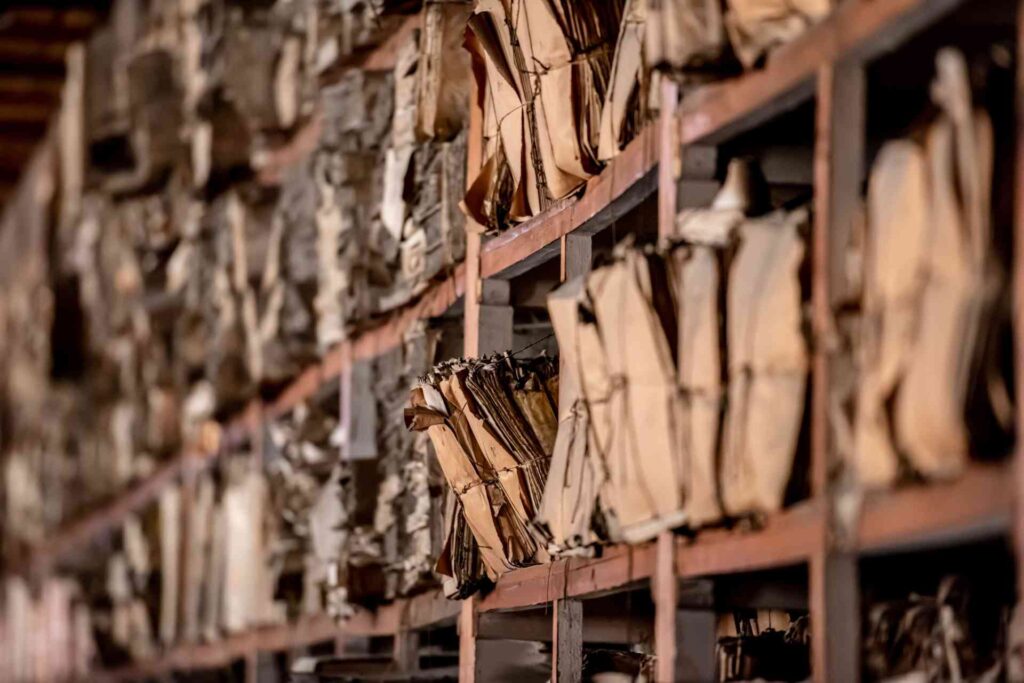
Before the mid-1980s, many commercial umbrella policies were issued without broad pollution exclusions. These contracts were designed to extend protection across multiple types of liability coverage, such as general liability, auto liability, and employer’s liability, and in many cases, that included environmental risks. Today, when contamination from decades past comes to light, these older umbrella policies can provide a vital source of funding. For business owners, this funding can be the difference between surviving a costly environmental remediation order and bearing the expense alone.
The potential recovery available through these historical contracts often outweighs the commercial umbrella insurance cost a company would have paid at the time. For businesses with extensive business operations or significant assets, these older commercial umbrella policies remain one of the most valuable tools for addressing present-day environmental liabilities. To understand their full impact, it helps to see how umbrella policies interact with other layers of historical coverage.
How Commercial Umbrella Insurance Fits Into a Larger Recovery Strategy
Historical umbrella coverage is rarely the only piece of the puzzle when managing environmental liabilities. They often work in tandem with historical CGL policies, excess liability contracts, or even specialty coverage that comes into play. Together, these layers show how commercial umbrella insurance works as part of a broader recovery strategy:
- Commercial general liability: Serves as the primary layer of historical coverage. When triggered, umbrella policies extend these limits or respond if the CGL is exhausted. Many older policies also help fill coverage gaps where general liability limits fall short.
- Umbrella policies: Add higher limits and, in some cases, provide coverage where CGL is missing or incomplete. These layers often serve as extra liability protection when claims exceed what the underlying contracts can handle.
- Excess liability policies and other liability policies: Sit above umbrella coverage, supplying additional funds once both CGL and umbrella limits have been reached.
By combining these policies, businesses can create a meaningful pool of funding for cleanup, defense, and settlement costs. In other situations, when other coverage cannot be located or does not apply, the umbrella policy itself may still respond. Either way, these historical contracts can provide millions of dollars to address today’s environmental liabilities. Of course, before commercial umbrella and related policies can be used together, they first need to be identified and documented through the recovery process.
How Historical Commercial Umbrella Coverage Is Recovered
Uncovering a decades-old commercial umbrella policy is rarely simple. Many original contracts have been lost, insurers may have merged or dissolved, and company records are often incomplete. This is where insurance archaeology becomes critical. By carefully retracing a company’s history, specialists can uncover proof of coverage that still carries legal weight today. Businesses may also work with an experienced insurance agent who understands the process of documenting these older contracts. The recovery process typically unfolds in five stages:
- Identifying the coverage years: Insurance archaeologists begin by examining the site history and timeline of a business’s operations, acquisitions, and site activities to determine when environmental risks may have occurred and how much coverage may apply.
- Mapping potential insurers: They research which carriers or brokers were active during those years, creating a profile of who likely issued the commercial umbrella policies.
- Gathering evidence of coverage: Investigators dig through broker archives, accounting ledgers, corporate minutes, insurance certificates, internal correspondence, and even past litigation records to uncover references to specific policies.
- Reconstructing the contract: Once fragments of proof are found, specialists reconstruct policies by piecing together the limits, exclusions, and “follow form” language to establish how the umbrella policy would provide coverage and any extra coverage it may extend.
- Securing recovery: With policy terms documented, the business can pursue recovery, often unlocking millions of dollars in limits to pay for environmental cleanup, third-party damages, and legal defense, depending on other factors tied to the case.
By following this process, insurance archaeologists transform scattered historical records into actionable coverage. Without this work, businesses risk overlooking a major financial resource that can ease the burden of environmental liabilities. With a clear process for uncovering historical commercial umbrella policies, business owners can then focus on how to prepare for future environmental risks.
Preparing Your Business for the Future
Environmental risks are unpredictable, but businesses can take steps to prepare before a claim arises. Reviewing current commercial umbrella and liability policies helps clarify what exclusions apply today, but just as important is investigating historical coverage. Older umbrella policies can provide the funding needed to cover environmental cleanup, property restoration, and third-party claims. For companies that own business property or manage significant assets, this review is especially critical.
Insurance archaeology turns forgotten policies into real financial assets, giving businesses access to coverage that may still carry legal weight under applicable law. For many owners, this recovered funding can mean the difference between being found liable for environmental damages and having the resources to respond without jeopardizing the business. Companies in higher-risk industries benefit most from taking action early, ensuring that historical umbrella policies are identified before a claim surfaces.
Restorical Research helps uncover and recover these policies so businesses can turn hidden coverage into dollars available for today’s environmental responsibilities. Contact us today to protect your business and secure the coverage you need for tomorrow.