
Southwest Washington Farm
When a buyer found contamination during their feasibility period, an 80‑acre land sale was suddenly at risk of collapsing.
Problem
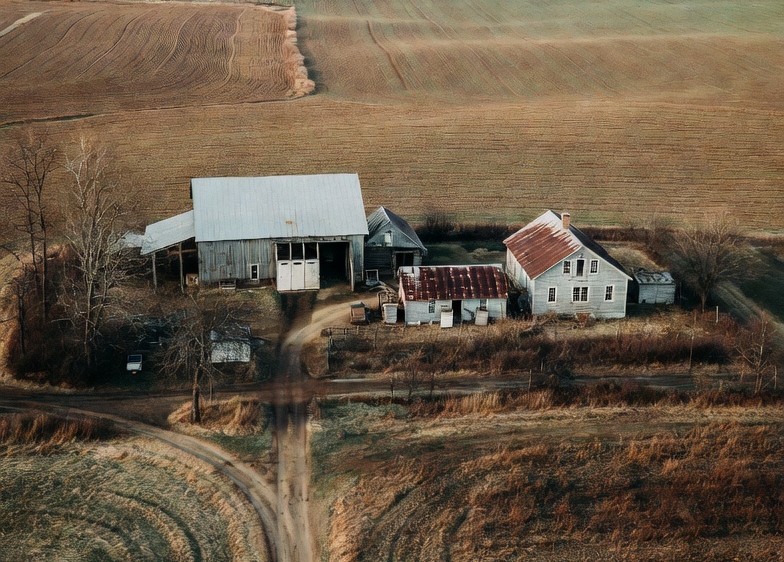
A multi‑generation family farm in Southwest Washington was preparing to sell 80 acres of blueberry fields when environmental due diligence uncovered contamination from old underground storage tanks (USTs). Testing revealed gasoline‑range organics (GRO) and polycyclic aromatic hydrocarbons (PAHs) in both soil and groundwater. The alluvial floodplain’s silty sands allowed dissolved gasoline constituents to migrate widely, while heavier PAHs adhered to soils and the smear zone.
The buyer’s feasibility team projected high cleanup costs, threatening the sale. Making matters worse, the family’s historical insurance records were destroyed in the 2007 Chehalis Flood.
Solution
Restorical began by rebuilding the farm’s insurance history from scratch. Through structured interviews with family members, tertiary evidence, archival materials, and our internal database of specimen forms, we reconstructed the carriers’ policies from the 1970s and1980s.
Once the ‘Big Three Data Set’ was completed, Restorical used that information to create our trigger analysis. The trigger analysis is a key document in underwriting a successful claim, here we were able to align GRO and PAH impacts with the age of the fueling operations and linked to the reconstructed coverage years.
Restorical recommended the family hire an insurance coverage attorney to tender a good‑faith claim.
With client permission, we maintained transparent communication with the buyer throughout the process to preserve trust and keep the transaction moving.
Impact
Within months of tendering the claim, the carrier(s) accepted coverage and began paying the environmental consultants to remediate the contamination. With the carrier(s) funding the cleanup, the financial pressure was removed the equation.
The Sellers received the full sale price without price reduction or escrow hold-backs and the buyers confidently took ownership.
Environmental & Community Benefits
Insurance‑funded remediation protected groundwater resources, managed soil impacts, and provided the buyer with confidence in the property’s long‑term environmental condition. Keeping the sale intact allowed agricultural operations to continue, supporting regional food supply and local jobs.
If feasibility testing has uncovered contamination or if lost historical records stand between you and insurance funding, Restorical can help. We specialize in reconstructing legacy policies, performing trigger analysis, and developing coverage strategies that shift the cost of expensive cleanups to the insurance carriers that insured the property 40+ years ago.