
Environmental insurance is meant to provide peace of mind. Whether you’re redeveloping a brownfield, acquiring a facility with a history of industrial use, or managing an ongoing operation with pollution exposures, the goal is the same: protect your organization from the financial consequences of pollution.
But even the most comprehensive policy has its blind spots. Many property owners and risk managers rely on environmental insurance without fully understanding what it doesn’t cover. And in many cases, the very liabilities they’re trying to insure against—legacy pollution, gradual contamination, or older site activity—are the ones most likely to fall through the cracks.
That’s why understanding both the strengths and limitations of environmental insurance is essential. And it’s also why many organizations are now turning to historical insurance recovery as a way to bridge the gaps that modern policies leave behind.
What Are Environmental Insurance Coverage Gaps?

Environmental pollution insurance is designed to help policyholders manage the financial risks of pollution. These policies typically cover cleanup costs, third-party bodily injury or property damage, and legal defense related to pollution incidents. They’re often used in real estate deals, industrial site operations, and redevelopment projects. Depending on the terms, coverage may apply to newly discovered contamination or sudden and accidental releases, and some policies extend to business interruption or natural resource damage.
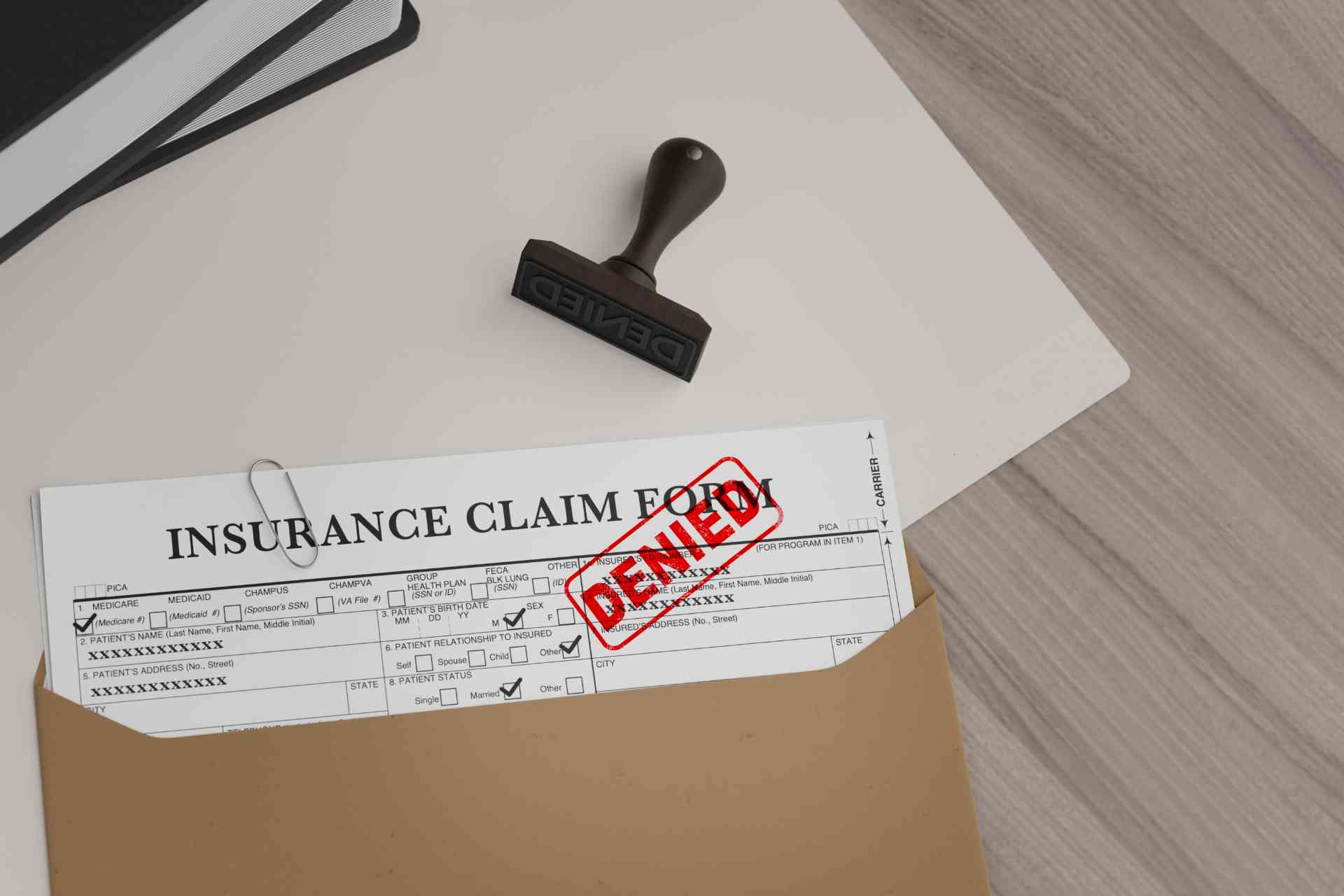
Despite these protections, coverage gaps are common and often costly. Modern environmental policies may exclude known contamination, gradual pollution, or events that occurred before a specific retroactive date. Claims-made policies introduce additional risk, as a missed reporting deadline can result in a denied claim. These limitations can leave property owners and developers with significant environmental liabilities, even when they believed they were insured.
Common Coverage Gaps in Environmental Insurance Policies
While environmental insurance can provide valuable protection, it’s far from foolproof. Many policyholders are surprised to discover that the scenarios they most want protection against are often excluded by design. These limitations aren’t buried in the fine print; they’re built into how modern environmental insurance is underwritten.
Understanding these common gaps is critical for evaluating risk and determining whether additional strategies, such as historical insurance recovery, are necessary to fully protect your investment.
Known or Pre-Existing Conditions
Most environmental insurance solutions explicitly exclude pollution that was known or suspected before the policy’s effective date. This includes contamination disclosed during due diligence, found in environmental site assessments, or otherwise identified by the policyholder before coverage began.
Even if the contamination has not yet been addressed or fully understood, the fact that it was known can be enough for insurers to deny a claim. This creates a significant gap for property owners and buyers who are attempting to insure against cleanup costs they already anticipate or have partially documented at the time the policy is issued.
Gradual or Long-Term Pollution
Modern environmental insurance policies often distinguish between sudden, accidental events and slow, progressive contamination. While many policies will cover an unexpected chemical spill or rupture, they may exclude pollution coverage that occurred gradually over time, such as a slow leak from an underground storage tank or decades of improper waste disposal.
These exclusions can be especially problematic for industrial properties or legacy sites where contamination likely developed over a long period. In these cases, even newly discovered pollution may fall outside the scope of coverage if the release wasn’t abrupt or clearly defined.
Historic Pollution Events
Environmental insurance policies frequently include a retroactive date, usually the policy’s effective date or another date specified by the underwriter. Any pollution event that occurred before this date, even if it was just discovered, is typically excluded from coverage.
This presents a major issue for properties with a long industrial history or undocumented past use. Contamination that originated decades ago, but is only now surfacing during redevelopment or regulatory review, often falls outside the bounds of what a modern policy will cover. Without additional protections in place, property owners are left to shoulder the full financial burden of cleanup.
Policy Triggers and Claims-Made Limitations
Many environmental insurance policies are written on a claims-made basis, meaning coverage only applies if both the pollution event and the resulting claim occur during the policy period or within a narrow extended reporting window. If a claim is filed too late or if the pollution occurred before the policy was active, coverage is often denied.
Generally, broader and even occurrence-based policies can have strict requirements about when and how pollution must be reported. Missing a notification deadline, failing to identify the source clearly, or not meeting the policy’s specific trigger language can all result in a denied claim. These timing constraints make it easy for claims-made and occurrence-based policyholders to unintentionally lose coverage.
Cleanup Cost Cap Pitfalls
Cleanup cost cap (CCC) policies are designed to protect against unexpected cost overruns during remediation, but they often come with narrow triggers and strict eligibility requirements. These policies typically require a well-defined remedial plan and may only activate if costs exceed a predetermined threshold due to unforeseen conditions.
If regulators change cleanup requirements mid-project or if costs rise for reasons not explicitly covered (like inflation or contractor delays) claims may be denied. Additionally, many CCC policies include reopener clauses that allow the insurer to walk away if certain conditions change, leaving policyholders exposed mid-cleanup.
Emerging Contaminants and Specific Pollutant Exclusions
Modern environmental insurance policies often exclude certain high-risk or newly regulated contaminants entirely. Substances like PFAS (per- and polyfluoroalkyl substances), lead-based paint, asbestos, and mold are frequently carved out of coverage, even if they pose significant health and environmental risks.
In some cases, insurers may label these substances as “known risks” or categorize them as falling outside the policy’s pollutant definition. For property owners and developers working on older or industrial sites, these exclusions can lead to major financial exposure, especially as environmental regulations continue to evolve and expand the list of regulated contaminants.
Types of Environmental Liability Insurance and Their Specific Limitations
Environmental insurance isn’t a one-size-fits-all product. Policies are tailored to different risks, stakeholders, and site conditions, but each type has its limitations. It’s essential to understand how these policies work (and where they fall short) when evaluating whether you’re truly protected. Below are the most common types of environmental insurance and the coverage issues that often arise with each.
| Policy Type | What It Covers | Specific Limitations |
| Pollution Legal Liability (PLL) | Covers environmental cleanup, third-party bodily injury or property damage, and legal defense costs tied to pollution events. | Typically excludes known contamination, gradual pollution, and any incidents that occurred before the policy’s retroactive date. |
| Cleanup Cost Cap (CCC) | Offers protection against unexpected cost overruns during a planned environmental remediation project. | Requires detailed remedial planning, and can include narrow triggers or reopener clauses that allow insurers to back out under certain conditions. |
| Site-Specific Environmental Insurance | Customized to insure a specific property or redevelopment project, often negotiated to match unique site risks. | Frequently excludes long-term historical contamination and known issues identified during due diligence. |
| Contractors Pollution Liability (CPL) | Pollution liability insurance that protects contractors from liability arising from their work on-site or during operations. | Often excludes pollution caused by subcontractors, off-site work, or claims related to completed operations. |
| Lender Environmental Insurance | Shields lenders from environmental risks that could reduce the value of their collateral in case of default. | Does not protect the borrower or property owner and rarely covers cleanup costs or third-party claims. |
| Environmental Professional Liability (E&O) | Covers mistakes made by environmental consultants, labs, and engineers during assessments or remediation planning. | Does not insure against actual pollution events—only errors or omissions in professional services. |
| Transporter Pollution Liability | Insures pollution releases that happen while hazardous materials are being transported. | Limited to logistics and transportation activities; doesn’t apply once materials reach a job site or facility. |
| Product Pollution Liability | Provides coverage for pollution caused by defective products, such as leaking containers or faulty parts. | Usually relevant only to manufacturers; not applicable to site owners, buyers, or developers. |
How Historical Insurance Recovery Can Bridge the Gaps

When modern environmental insurance falls short, many organizations overlook one of the most powerful tools available: legacy insurance policies. General liability policies written before the mid-1980s often included coverage for pollution without exclusions for gradual releases, pre-existing contamination, or historic events. These policies were typically written on an occurrence basis, meaning they can still provide coverage today if the pollution event happened during the policy period-even if the claim is made decades later.
That’s where historical insurance recovery comes in. By locating, reconstructing, and validating these old policies, property owners and legal teams can unlock substantial coverage for liabilities that modern insurers won’t touch. Below are four ways this risk management strategy helps close the gaps.
Occurrence-Based Policies Often Cover Environmental Claims That Modern Policies Don’t
Legacy general liability policies, particularly those issued before 1986, were written on an occurrence basis and often had no pollution exclusions. That means if a pollution event occurred during the policy period, the policyholder can still file a claim today, even if the contamination was only recently discovered. These policies are uniquely positioned to cover long-term and historic pollution that modern environmental policies would reject outright.
Coverage for Long-Term, Gradual, and Pre-Existing Pollution
Unlike modern policies that limit coverage to sudden or accidental releases, older occurrence-based policies may cover gradual pollution events or conditions that existed long before they were discovered. They also don’t contain the same exclusions for known contamination, making them a critical funding source when other insurance avenues are closed.
Recovering and Assembling Historical Environmental Coverage
Most policyholders no longer have copies of their decades-old insurance policies-but that doesn’t mean those policies are lost. Insurance archaeologists specialize in reconstructing historical coverage through broker records, accounting ledgers, corporate files, legal documents, and archived correspondence.
Even fragments of information, like an old certificate of insurance or premium invoice, can be used to prove the existence of coverage. Once identified, these policies can be leveraged to fund or recover cleanup costs, support legal defense, or negotiate liability with regulators and third parties.
Why Historical Policy Recovery Should Be Part of Your Environmental Risk Strategy
Environmental insurance is a critical risk management tool, but it’s rarely the complete solution. Modern policies often include exclusions for known contamination, retroactive dates that cut off older events, and strict trigger conditions that limit when coverage applies. These gaps can leave property owners, developers, and legal teams facing major liabilities, even when they believed they were protected. That’s where historical insurance recovery becomes essential. Occurrence-based policies from past decades-especially those issued before pollution exclusions became standard-can still provide valid, enforceable pollution coverage today.
At Restorical, we help clients identify and recover these legacy policies to bridge the gaps modern insurance leaves behind. Whether you’re redeveloping a brownfield site, managing regulatory enforcement, or preparing for a high-stakes transaction, our team can help uncover hidden coverage that could offset millions in liability. Contact us today to explore your historical insurance recovery options.