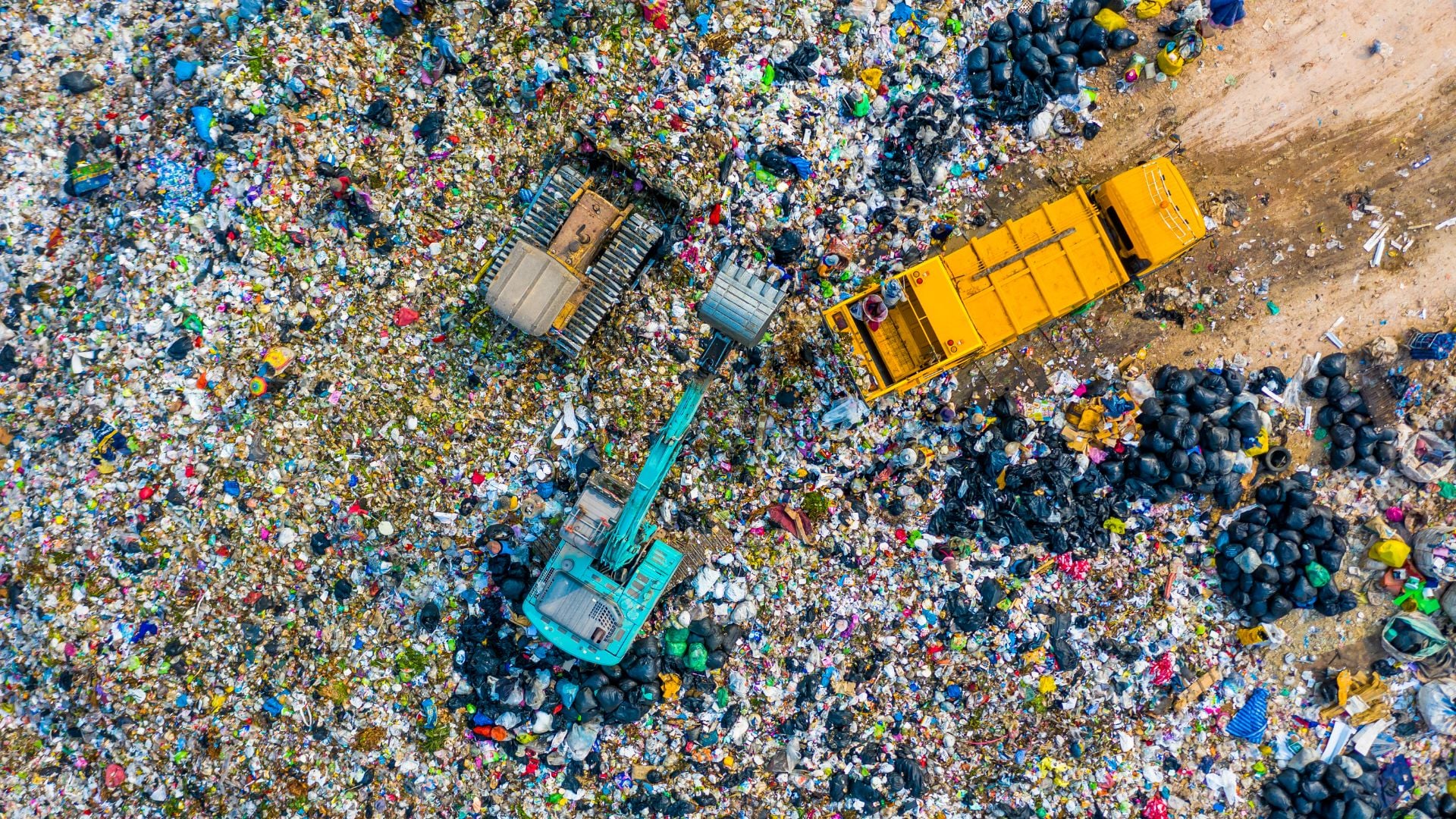
Cradle-to-grave responsibility refers to a company’s legal obligation to reduce its environmental impact by managing hazardous waste safely from the moment it’s generated until its final disposal. Established under U.S. environmental law, this principle ensures that waste is handled, transported, and disposed of in a way that protects human health and the environment, and that the waste generator remains accountable every step of the way.
In this guide, we’ll explain what cradle-to-grave means, how it began, the materials that fall under its scope, and how the hazardous waste lifecycle works in practice. We’ll also look at common compliance failures that lead to long-term liability, how contamination from the pre-regulation era continues to affect businesses today, and how historical insurance recovery can help mitigate cleanup costs.
The Origins of Cradle-to-Grave and What It Means Today
The cradle-to-grave responsibility emerged in the 1970s when improper hazardous waste disposal was a nationwide environmental crisis. Incidents such as open dumping, chemical leaks, and groundwater contamination highlighted the need for stronger federal oversight. In response, Congress passed the Resource Conservation and Recovery Act (RCRA) in 1976, which established a framework for hazardous waste regulations, tracking it from the moment it’s created until its final disposal.
Under RCRA, businesses that generate hazardous waste must ensure that it is handled and disposed of in a way that protects human health and the environment. These regulations shifted industries from reactive cleanup to proactive prevention, holding generators accountable for waste throughout its entire lifecycle.
Today, cradle-to-grave responsibility remains a cornerstone of environmental compliance. It ensures transparency in how waste is managed, creates a verifiable record of each step in the process, and helps prevent the kind of contamination that once plagued industrial and commercial sites across the country. Though technologies and standards have evolved, the underlying goal remains the same: to keep hazardous waste from becoming a future environmental liability.
Hazardous Waste That Falls Under Cradle-to-Grave Responsibility Laws
Not all waste is regulated under cradle-to-grave laws; only materials defined as hazardous substances by the Environmental Protection Agency (EPA). Under the RCRA, a waste is considered hazardous if it poses a potential threat to human health or the environment due to its chemical composition or reactive properties.
To determine whether waste is hazardous, generators must evaluate it using two key criteria. The first is listed wastes, which are materials the EPA specifically identifies as hazardous because they are known to cause harm. The second is characteristic wastes, which exhibit dangerous properties such as ignitability, corrosivity, reactivity, or toxicity. Common examples of materials that fall under cradle-to-grave responsibility laws include:
- Solvents and degreasers used in manufacturing, metal cleaning, and auto repair
- Paints, thinners, and varnishes containing volatile organic compounds (VOCs)
- Acids and caustic solutions used for metal treatment or cleaning processes
- Petroleum products and fuel residues from storage tanks and vehicle maintenance
- Heavy metal sludges containing lead, chromium, or cadmium
- Laboratory chemicals and reagents used in testing or research
- Pesticides and herbicides from agricultural and landscaping operations
- Aerosols and pressurized containers that may ignite or explode under heat or pressure
- Batteries and electronic waste that contain hazardous metals or reactive compounds
- Medical waste, such as sharps, contaminated materials, and pharmaceuticals produced by hospitals, clinics, and laboratories
Industries that frequently generate these materials include manufacturers, hospitals, auto body shops, laboratories, dry cleaners, and construction contractors. Even small quantities can trigger cradle-to-grave obligations, meaning all waste generators must handle, transport, and dispose of hazardous waste in compliance with federal and state laws.
Key Components of the Cradle-to-Grave Process

Cradle-to-grave responsibility requires hazardous waste generation to be managed safely and transparently through every stage of its lifecycle. Each step is designed to protect human health, prevent environmental contamination, and maintain compliance with federal and state regulations.
1. Generation and Identification
The process begins when a business first produces a waste material. Generators must determine whether the waste is classified as hazardous under the RCRA and document its type, volume, and properties. Accurate identification and documentation of hazardous waste generated are critical, as they determine how the waste must be handled and what regulations apply.
Once identified, hazardous waste must be managed with safeguards that prevent leaks, spills, or exposure to workers and the surrounding environment. Proper labeling, container management, and storage practices ensure that risks are minimized from the very start of the waste’s lifecycle.
2. Transportation
When hazardous waste is transported off-site for treatment or disposal, both EPA and Department of Transportation (DOT) regulations apply. Generators must use certified hazardous waste handlers, ensure containers are properly labeled, and maintain secure packaging throughout the journey to prevent releases or accidents.
A detailed manifest system is required to track hazardous waste from its point of origin to its final destination. This documentation provides accountability at each stage of transport, confirming that the waste reaches a properly licensed facility.
3. Treatment and Storage
Hazardous waste must be sent to proper treatment, storage, and disposal facilities (TSDFs) that meet strict safety and operational standards. These facilities are designed to reduce or neutralize harmful components before final disposal, minimizing environmental and health risks. Proper storage practices, such as secondary containment, routine inspections, and employee training, further ensure that waste remains contained and stable during this stage.
4. Final Disposal
The final step in the cradle-to-grave process involves selecting a licensed facility that can handle the waste according to regulatory requirements. Approved disposal methods may include secure landfills, incineration, or chemical treatment designed to render the material harmless. Generators are responsible for verifying that the waste reaches its ultimate disposal destination without incident and that disposal records are retained for compliance documentation.
Common Compliance Failures That Lead to Long-Term Liability
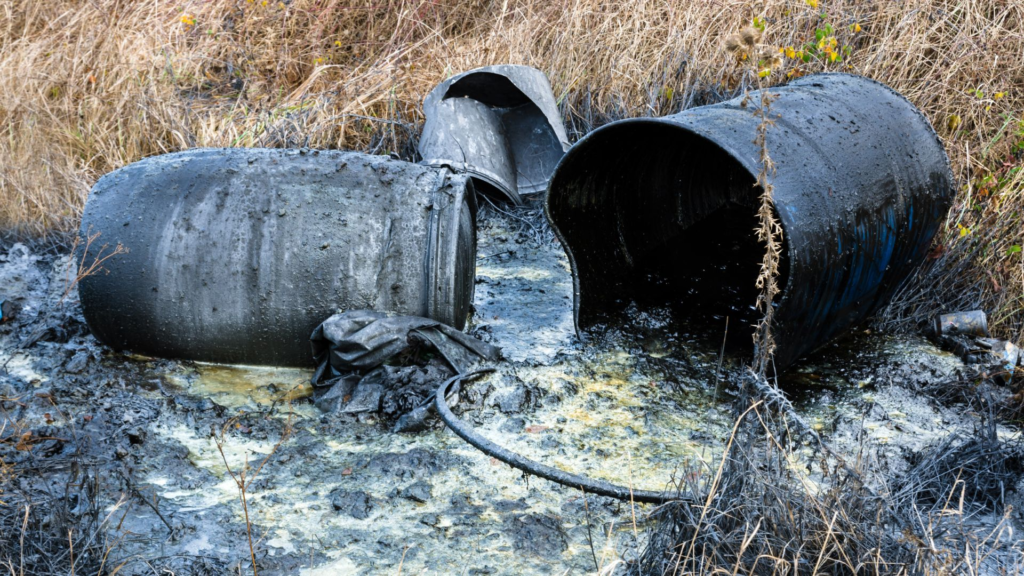
Even with strict regulations in place, hazardous waste management errors remain one of the leading causes of environmental contamination and long-term liability for businesses. Cradle-to-grave responsibility means that any misstep can expose a company to enforcement actions, cleanup costs, legal consequences, or reputational harm. The following are some of the most common compliance failures seen under RCRA regulations:
- Improper classification of waste: Failing to correctly identify a material as hazardous or neglecting to test for characteristics like ignitability, corrosivity, or toxicity can lead to illegal disposal and severe penalties.
- Improper handling and storage: Using damaged or incompatible containers, neglecting labels, or skipping inspections can cause leaks or spills that endanger both the environment and workers.
- Unverified transporters and disposal facilities: Generators are responsible for ensuring that carriers and disposal sites are licensed and compliant. If a third-party mishandles waste, the generator can still be held liable.
- Illegal dumping: Disposing of hazardous materials outside authorized facilities, whether intentional or due to negligence, can result in major fines, cleanup costs, and even criminal charges.
- Failure to document: Missing manifests or incomplete tracking records prevent proof of compliance and create exposure during audits or investigations. Documentation must track waste from generation through final disposal.
- Failure to train employees: RCRA requires that personnel involved in waste handling receive proper training. Inadequate training can lead to labeling errors, spills, and noncompliance during inspections.
- Improper emergency preparedness: Lacking contingency plans, spill kits, or emergency response procedures can worsen incidents and result in higher regulatory penalties.
When Cradle-to-Grave Didn’t Exist: Historical Contamination and Modern Liability

Before the RCRA established cradle-to-grave responsibility, businesses operated under few, if any, federal requirements to control hazardous waste. Once routine disposal practices, such as dumping solvents, fuels, or industrial byproducts into unlined pits or nearby waterways, have since proven to be major sources of soil and groundwater contamination.
Many of these legacy practices occurred decades ago, long before today’s environmental standards existed. Yet under the Comprehensive Environmental Response, Compensation, and Liability Act (CERCLA), primary responsibility for cleanup often extends to the present. Property owners, corporate successors, or anyone linked to historical operations can be held financially liable for contamination, even if they did not cause it directly.
This retroactive liability means that modern property owners frequently discover pollution linked to former industrial or commercial uses of their land. Old gas stations, dry cleaners, manufacturing sites, and auto repair shops are among the most common examples. In these cases, cleanup is mandatory, and costs can reach hundreds of thousands or even millions of dollars, depending on the extent of the contamination.
Understanding how environmental laws evolved helps explain why so many businesses and property owners face unexpected environmental liabilities. It also highlights why identifying historical coverage and documentation from earlier decades is often essential to recovering the funds needed for remediation.
How Historical Insurance Recovery Helps Manage Legacy Contamination

When contamination is discovered from operations that took place decades ago, cleanup is often unavoidable, but the financial burden doesn’t have to fall solely on the current owner. In many cases, historical insurance coverage can help offset the high costs of remediation. This is where insurance archaeology becomes an essential tool.
Before the mid-1980s, most commercial general liability (CGL) insurance policies included coverage for pollution-related incidents. These policies were typically written on an “occurrence” basis, meaning they can still provide coverage today if the pollution occurred during the policy period, even if the damage was discovered years later. The challenge is that many of these older policies have been lost, destroyed, or forgotten as companies merged, relocated, or changed ownership.
Insurance archaeology is the process of locating, reconstructing, and interpreting these missing or incomplete policies to determine whether coverage exists. For businesses or property owners dealing with historical contamination, this process can mean the difference between a fully funded cleanup and a devastating financial loss.
Take Control of Liabilities Created Before Cradle-to-Grave Responsibility
Decades before cradle-to-grave laws were established, hazardous waste was often discarded without oversight. Those outdated practices have left behind contamination that many modern property owners and businesses are now responsible for cleaning up. Even if your organization played no role in the original disposal, today’s environmental laws can still hold you financially liable for remediation.
When legacy contamination is discovered, taking control of the situation starts with identifying any historical insurance coverage that may still apply. Older CGL policies often contain pollution coverage, and recovering those funds can significantly reduce the financial burden of cleanup.
If your business or property has been affected by historical contamination, contact Restorical Research. Our team specializes in uncovering and interpreting decades-old insurance policies that can help you meet cleanup obligations, recover costs, and manage liabilities created before cradle-to-grave responsibility existed.