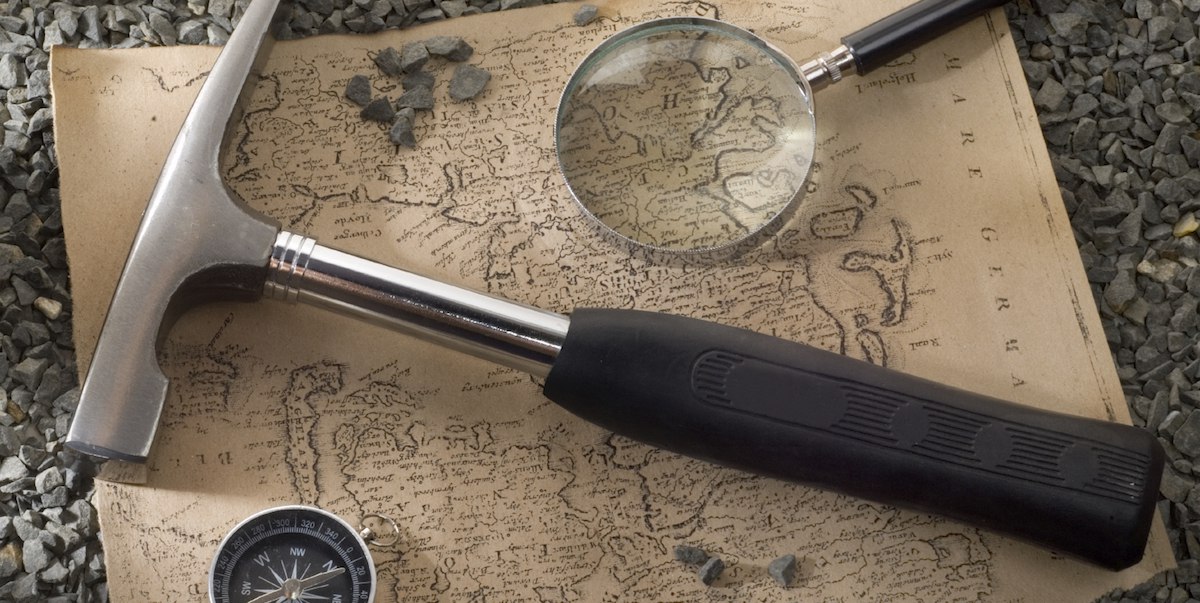
Insurance archaeology is the process of uncovering old insurance policies that may still provide coverage for modern-day claims. Over time, many businesses lose records of past insurance policies through relocation, corporate changes, or document destruction.
When issues like environmental contamination, product-related injuries, or other long-tail impacts surface years later, those missing policies can become crucial.
By reconstructing a company’s historical insurance portfolio, sometimes spanning decades, insurance archaeologists help determine what coverage exists and how it can be used to manage financial and legal liability today.
The Lasting Value of Historical Insurance Coverage
Historical insurance policies can hold significant financial value when companies face liabilities that reach back decades. Many early general liability policies, often called “slip and fall” policies, were issued before modern pollution exclusions existed. These older policies may still cover long-tail claims involving pollution, product defects, or other delayed impacts.
Yet these policies are often difficult to find and get lost for many reasons. Changes in policies, business relocations, mergers and acquisitions, and personnel changes can let some paperwork fall through the proverbial cracks. Bundled insurance packages may include coverages that a company might not realize they paid for. Purging decades-old documents might mean valuable insurance information is discarded. Mergers and acquisitions within the insurance industry can also muddy the waters as coverages are tweaked, brokers come and go, and company names change.
Insurance archaeology is all about digging through these changes to find what coverages were in place in the past and which coverages are in effect today. When recovered and verified, these policies can help fund environmental cleanup, settlements, and legal defense costs that would otherwise come out of a company’s pocket.
What Do Insurance Archaeologists Do?

Insurance archaeologists help organizations identify and evaluate historical insurance coverage that may still respond to present-day liabilities. Their work focuses on locating missing or incomplete insurance records, understanding how past policies were structured, and determining whether coverage may apply to long-tail claims that arise years or decades after the original policy period.
The discipline sits at the intersection of historical research, insurance coverage analysis, and documentation review. Insurance archaeologists commonly work alongside attorneys, environmental consultants, accountants, or risk managers to provide factual support for coverage evaluations and recovery efforts. The scope of involvement varies depending on the nature of the liability, the quality of available records, and the role insurance archaeology plays within a broader legal, regulatory, or transactional strategy.
The specific services offered vary by firm and engagement, and not every project includes all of the activities below. In general, insurance archaeology work commonly involves the following areas.
| Service Area | General Description |
|---|---|
| Historical policy research | Searching corporate records, public archives, broker files, and insurer records to locate evidence of past insurance policies. |
| Policy verification | Confirming policy periods, insurers, coverage types, and basic terms when complete policies are unavailable or incomplete. |
| Policy reconstruction support | Assembling secondary evidence to document the likely existence and terms of missing or incomplete insurance policies. |
| Coverage timeline development | Creating timelines that align historical operations, ownership, or events with potential policy years. |
In most engagements, insurance archaeologists focus on only locating policy evidence, while some firms may offer broader analysis and documentation depending on the complexity of the liability and the needs of the parties involved. Across all engagements, the unifying goal of insurance archaeology is to turn fragmented historical insurance information into usable insight that helps organizations understand and manage legacy risk.
How Insurance Archaeology Work Is Conducted
Insurance archaeology does not follow a single fixed model. The work varies depending on the age of the operations involved, the nature of the liability, and the availability of historical records. Some engagements are narrow and document-driven, while others require broader research and evaluation. In general, insurance archaeology work involves several core areas of activity.
Historical Review and Scoping
Work typically begins with gaining an understanding of the property, company, or operations involved and the liability issue prompting the review. Identifying relevant time periods, ownership history, and operational changes helps define the scope of research. Even partial documentation can provide useful starting points for identifying potential insurance evidence.
Archival and Documentary Research
Research is conducted using corporate records, public archives, broker files, insurer documentation, and other historical sources. This research may include tracing prior owners, operators, insurers, or brokers connected to the property or business. The goal is to locate evidence of policy existence, coverage periods, carriers, and related documentation, even when complete policies are no longer available.
Evaluation of Historical Coverage
When evidence of insurance policies is identified, it is reviewed in the context of the liability at issue. This evaluation considers the general structure of policies issued during the relevant time period and how they may respond to long-tail claims. Where documentation is incomplete, conclusions are based on available evidence and industry context rather than certainty.
Organization and Use of Findings
Research findings are organized into documentation that clearly summarizes policy evidence and relevant timelines. Depending on the purpose of the engagement, this information may be used to support insurance tenders, negotiations, due diligence, or legal review. In some matters, additional research may be required as new information becomes available or as claims or transactions progress.
Across engagements, the objective remains consistent: identifying and organizing historical insurance information so organizations can better understand potential coverage and manage legacy risk.
Who Uses Insurance Archaeology?
The obvious need for insurance archaeology comes when someone files a lawsuit for a long-hidden impact. This might bring to mind several high-profile lawsuits around products like asbestos, thalidomide, and L-tryptophan, but any number of smaller and less life-threatening long-term effects may be involved. A business facing such a lawsuit may rely on insurance archaeology to understand the full extent of its financial liability and what policies it had in place, sometimes decades into the past.
Industrial real estate sales, too, are a common beneficiary of insurance archaeology. Environmental studies can reveal contamination left by previous businesses, such as dry cleaners and factories. In such cases, insurance archaeology doesn’t focus on the liability coverage of a single business but on the historical insurance coverage of a plot of land. Previous owners may be liable for contamination, so current sellers, who may also be joint and severally liable, need to understand not only their own historical insurance portfolio, but the policies of those businesses that used the land before them.
Insurance archaeology may uncover old policies that could pay for the costs of the environmental study, site cleanup, or legal settlements that the company might otherwise be responsible for.
Where Insurance Archaeology Is Used
Insurance archaeology serves many purposes, and a very common role today is helping organizations address environmental liabilities.
Environmental Applications of Insurance Archaeology
Environmental projects are a large portion of insurance archaeology work. When contamination is discovered, old CGL policies often provide the only financial resource available for cleanup. The following industries and property types commonly rely on insurance archaeology to recover coverage and fund remediation:
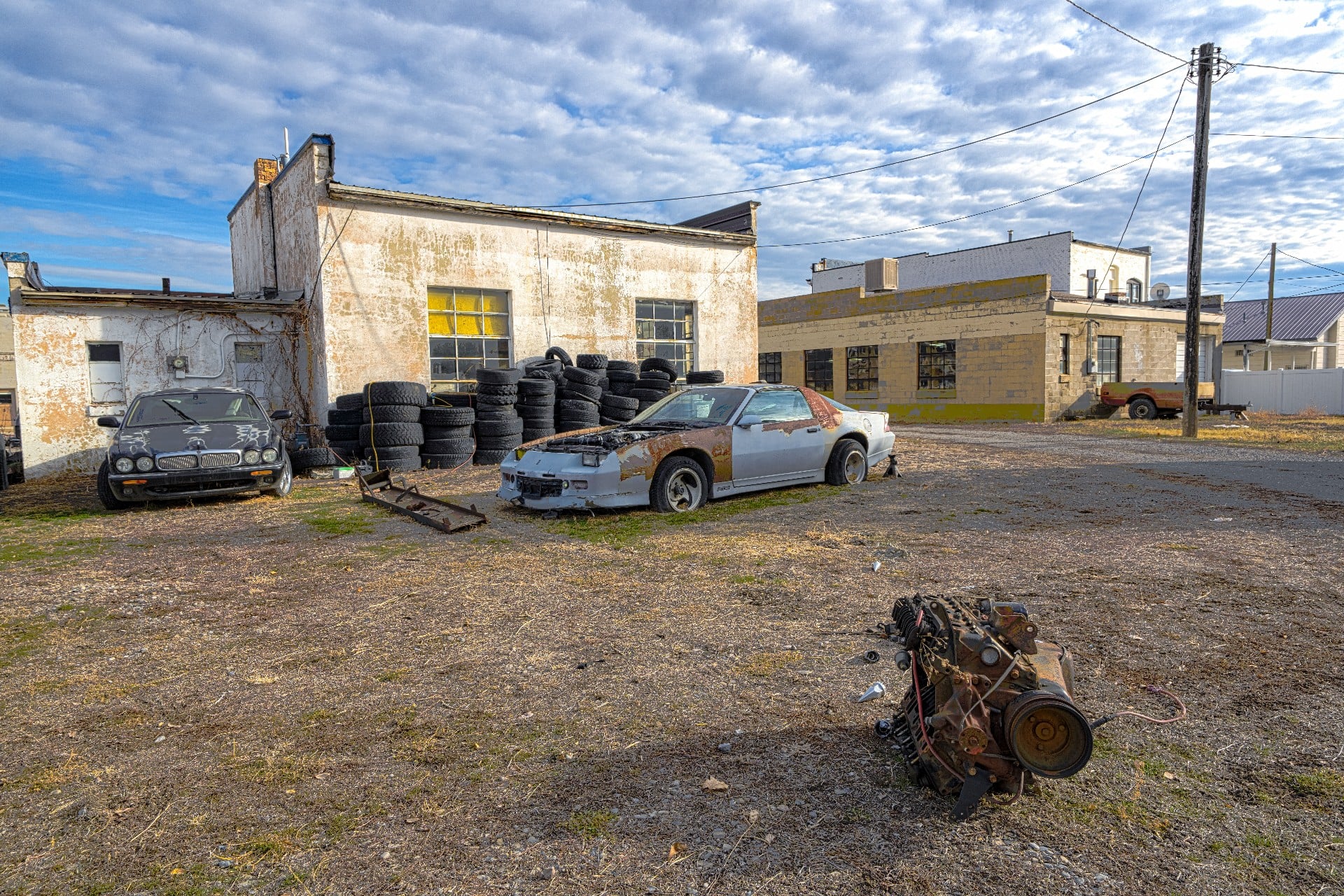
- Auto body and repair shops: Petroleum, solvents, and paint thinners can lead to long-term soil and groundwater contamination. Historical insurance policies can help fund site cleanup and regulatory closure.
- Breweries: Cleaning agents, chemical storage, and wastewater discharge may create environmental concerns that require using historical insurance coverage to pay for remediation.
- Brownfield properties: Vacant or underused industrial sites often hide legacy contamination. Insurance archaeology helps property owners or developers secure funding for redevelopment.
- Bulk plant facilities: Storage and transfer of petroleum products frequently result in leaks or spills. Old coverage can offset cleanup costs and protect property value.
- Bus barns and vehicle depots: Fueling areas, maintenance pits, and solvents can leave contamination that requires insurance-funded remediation before sale or redevelopment.
- Car dealerships: Historical use of underground storage tanks and repair operations can trigger environmental obligations that insurance archaeology helps address.
- Dry cleaners: One of the most frequent sources of chlorinated solvent contamination, dry cleaning sites depend on recovered insurance coverage to pay for cleanup.
- Farming and agriculture: Fertilizers, pesticides, and fuel storage can contaminate soil and water. Insurance archaeology helps offset the cost of environmental response actions.
- Gas stations: Leaking underground tanks and historical fuel spills are common. Old insurance policies can pay for excavation, soil treatment, and monitoring.
- Industrial and manufacturing sites: Decades of production can leave behind hazardous materials or chemical residues. Insurance recovery often funds remediation and regulatory compliance.
- Landfills: Both public and private landfill owners use historical coverage to pay for closure, post-closure monitoring, and groundwater protection.
- Waterfront and maritime facilities: Shipyards, docks, and marine terminals face contamination from petroleum, paint, and metals. Historical policies can help manage cleanup of sediments and adjacent land.
- Redevelopment projects: Developers and municipalities often inherit contaminated properties. Insurance archaeology can turn old coverage into a funding source that makes redevelopment financially feasible.
- Residential properties: Homeowners sometimes discover contamination from heating oil tanks, septic systems, or neighboring industrial sites. Historical coverage can reduce the cost of cleanup and restoration.
In each case, insurance archaeology allows property owners, developers, municipalities, and other stakeholders to transform historical liability into financial recovery, making environmental remediation achievable. These represent some of the most common scenarios where environmental insurance archaeology is applied, but they are not a complete list. Any site with potential legacy contamination, from small commercial properties to large industrial operations, may benefit from identifying and recovering historical coverage.
Other Applications of Insurance Archaeology
Although environmental cleanup drives much of today’s insurance archaeology work, it can be used in many other long-tail liability situations. Whenever past operations, products, or ownership changes create financial exposure, locating and reconstructing historical coverage can provide a path to resolution. Common non-environmental applications include:
- Product liability and toxic tort claims: Manufacturers and distributors of historical products may face chemical exposure, pharmaceuticals, or asbestos claims decades later.
- Construction and workplace injury cases: Contractors and industrial employers sometimes encounter claims involving old projects or exposure to hazardous materials.
- Corporate mergers, acquisitions, and bankruptcies: When companies merge or reorganize, they often inherit unknown liabilities.
- Fiduciary and trust management: Trustees and estate managers use insurance archaeology to protect assets when properties or businesses held in trust face historical contamination or injury claims.
- Litigation support and expert documentation: Attorneys working on coverage disputes, recovery actions, or bankruptcy proceedings use insurance archaeologists to document policy evidence, verify insurer lineage, and support expert testimony.
These non-environmental applications fall outside Restorical Research’s scope. For product liability, construction injury, corporate transaction, and other non-environmental insurance archaeology needs, Restorical’s sister company, RM Fields, specializes in those engagements.
Working With Restorical Research
Insurance archaeology is a specialized discipline, and the quality of work can vary significantly depending on experience, methodology, and independence. Identifying historical insurance coverage requires careful research, sound judgment, and a clear understanding of how legacy policies intersect with modern environmental, legal, and transactional issues. Many firms can locate old insurance policies, and some may assist with claims management. However, most of those firms work for both policyholders and insurance companies, and some act as outsourced claims departments for carriers.
We operate differently. At Restorical Research, we work exclusively for policyholders, property owners, and public entities, and we never work for insurance companies. We do not provide insurer services, carrier subrogation, or shared long-tail exposure programs. We are not owned by an insurance company and have no financial relationships with insurers. This structure allows us to remain fully independent and aligned with the interests of our clients. When negotiations become complex or contentious, our clients never question where our loyalty lies.
Our work is tailored to the specific history, records, and risk profile of each property or organization. We collaborate with attorneys, environmental consultants, accountants, and other professionals to ensure that historical insurance findings can be used effectively within broader legal, regulatory, or redevelopment strategies. If your company, property, or municipality is managing legacy risk tied to past operations or ownership, contact us today to discuss your project and learn how historical insurance coverage may help fund cleanup and reduce exposure to the costs of the past.