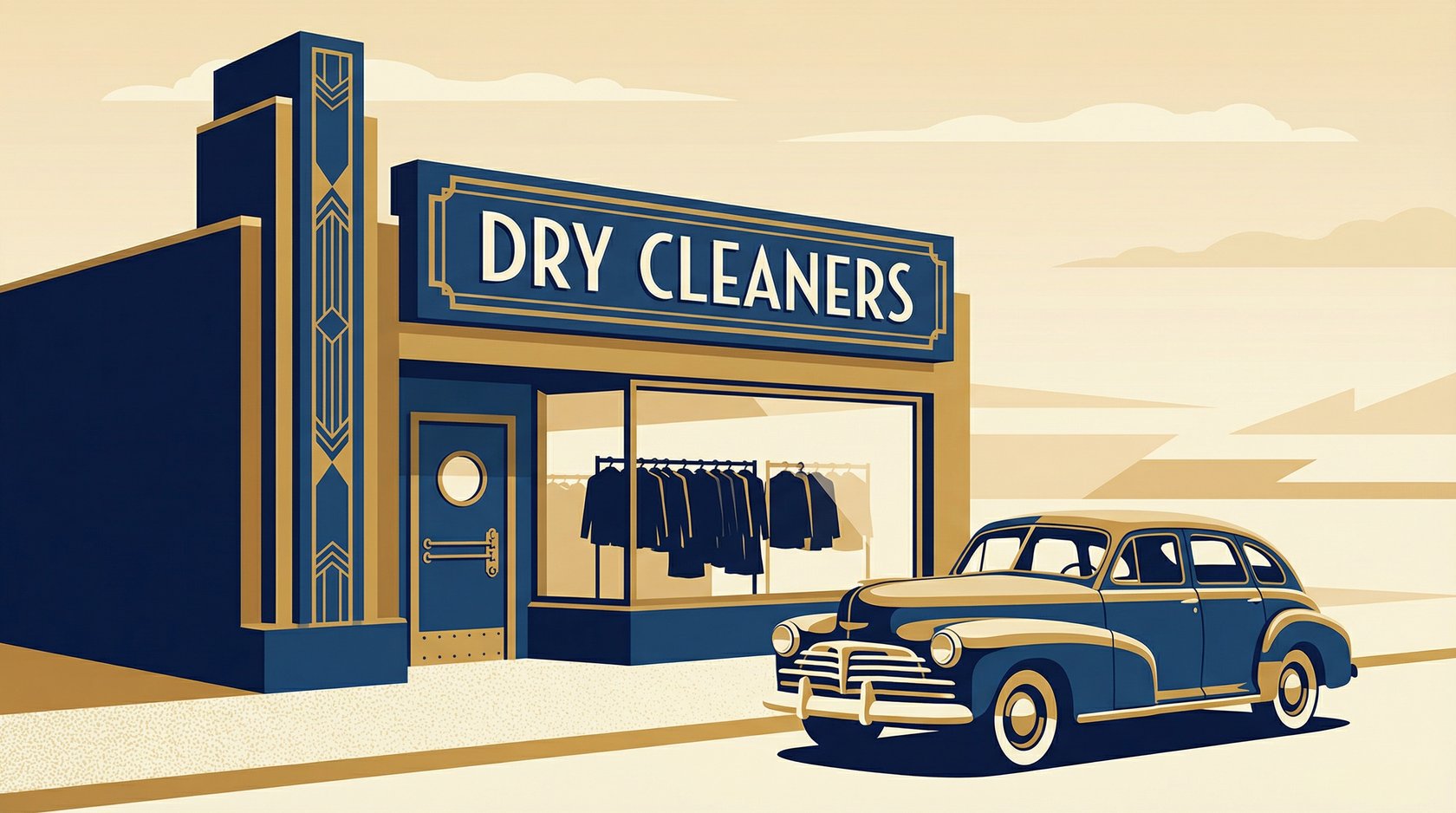

This property has a documented history as a dry cleaning facility going back to 1910. Historical insurance policies issued during those prior operations and through 1986 could help fund the multi-phase investigation and remediation work ahead under Wisconsin DNR oversight.
This property hosted industrial manufacturing and dry-cleaning operations from at least 1910 through the 1970s, as confirmed by Sanborn fire insurance maps from 1948 and 1956 and a Phase I Environmental Site Assessment. Volatile organic compounds (VOCs) and metals consistent with decades of dry-cleaning and manufacturing activity have been identified, and a Phase II investigation detected benzene above Wisconsin NR 140 Preventive Action Limits in groundwater at three of four monitoring wells. Groundwater flows toward the Menominee River, indicating continued off-site migration potential, and the site remains an active Wisconsin DNR Environmental Remediation Program case. That history could support an insurance coverage claim against the carriers who issued policies more than 40 years ago — coverage that could help fund the cleanup ahead.
Why Historical Insurance Policies May Be Accessible
Pre-1986 Commercial General Liability (CGL) policies were occurrence-based and did not contain an effective pollution exclusion in Wisconsin — and those policies may provide coverage that remains enforceable today. If contamination occurred while those policies were active, those historical insurance carriers may still have a legal obligation to fund the cleanup costs, even if the business closed or the property changed hands.
Industrial and dry-cleaning operations at this property began more than seven decades before 1986, with contamination attributable to manufacturing and solvent use spanning much of the twentieth century. The ongoing groundwater investigation, monitoring, and remediation work required to address VOC and metals contamination and protect the Menominee River corridor represent future costs that those pre-1986 carriers may be obligated to fund.
Restorical's role is to locate viable historical policies, determine whether a successful coverage claim is possible, and assist our clients and their legal counsel to obtain insurance coverage. Restorical then manages the claim, including accounting, to ensure the cleanup is funded in a timely manner.
What We Look For
- Historical insurance policies (pre-1986)
- Policy numbers, carrier names, and coverage periods
- Connection between contamination timing and policy period
- Evidence linking cleanup obligation to insured activity
What We Deliver
- Historical Coverage Chart
- Trigger Analysis & Property/Policy Nexus
- Coverage strategy with recommendations
- Insurance funding for your remediation
- Claims Management
The Restorical Proven Process
Stay up to date on environmental property cleanup laws and changes.
Report Email Updates
Request more information on this property
Contact UsThis analysis is preliminary and based on publicly available records. Restorical Research is not a law firm and does not provide legal advice.