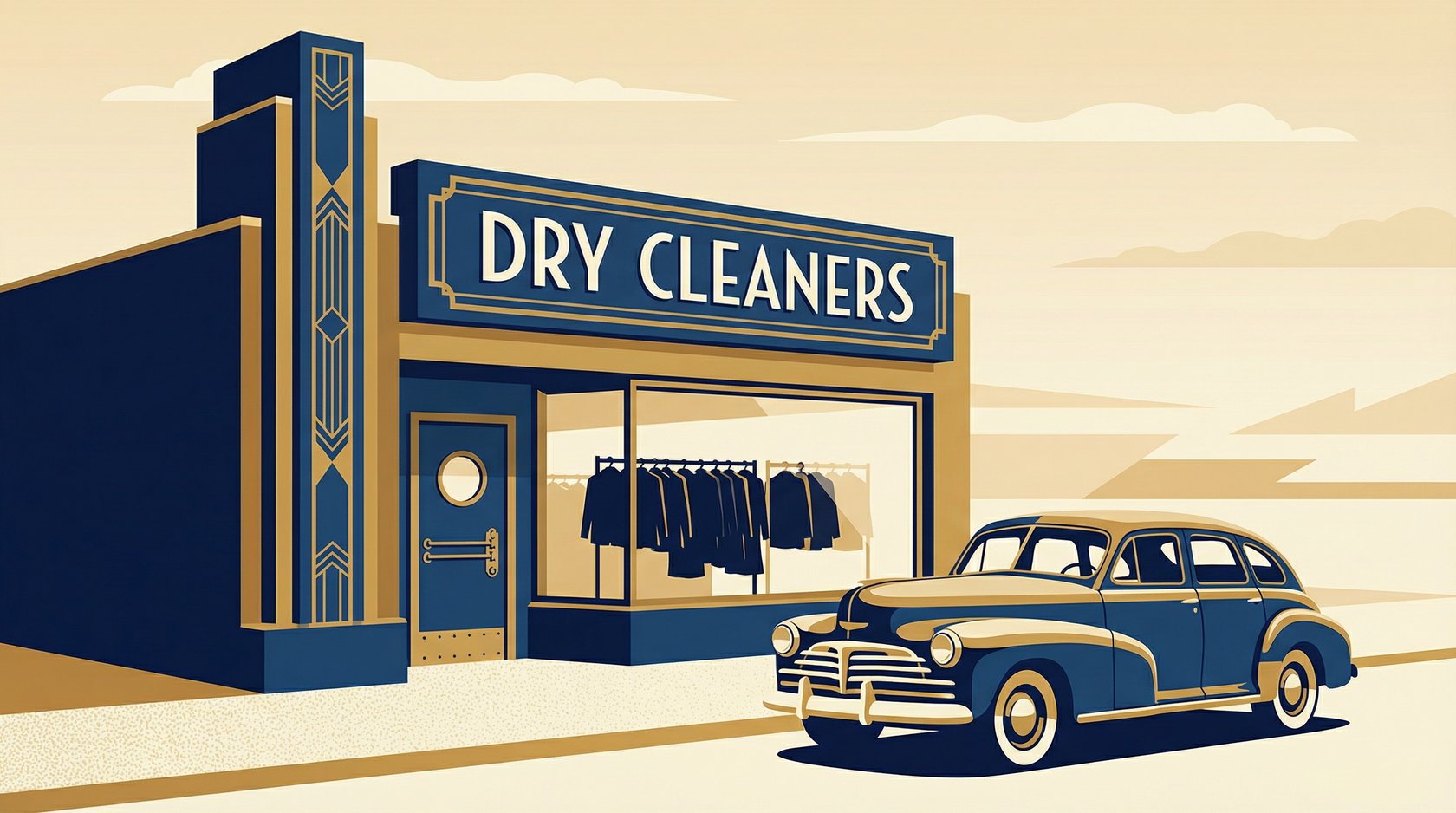
This property has a documented history as a dry cleaning facility going back to 1956. Historical insurance policies issued during those prior operations and through 1986 could help fund the ongoing and future cleanup under Oregon DEQ oversight.
Ken's Dry Cleaning operated continuously as a dry cleaner since 1956 — first at an adjacent property through 1981, then at the subject site until approximately 2018 — releasing tetrachloroethylene (PCE) into soil, groundwater, and soil gas over decades of use. Monitoring wells and vapor intrusion assessments have confirmed chlorinated solvent contamination in groundwater, indoor air, and soil gas, with PCE concentrations in soil gas reaching 4,300 µg/m³ and degradation products including TCE, DCE, and vinyl chloride detected beneath and beyond the property. Oregon DEQ continues to direct investigation work under active project oversight, including vapor intrusion assessment at neighboring occupied buildings such as a Cricket Wireless store and properties west of Dee Street, and no remediation completion or No Further Action determination has been reached. That history could support an insurance coverage claim against the carriers who issued policies more than 40 years ago — coverage that could help fund the cleanup ahead.
Why Historical Insurance Policies May Be Accessible
Pre-1986 Commercial General Liability (CGL) policies were occurrence-based and did not contain an effective pollution exclusion in Oregon — and those policies may provide coverage that remains enforceable today. If contamination occurred while those policies were active, those historical insurance carriers may still have a legal obligation to fund the cleanup costs, even if the business closed or the property changed hands.
The PCE contamination at this property originated from dry-cleaning operations that began in 1956 — first at an adjacent location through 1981, then at this site through approximately 2018 — with contaminating releases spanning three decades before 1986. Following the March 2024 liquidation of the insurer that had been funding the site investigation, the remaining work directed by Oregon DEQ — including vapor intrusion assessment at neighboring occupied buildings, further investigation, and remediation — represents cleanup costs this property still faces that historical pre-1986 carriers may be obligated to fund.
Restorical's role is to locate viable historical policies, determine whether a successful coverage claim is possible, and assist our clients and their legal counsel to obtain insurance coverage. Restorical then manages the claim, including accounting, to ensure the cleanup is funded in a timely manner.
What We Look For
- Historical insurance policies (pre-1986)
- Policy numbers, carrier names, and coverage periods
- Connection between contamination timing and policy period
- Evidence linking cleanup obligation to insured activity
What We Deliver
- Historical Coverage Chart
- Trigger Analysis & Property/Policy Nexus
- Coverage strategy with recommendations
- Insurance funding for your remediation
- Claims Management
The Restorical Proven Process
Stay up to date on environmental property cleanup laws and changes.
Report Email Updates
Request more information on this property
Contact UsThis analysis is preliminary and based on publicly available records. Restorical Research is not a law firm and does not provide legal advice.