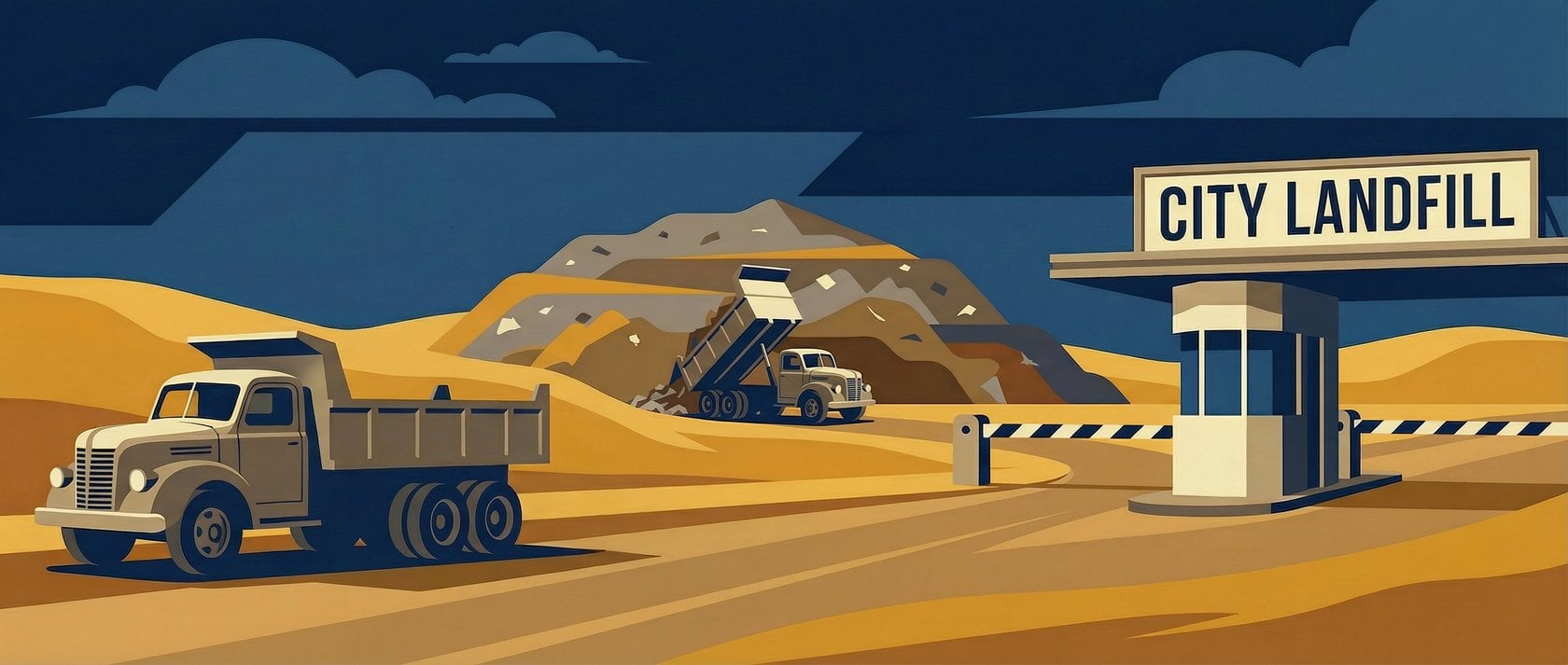
This property has a documented history as a landfill going back to 1958. Historical insurance policies issued during those prior operations and through 1986 could fund a cleanup.
The Alger Dump operated as a county-run municipal landfill from the late 1950s through 1975, situated in a former Washington Department of Transportation gravel pit just east of the town of Alger in Skagit County. The facility served a rural population, accepting household garbage; open burning of waste continued on-site until 1969, after which material was landfilled until closure. Closure in 1975 consisted of placing approximately two feet of soil over the landfill surface, and site investigation and sampling have since identified contamination attributable to those historical operations; no active remediation has commenced. That history could support an insurance cost recovery claim against carriers who issued insurance policies 40+ years ago.
Why Historical Insurance Policies May Be Accessible
Pre-1986 Commercial General Liability (CGL) policies were occurrence-based and did not contain an effective pollution exclusion in Washington. If contamination occurred while those policies were active, those historical insurance carriers may still have a legal obligation to fund the cleanup costs, even if the business closed or the property changed hands.
The primary contaminants at the Alger Dump — cadmium, arsenic, lead, and benzo(b)fluoranthene — are attributed to landfill operations that ran for nearly two decades before the facility closed in 1975, more than a decade before 1986. County and municipal liability policies in force during those operational years were occurrence-based and carried no effective pollution exclusion, leaving historical carriers potentially obligated to fund the cleanup costs the responsible party now faces. The investigation phase is complete; the remediation expenditures ahead represent precisely the category of forward-looking environmental liability that pre-1986 CGL policies may be compelled to cover.
Restorical's role is to locate viable historical policies, determine whether a successful coverage claim is possible, and assist our clients and their legal counsel to obtain insurance coverage. Restorical then manages the claim, including accounting, to ensure the cleanup is funded in a timely manner.
What We Look For
- Historical insurance policies (pre-1986)
- Policy numbers, carrier names, and coverage periods
- Connection between contamination timing and policy period
- Evidence linking cleanup obligation to insured activity
What We Deliver
- Historical Coverage Chart
- Trigger Analysis & Property/Policy Nexus
- Coverage strategy with recommendations
- Insurance funding for your remediation
- Claims Management & Forensic Accounting
The Restorical Proven Process
Ready to learn more?
Contact UsThis analysis is preliminary and based on publicly available records. Restorical Research is not a law firm and does not provide legal advice.